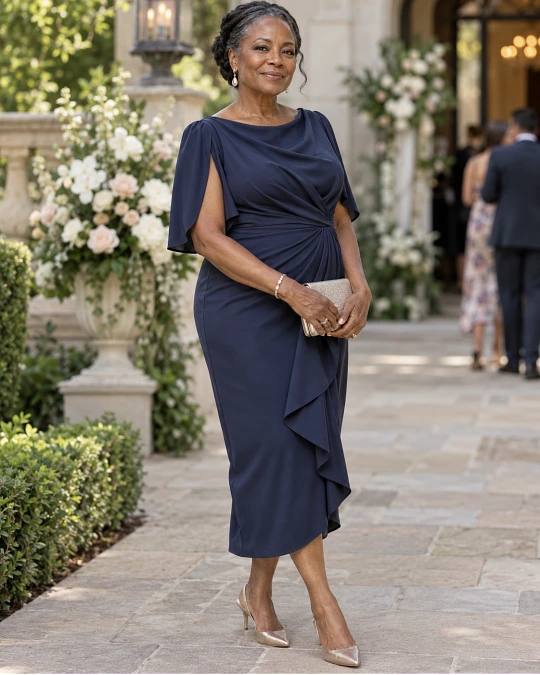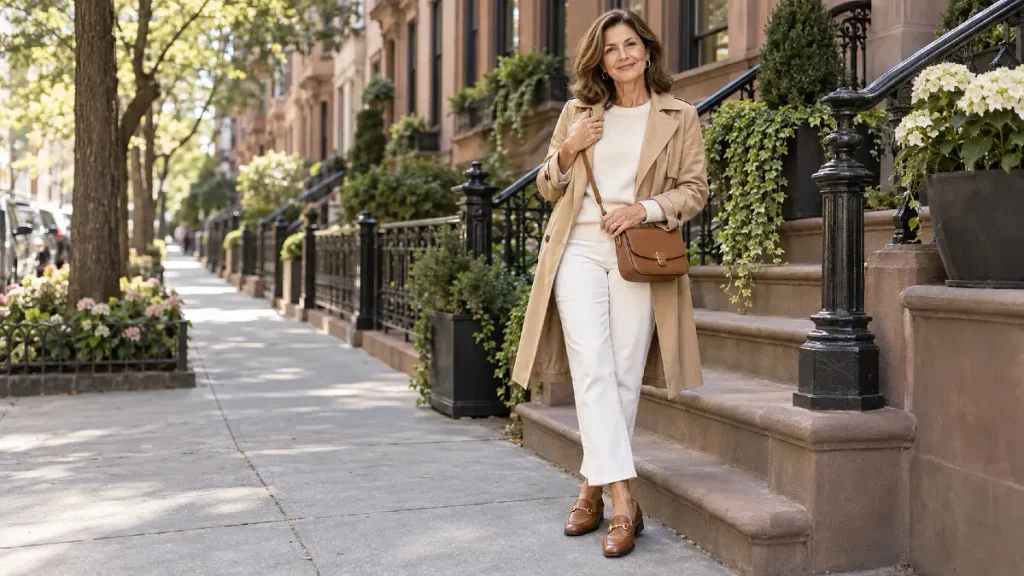
If you want to look younger after 50, you do not need to dress like a teenager or completely replace your wardrobe. A fresh appearance usually comes from small changes that make your clothes feel lighter, cleaner, and more current.
Sometimes an outfit can be perfectly respectable but still feel older than you intended. The reason may be the proportions, fabric, shoes, color placement, or simply the way several pieces are styled together.
The good news is that you can make a noticeable difference without chasing every fashion trend. A few thoughtful adjustments can help your existing wardrobe look more polished while still feeling comfortable and authentic.
The goal is not to hide your age. It is to create outfits that reflect who you are now and make getting dressed feel easy again.
Looking Younger Is More About Looking Current Than Looking Young
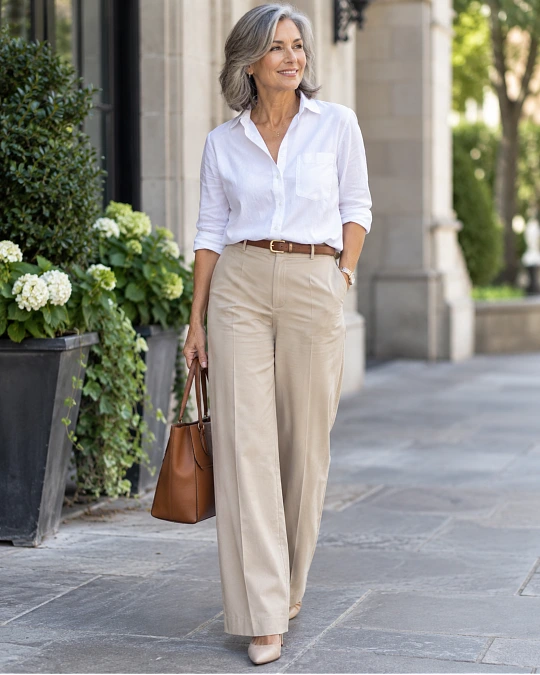
One of the easiest ways to look younger after 50 is to focus on looking current rather than trying to look young. Wearing clothing designed for a much younger age group can sometimes feel less natural than simply updating the way you wear familiar pieces.
Current style is often about small differences in shape and proportion. A straight-leg jean can feel more modern than an extremely skinny pair, while a relaxed jacket can create a softer appearance than a very structured blazer.
You do not need to follow every trend. Instead, look for simple updates that work with your existing wardrobe and suit your lifestyle.
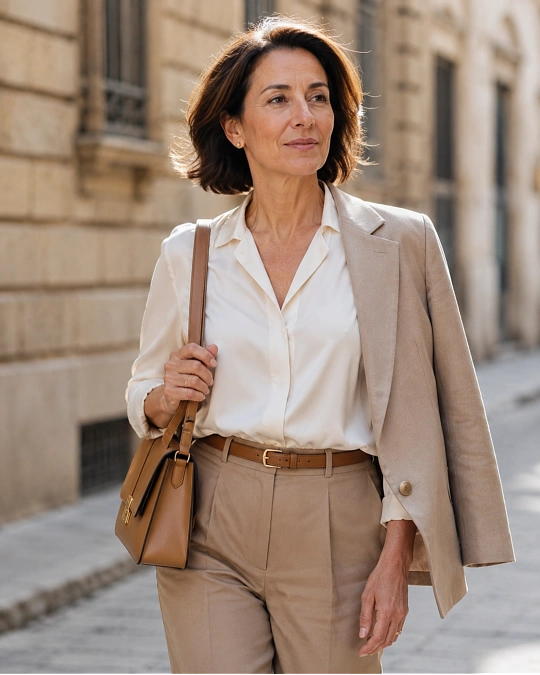
For example, a classic pair of trousers can feel fresh when worn with a fine knit, modern loafers, and a simple bag. The clothing itself does not have to be dramatic for the finished outfit to look contemporary.
| Older Styling Habit | Fresher Approach |
|---|---|
| Long fitted cardigan with very skinny jeans | Relaxed cardigan with straight-leg or slim-straight jeans |
| Very structured matching blazer and trousers | Soft blazer with denim or fluid trousers |
| Heavy dark shoes with every outfit | Clean loafers, simple sneakers, flats, or streamlined boots |
| Several statement accessories at once | One noticeable accessory with simpler supporting pieces |
| Every garment fitted closely | One defined piece balanced with one relaxed piece |
You do not have to change everything at once. Try replacing just one element of an outfit and look at the difference. A different shoe, jacket length, or trouser shape can sometimes refresh an entire combination.
When your clothes feel current, comfortable, and intentional, the result naturally looks more energetic. That is much more useful than trying to imitate someone else’s age or personal style.
Get the Proportions Right Before You Buy Anything New
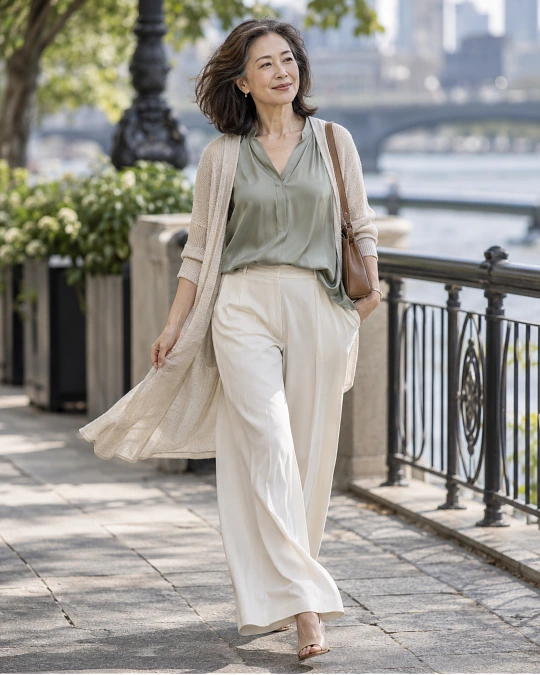
Before buying new clothes, take a close look at the proportions of the clothes you already own. Proportion has a major effect on how balanced and modern an outfit appears.
If every item is oversized, long, or loose, your shape can become difficult to see. On the other hand, wearing fitted pieces from head to toe can make an outfit feel restrictive or dated.
A better approach is to create contrast. Try a relaxed shirt with straight trousers, a slightly wider pair of jeans with a more defined top, or a loose cardigan over a simple fitted base layer.
If you enjoy wide-leg pants, consider a top that ends closer to the waist or hip. If you prefer longer tops, cleaner trousers can help prevent the entire outfit from becoming visually heavy.
Fit note: Pay attention to where hems end on your body. A jacket or cardigan that stops exactly at the widest part of the hip can sometimes add unnecessary visual weight. Moving the hem slightly higher or lower may create a smoother line.
Do not judge every outfit only by looking straight into a mirror from a short distance. Take a quick photo from several feet away. A photograph can make it easier to notice whether your layers are balanced.
Another useful check is movement. Sit down, walk around, lift your arms, and turn from side to side. If the outfit stays comfortable and maintains its shape, it is more likely to become something you actually enjoy wearing.
Good proportions do not mean following one strict formula. Your height, body shape, personal preference, and lifestyle all matter. The objective is simply to make each outfit feel visually balanced.
Choose Fabrics That Move Instead of Fighting Your Body
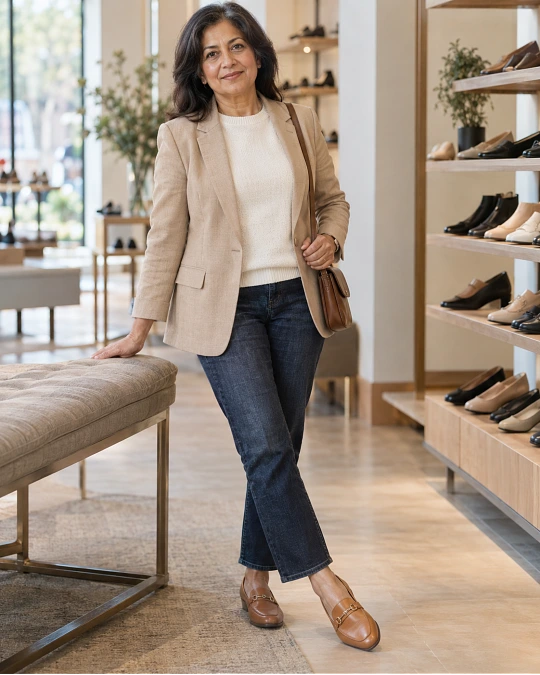
The fabric of a garment can change the entire appearance of an outfit. Even a flattering cut can look less polished when the material is extremely stiff, bulky, thin, or clingy.
For a softer and more modern effect, look for fabrics that have enough structure to hold their shape but enough movement to follow the body naturally.
Soft denim, fine knitwear, cotton poplin, linen blends, ponte, smooth jersey, and fluid woven fabrics can all be useful choices. The best option depends on the garment and the season.
The aim is not to cover your body. Instead, choose clothes that skim rather than grip, pull, or overwhelm your natural shape.
| Fabric or Garment | What to Look For | Why It Works |
|---|---|---|
| Denim | Medium weight with comfortable stretch | Provides structure without feeling excessively rigid |
| Knitwear | Fine or medium gauge | Adds softness without unnecessary bulk |
| Button shirt | Cotton, poplin, linen blend, or soft viscose | Offers structure while allowing comfortable movement |
| Trousers | Fluid woven fabric or ponte | Creates a smoother and cleaner leg line |
| T-shirts | Substantial cotton or smooth jersey | Usually hangs more neatly than very thin fabric |
Comfort upgrade: Pay attention to how often you adjust your clothes throughout the day. If you constantly pull down a shirt, smooth a skirt, or reposition a waistband, the garment may not be working well for you.
Comfort also affects how you carry yourself. When clothing allows you to move naturally, you are less likely to look stiff or distracted by what you are wearing.
That is one reason fabric quality can matter more than adding another trend to your wardrobe. A simple outfit in comfortable, well-behaved fabrics can look more polished than a complicated outfit made from uncomfortable materials.
Bring Lighter Color Near Your Face
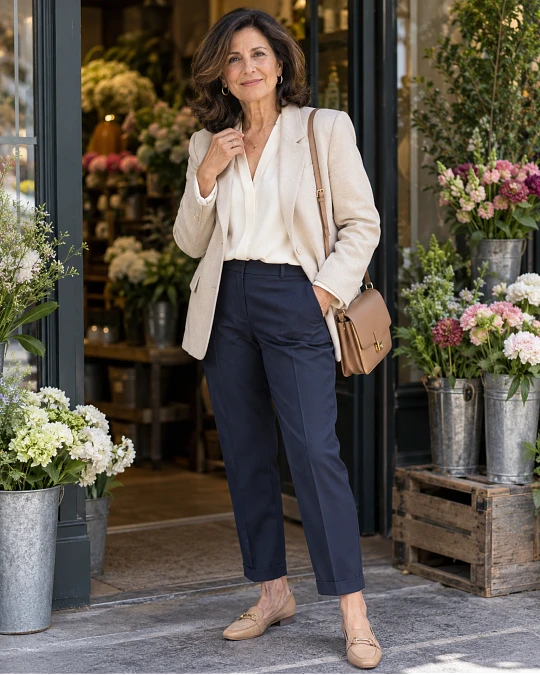
Dark colors are not something you need to avoid after 50. Black, navy, charcoal, chocolate brown, and deep burgundy can all be sophisticated wardrobe colors.
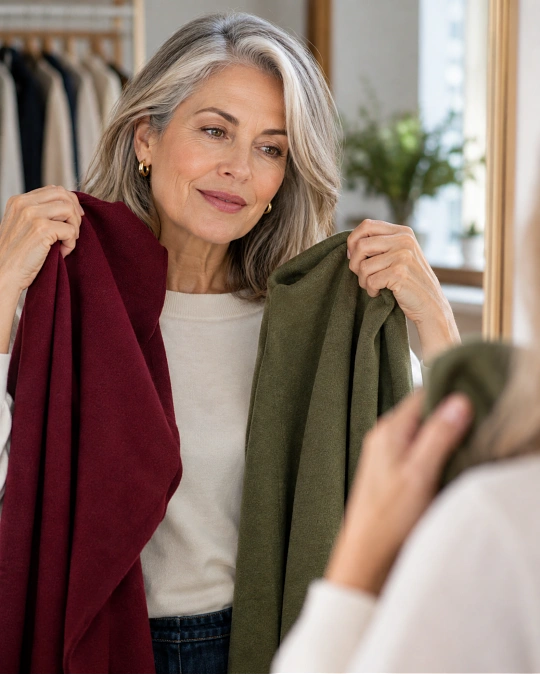
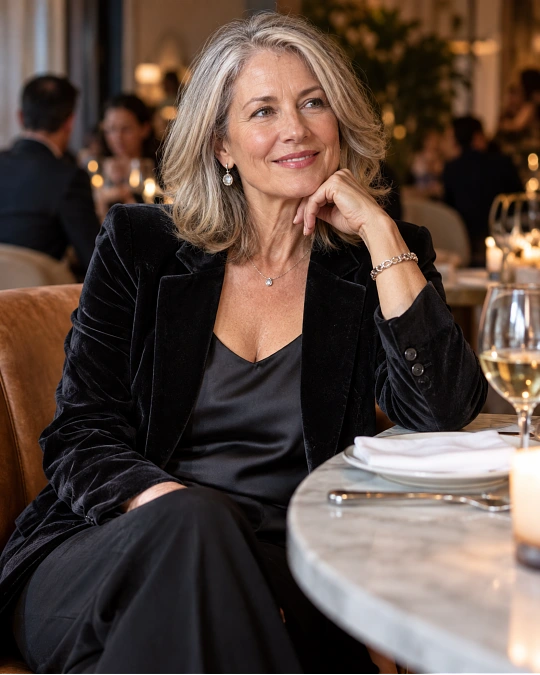
However, if dark shades close to your face seem harsh, try introducing a lighter or softer color around your neckline. This can change the overall impression of an outfit without requiring you to give up your favorite dark clothes.
Cream, soft white, pale blue, muted pink, sage, camel, denim blue, and other flattering shades can provide a gentle contrast against darker layers.
Try these simple combinations:
- Wear a cream blouse underneath a dark blazer.
- Choose a softer scarf instead of an all-black scarf.
- Wear a light shirt underneath a navy or charcoal cardigan.
- Keep dark trousers while adding a lighter top.
- Use earrings or a necklace to add brightness around the face.
- Try an open neckline when a high dark neckline feels too heavy.
You can also wear black from head to toe if that is your preferred style. Adding a lighter jacket, brighter earrings, or a softer neckline can break up the darkness without changing the outfit completely.
Color placement is often more useful than simply asking whether a particular color is “young” or “old.” The same black top can look completely different depending on the neckline, fabric, accessories, and colors surrounding it.
When deciding what works best, use your own mirror test. Look at the color close to your face in both natural daylight and indoor lighting. The shade that makes you feel comfortable and refreshed is usually the more useful choice.
Update Your Shoes Before You Replace Your Clothes
If you want to look younger after 50 without spending much money, take a look at your shoes before replacing your clothes. Footwear has a surprisingly strong effect on the overall mood of an outfit.
An otherwise modern combination can feel dated when the shoes are extremely heavy, overly decorated, or disconnected from the rest of the outfit.
This does not mean you need uncomfortable high heels or highly trendy footwear. Look for clean shapes that work with the clothes you already enjoy wearing.
A simple sneaker can make jeans and knitwear feel relaxed and current. A streamlined loafer can give trousers a polished finish, while a clean ankle boot can balance a midi skirt or dress.
If ballet flats are part of your wardrobe, a simple shape can work beautifully. If sneakers are your preference, uncomplicated leather, suede, or fabric designs can be easy to combine with everyday clothing.
| Outfit | Easy Shoe Choice | Why It Feels Fresher |
|---|---|---|
| Straight jeans and knit | Clean sneaker | Keeps the outfit relaxed and uncomplicated |
| Ankle trousers and blouse | Loafer | Adds polish without making the outfit too formal |
| Midi skirt and sweater | Streamlined ankle boot | Creates a balanced base for the skirt |
| Casual dress | Simple sneaker or flat slingback | Keeps the dress from feeling overly traditional |
Shoe swap: Before deciding that an outfit no longer works, change the footwear. Try two or three different pairs and compare the result.
You may discover that the clothes were never the problem. Sometimes a new shoe shape is enough to make an old favorite outfit feel completely different.
Skip the Styling Details That Make an Outfit Feel Overworked
Looking polished does not mean making every part of an outfit match perfectly. Too many coordinated details can sometimes make clothing feel formal, predictable, or overly planned.
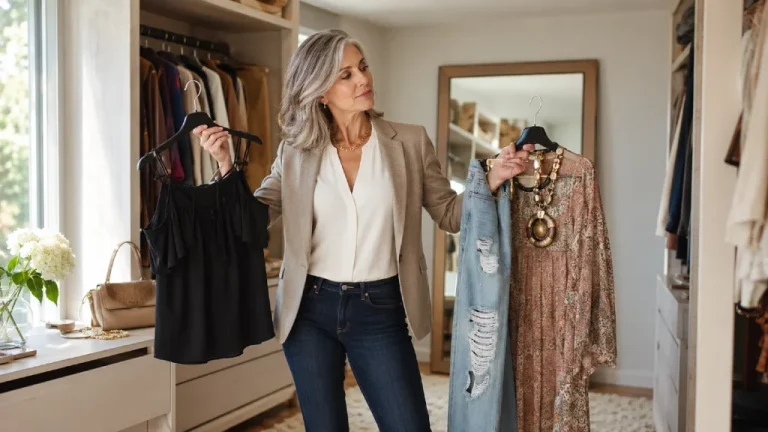
Modern outfits often benefit from a little contrast. A tailored blazer can look relaxed with jeans, while polished trousers can feel easier with a soft sweater and simple shoes.
If you love statement jewelry, keep wearing it. Give the piece enough space so that it becomes the focal point instead of competing with several other accessories.
- If your necklace is bold, consider simpler earrings.
- If your blouse has a strong print, keep the shoes and bag understated.
- If your jacket is structured, add denim or a soft knit for contrast.
- If the whole outfit feels too coordinated, replace one item with something more relaxed.
- If your accessories are already noticeable, keep the clothing lines simple.
You can also create a more current appearance by mixing levels of formality. A dressy jacket with simple denim, a casual sweater with tailored trousers, or a classic shirt with modern sneakers can feel more relaxed than a completely matched outfit.
This does not mean your wardrobe needs to become casual. It simply gives each outfit some visual breathing room.
The most useful question is often not “Does everything match?” but “Does everything work together?” Those are two different things.
When the colors, proportions, and textures support one another without looking overly coordinated, the final result can feel effortless and confident.
Use One Repeatable Outfit Formula on Busy Mornings
One of the easiest ways to look younger after 50 is to stop making every morning a completely new styling challenge. A repeatable outfit formula can save time while giving your wardrobe a recognizable sense of style.
A useful starting formula is:
Straight-leg jeans or relaxed trousers + simple knit or shirt + modern third layer + clean shoes
The third layer can be a blazer, cardigan, denim jacket, lightweight trench, overshirt, or another outer layer that adds structure.
For a casual lunch, you could wear the formula with loafers and small earrings. For errands, switch to sneakers and a crossbody bag. For travel, choose softer trousers and a lightweight cardigan.
The basic structure stays the same while the individual pieces change. This makes the wardrobe easier to use because you are not starting from zero every morning.
A repeatable formula can also help when building a capsule wardrobe over 50. Instead of buying isolated pieces that look good in the store but rarely get worn, you can focus on garments that work within several familiar combinations.
Try creating three or four formulas that suit your real life. For example:
- Jeans + knit + blazer + loafers
- Wide-leg trousers + fitted knit + short jacket + flats
- Midi skirt + simple sweater + ankle boots
- Relaxed trousers + shirt + cardigan + clean sneakers
These are not rules. They are starting points that can be adjusted to your body shape, climate, workplace, activities, and personal taste.
Most importantly, do not underestimate the value of repeating an outfit formula. Personal style often becomes clearer when you know which shapes and combinations make you feel comfortable and put together.
Frequently Asked Questions
What clothes make a woman over 50 look younger?
Clothes that fit comfortably, have balanced proportions, and use current styling details can create a fresher appearance. Straight-leg jeans, relaxed trousers, simple knitwear, modern jackets, clean shoes, and flattering colors are useful starting points.
The goal is not to choose clothing designed for a younger age group. Instead, focus on pieces that fit your current body and lifestyle while avoiding combinations that feel unnecessarily heavy or dated.
Should women over 50 stop wearing black?
No. Black can be elegant, versatile, and completely modern at any age.
If black close to your face feels too strong, try introducing cream, soft blue, jewelry, an open neckline, or another flattering shade. You can keep the black pieces you love while changing the way they are styled.
Can women over 50 still wear trends?
Absolutely. You do not have to follow every trend to stay current. Choose trends that work naturally with your existing wardrobe and personal style.
A new jean shape, modern loafer, updated jacket, current bag shape, or fresh color can be enough to refresh several outfits without changing your entire closet.
Do loose clothes make you look older?
Loose clothing is not automatically aging. The issue usually comes from wearing too many oversized pieces at the same time without creating any structure.
Try balancing a relaxed garment with something more defined. For example, a loose shirt can work well with straighter trousers, while wide-leg pants can pair nicely with a cleaner or more fitted top.
How can I look younger without buying new clothes?
Start with styling rather than shopping. Try changing your shoes, partially tucking a shirt, pushing up your sleeves, removing one accessory, leaving a cardigan open, or adding a lighter color near your face.
You can also create new outfits by combining pieces in ways you have not tried before. Photograph a few combinations and compare them from a distance.
Small changes can make familiar clothes feel surprisingly different. If an outfit is comfortable, fits well, and still reflects your personality, there is often no reason to replace it simply because it is not new.