Image credit: Sagely Chic
Why do some people seem to become more patient, generous, and understanding as they get older, while others become increasingly frustrated by the people and situations around them?
You can sometimes see the difference at family gatherings, in long-term friendships, or during ordinary interactions with neighbors and strangers. Two people can experience many of the same changes that come with aging while developing very different ways of responding to life.
There is no single explanation for why someone becomes kinder or more resentful. Personality, life experiences, relationships, health, circumstances, and learned habits can all play a role.
Still, the way a person handles old grievances, unexpected change, social connection, and everyday frustrations can influence the emotional direction of later life.
At a Glance
🧠
Core Driver
Cognitive Flexibility
⏳
Time Horizon
Changes Across Adulthood
⚖️
Key Decider
How Grievances Are Handled
🌱
Malleability
Habits Can Still Change
How the Accumulation of Unresolved Grievances Hardens the Mind

Image credit: Sagely Chic
Imagine sitting across from someone who can recall every disappointment, argument, and perceived slight from decades ago with remarkable detail.
When old conflicts are repeatedly revisited, they can remain emotionally active long after the original situation has ended. Simply telling yourself to “forgive and forget” may not be enough to change a deeply practiced habit of resentment.
A more practical starting point is acknowledging the grievance without continuing to feed it. You can recognize that something hurt you while also deciding that you do not want to spend the rest of the day replaying it.
Try saying to yourself, “That happened, I remember how it affected me, and I do not need to keep reopening it today.”
That does not erase the past. It simply creates some distance between the experience and your current response.
⚠️ COMMON MISTAKE
The Danger of Keeping Score
Constantly reviewing who was wrong, who apologized, and who owes whom can keep old conflicts emotionally present. When you stop maintaining the mental scoreboard, you create more room for the relationships and experiences happening now.
Why Cognitive Flexibility Determines Your Emotional Trajectory

Image credit: Sagely Chic
One useful way to think about emotional flexibility is to notice what happens when something does not go according to plan.
Does an unexpected change immediately feel like a personal offense, or can you become curious about why it happened?
Rigid expectations can make ordinary disappointments feel much bigger. When you have a very specific idea of how people should behave, any deviation from that expectation may feel disrespectful or threatening.
Flexibility does not mean accepting everything. It means recognizing that your preferred outcome is not always the only reasonable outcome.
The next time someone changes a plan, try noticing your first reaction before acting on it. That brief pause can help you decide whether the situation actually requires confrontation or simply requires adjustment.
The Divergence Timeline Over Decades
⚖️
Age 40-50
The Friction Point
Stress, disappointments, and repeated interpersonal habits can become more established during midlife.
🔀
Age 55-65
The Fork in the Road
Some people continue reinforcing rigid responses, while others become more intentional about acceptance, perspective, and emotional flexibility.
🏛️
Age 70+
The Established Pattern
Long-practiced emotional and social habits may feel increasingly familiar, although familiar does not necessarily mean permanent.
What Happens When Time Horizons Shrink?

Image credit: Sagely Chic
As people move through later adulthood, their sense of time can change. Many begin thinking more deliberately about which relationships, experiences, and activities are worth their limited attention.
That shift can encourage a different set of priorities. Instead of spending hours proving that someone was wrong years ago, a person may decide that the relationship in front of them matters more.
For some people, this creates greater appreciation for ordinary moments: a meal with family, a conversation with a friend, a quiet morning, or time spent doing something meaningful.
Others may continue investing heavily in old conflicts. The difference is not simply age. It can depend on the habits a person has developed for dealing with disappointment and loss.
Emotional Priority Shift — At a Glance
⏳ Time Perception
Finite Horizon
🎯 Primary Focus
Present Connection
🛡️ Defense Level
Potentially Lowered
The Core Shift
Recognizing that time is limited can make unnecessary arguments and minor conflicts feel less important than meaningful connection.
How Social Circles Shrink and Amplify Existing Habits
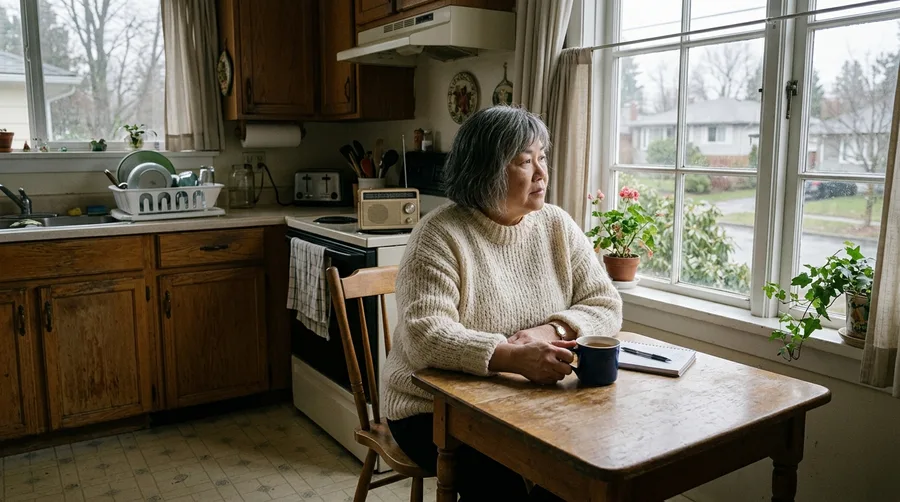
Image credit: Sagely Chic
A smaller social circle is not automatically a bad thing. Many people genuinely enjoy having fewer commitments and more quiet time as they get older.
The concern comes when reduced contact becomes complete isolation and there are very few opportunities to hear different perspectives or share everyday experiences.
When your world becomes extremely small, minor frustrations can sometimes receive far more mental attention simply because there are fewer competing experiences.
A simple way to interrupt that pattern is to create regular opportunities for ordinary human contact. Visit a library, attend a class, volunteer, walk through a community space, or simply spend time somewhere that naturally produces small conversations.
You do not need a huge social network. Even a few regular points of connection can help keep life from becoming completely inward-facing.
The Two Trajectories Compared
⚡
The Bitter Trajectory
- Rehearses past slights repeatedly
- Views unexpected change as a personal threat
- Interprets neutral behavior negatively
- Feels safer when everything stays under personal control
🌿
The Kinder Trajectory
- Practices acceptance of what cannot be changed
- Allows other people to be imperfect
- Releases smaller grievances more easily
- Places more attention on present relationships and experiences
Can You Change Your Trajectory After Decades of Habit?

Image credit: Sagely Chic
It is reasonable to wonder whether decades of automatic reactions can really change.
If you have spent years becoming impatient when plans change, replaying old arguments, or expecting the worst from other people, those responses may feel almost automatic.
But an established habit is not the same thing as an unchangeable personality trait.
People can learn different ways of responding throughout adulthood. Change may begin with something very small: noticing the familiar irritation before it becomes an argument.
You might feel your jaw tighten when someone makes the same mistake again. Instead of immediately launching into the familiar criticism, pause and identify what is happening.
Try saying, “I am falling into that old reaction again.” Then give yourself a few seconds before deciding what to do next.
The goal is not to become endlessly patient. It is to create enough space to choose a response rather than automatically repeating the old one.
🌱 GROWING TIP
Interrupting the Resentment Loop
When you notice yourself replaying an old argument, pause for five seconds. Name the feeling, take a breath, and ask whether continuing the mental replay is helping you with anything happening today.
Frequently Asked Questions
Why do some people become more bitter as they get older?
There is no single reason. Repeated unresolved conflicts, difficult life experiences, social isolation, chronic stress, personality traits, and established ways of interpreting events can all contribute to greater resentment.
It is also important not to assume that an older person’s frustration automatically means they are becoming bitter. Context matters, and persistent changes in mood or behavior may have many possible explanations.
Is personality fixed after midlife?
Personality tends to show considerable stability, but stability does not mean every behavior or emotional habit is fixed forever.
People can develop new routines, coping strategies, perspectives, and relationship patterns at many stages of adulthood.
How can I stop myself from becoming bitter?
Start by identifying the grievances you repeatedly revisit. Ask whether the issue still requires action or whether you are continuing to carry it because the emotional habit has become familiar.
Practicing acceptance, maintaining meaningful relationships, and focusing on what you can influence can help create a healthier response pattern.
What role does social connection play in aging with kindness?
Regular social contact can expose you to different viewpoints, provide emotional support, and create opportunities for positive experiences.
A smaller social circle can be perfectly healthy when it remains meaningful. The bigger concern is prolonged isolation that leaves little opportunity for connection or perspective.
The Choice That Arrives Every Morning
You do not have to repair every old wound or completely rewrite your personality to create a softer second half of life.
Sometimes the change begins with one ordinary decision: not to reopen an old argument today.
You can remember what happened without continuing to fight it. You can maintain boundaries without treating everyone as an opponent. You can disagree with someone without making the disagreement the center of your day.
Over time, those small choices can influence the emotional atmosphere you create around yourself.
Run Your Own Resentment Check
Look at the patterns above and identify one grievance or reaction that repeatedly consumes your attention.
Ask yourself three questions: Does this still need action? Can I influence the outcome? And what would I gain by releasing the part I can no longer change?
You do not have to forget the past. You simply get to decide how much of your present life you want the past to occupy.