What to Wear in NYC in October (Before the Wind Off the Avenue Wrecks Your Outfit)
October in New York City is one of those months when your outfit needs to be ready for more than one kind of weather. A morning can feel crisp and cool, the afternoon may warm up considerably, and the evening can bring back the chill.
That changing temperature is especially noticeable when you’re spending the day outdoors. Walking through different neighborhoods, riding the subway, stopping at cafés, and exploring parks can mean going from a chilly sidewalk to a warm indoor space several times in one day.
The key is not to pack a completely different outfit for every possible temperature. Instead, build your October wardrobe around practical layers, comfortable shoes, a useful coat, and a few accessories that can adapt as conditions change.
New York style also tends to favor simple, polished pieces. You can look put-together without wearing anything overly formal, and versatile clothing makes it much easier to move from sightseeing to dinner.
Table of Contents
- Before We Dive In
- A Transitional Coat That Actually Earns Its Keep
- Layers You Can Actually Remove (Not Just Add)
- Jeans or Trousers That Handle Real Walking
- Comfortable Walking Shoes (Non-Negotiable Here)
- A Scarf (Doing More Work Than You’d Think)
- One Dressier Outfit for Dinner
- Rain Gear (Pack It Even If the Forecast Looks Clear)
- A Crossbody Bag or Slim Backpack
- Fabrics That Actually Hold Up
- What Not to Wear
- How Many Outfits to Pack
Before We Dive In
October generally brings classic fall conditions to New York, but temperatures can vary throughout the day. Early mornings and evenings can feel distinctly cool, while sunny afternoons may be comfortable enough to remove a layer.
The second half of the month usually feels more autumnal than the beginning, so your packing list should take your travel dates into account. A coat that feels unnecessary on a sunny afternoon can become very useful once the sun goes down.
Wind is another reason not to rely on the temperature alone. Tall buildings can create surprisingly strong gusts along streets and avenues, making a mild day feel considerably colder.
Then there is the walking. A typical sightseeing day can involve miles of pavement, subway stairs, crowded sidewalks, and plenty of standing. Your clothes should look good, but your shoes and outerwear also need to work in real conditions.
For an October trip, think comfortable, layered, practical, and polished rather than overly summery or heavily winterized.
A Transitional Coat That Actually Earns Its Keep
A good transitional coat can become the foundation of almost every October outfit.
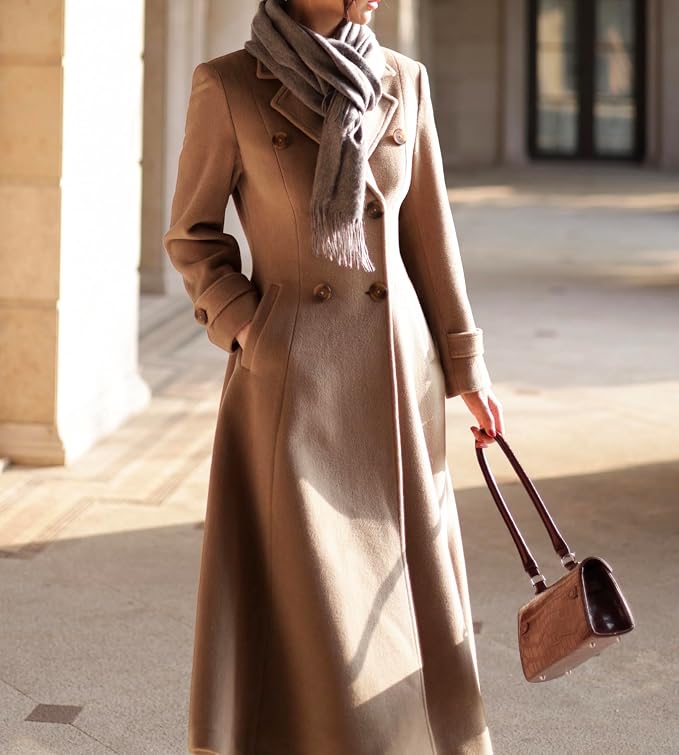
You don’t necessarily need a thick winter parka at the start of fall, but a flimsy jacket may leave you uncomfortable during cool mornings and evenings. Look for something that provides moderate warmth without becoming too bulky.
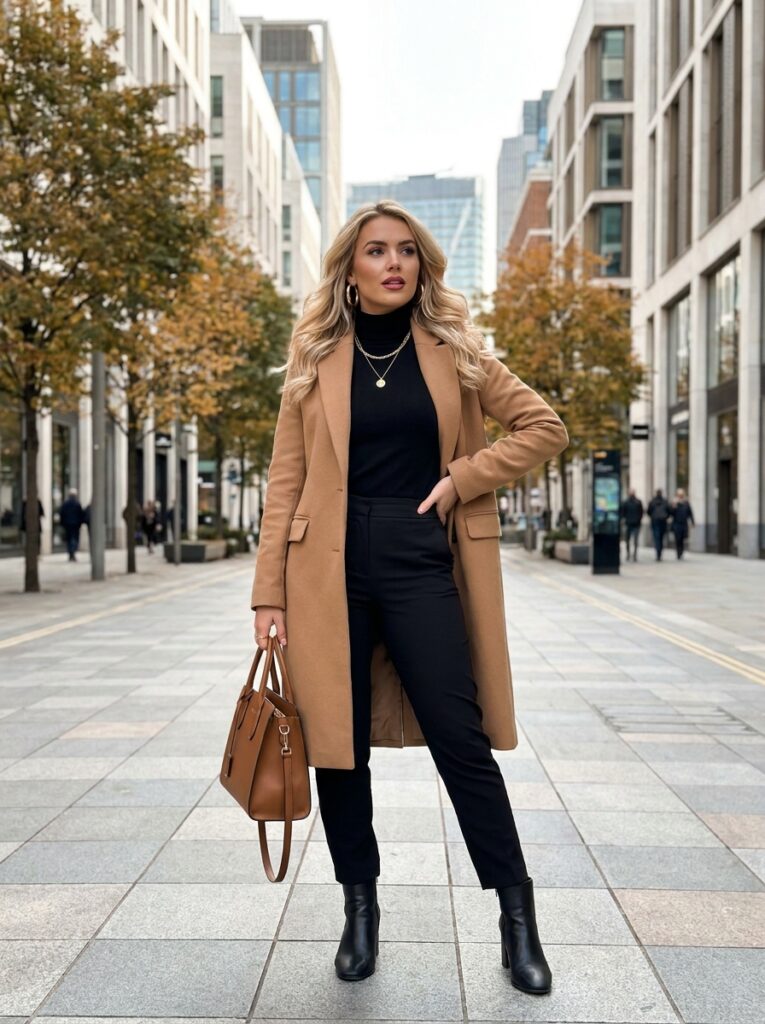
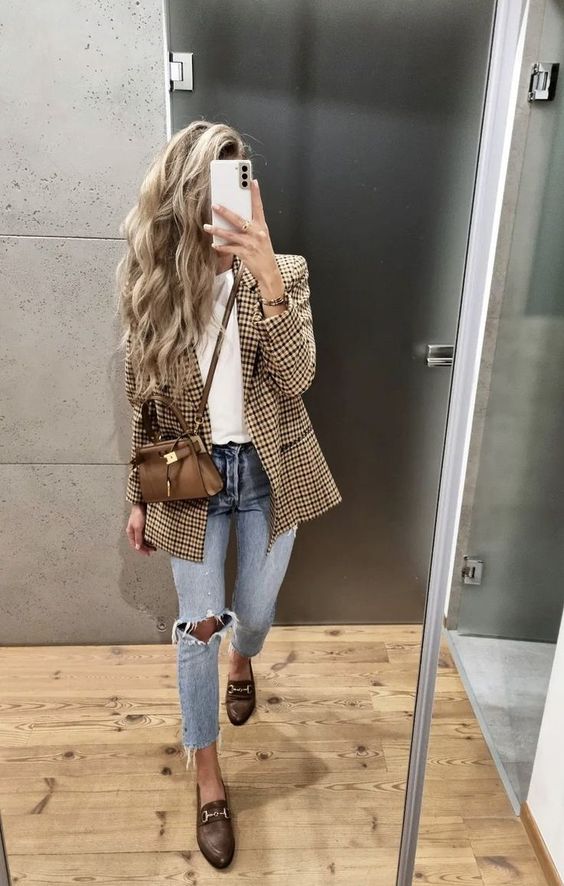
A wool-blend coat, trench, structured jacket, or substantial denim jacket can work depending on your travel dates and personal tolerance for cold.
The biggest advantage of a versatile coat is that it can work across your entire itinerary. Wear it over a sweater for morning sightseeing, leave it open when the afternoon becomes warmer, and pair it with a dress or trousers for dinner later.
Pro tip: Choose a neutral shade such as black, camel, gray, navy, or olive. It will coordinate with more of your wardrobe and reduce the number of outerwear pieces you need to pack.
Layers You Can Actually Remove (Not Just Add)
October outfits work best when every layer has a purpose on its own.
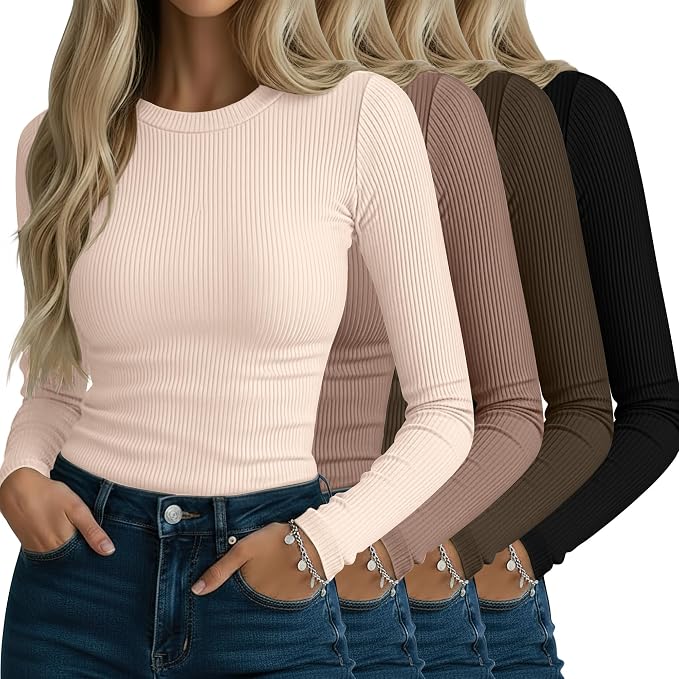
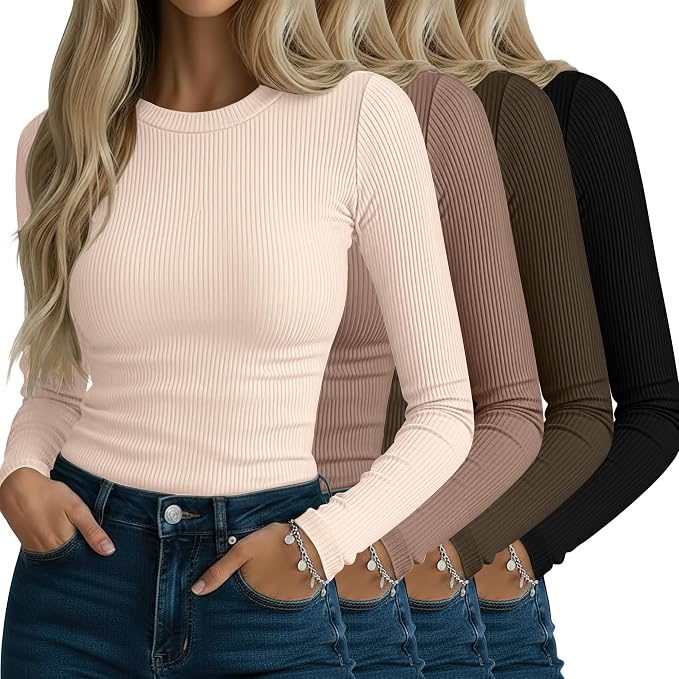
Instead of wearing one very warm top, combine lighter pieces that can be removed throughout the day. A long-sleeve shirt underneath a lightweight sweater and transitional coat gives you several options without requiring a suitcase full of clothes.
This approach is especially useful when moving between outdoor streets, subway stations, shops, and restaurants. Indoor spaces may feel warm compared with the sidewalk, so being able to remove your sweater or coat makes the outfit much more comfortable.
Look for pieces that look complete when worn separately. A basic long-sleeve top can work underneath a sweater in the morning and stand alone during a warmer afternoon.
Pro tip: Avoid building an outfit around a layer that only works underneath something else. Every major piece should be wearable on its own whenever possible.
Jeans or Trousers That Handle Real Walking
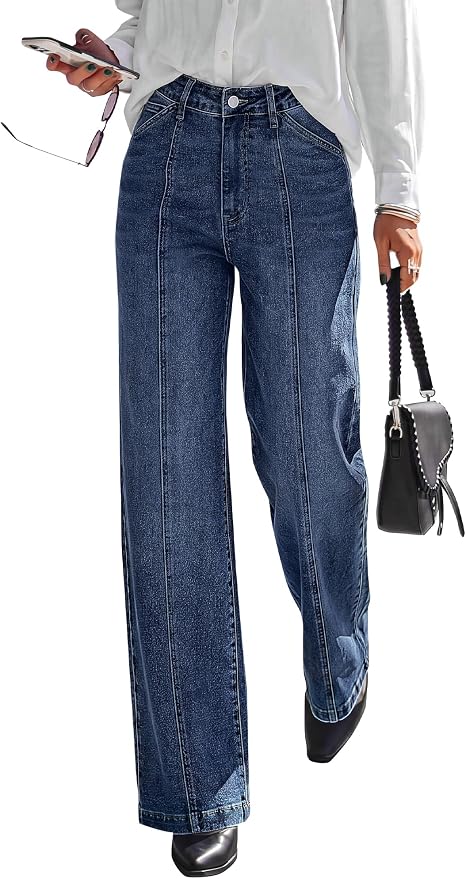
A comfortable pair of jeans can be one of the most useful pieces in an October New York wardrobe.
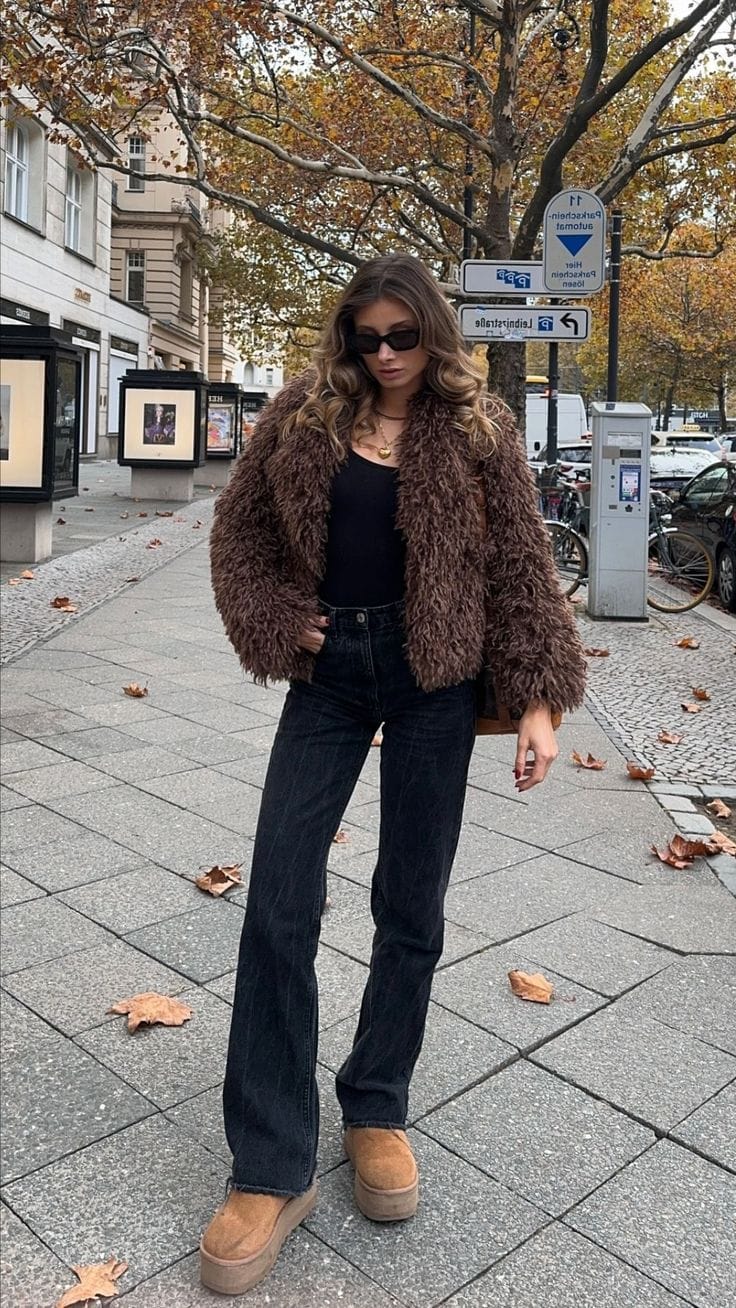
Denim works well with sweaters, jackets, button-down shirts, boots, and sneakers. It also transitions easily between daytime sightseeing and casual evening plans.
Straight-leg, relaxed, wide-leg, or classic slim styles can all work. The important thing is choosing a fit that allows you to walk comfortably for several hours.
Trousers are another option if you want something slightly more polished. A pair of tailored pants can look elevated with a sweater and coat while remaining practical enough for exploring the city.
You don’t need a huge selection. For a short trip, two versatile bottoms can cover several days when paired with different tops and accessories.
Pro tip: Darker denim or medium-to-dark trousers can be easier to maintain during a busy city trip because small marks and everyday wear are less noticeable.
Comfortable Walking Shoes (Non-Negotiable Here)
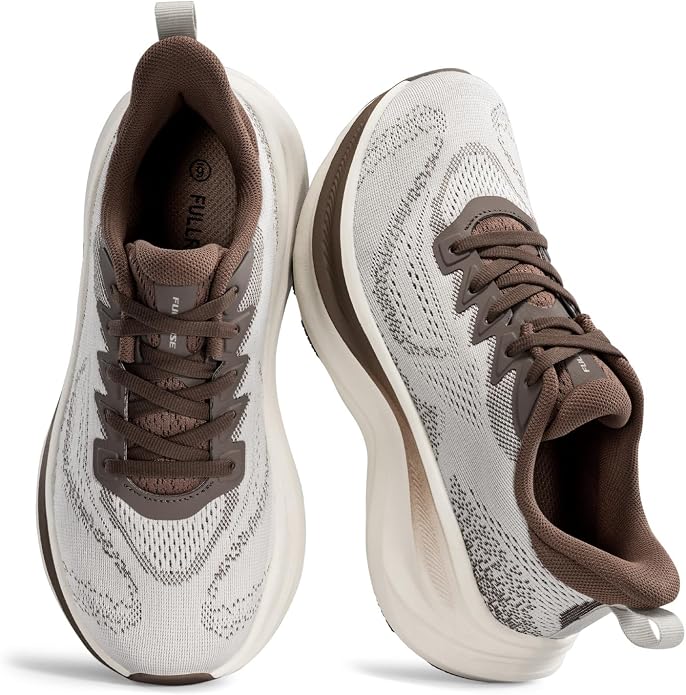
New York is a city where footwear can make or break your day.
Even if your itinerary looks short on a map, sightseeing often involves considerably more walking than expected. Add subway stairs, standing in lines, crossing large intersections, and wandering through different neighborhoods, and uncomfortable shoes can quickly become a problem.
Supportive sneakers are an easy choice for daytime. If you prefer a more polished appearance, consider broken-in ankle boots, cushioned loafers, or another pair you already know you can walk in comfortably.
Avoid bringing a brand-new pair and expecting them to become comfortable during the trip. October weather can also bring wet pavement, so footwear with dependable traction is useful.
For evenings, you can use the same clean sneakers or boots with a more polished outfit rather than carrying an entirely separate pair of shoes.
Pro tip: Test your travel shoes on a long walk before your trip. If they cause pressure or rubbing at home, several hours of New York walking will make the problem much more noticeable.
A Scarf (Doing More Work Than You’d Think)
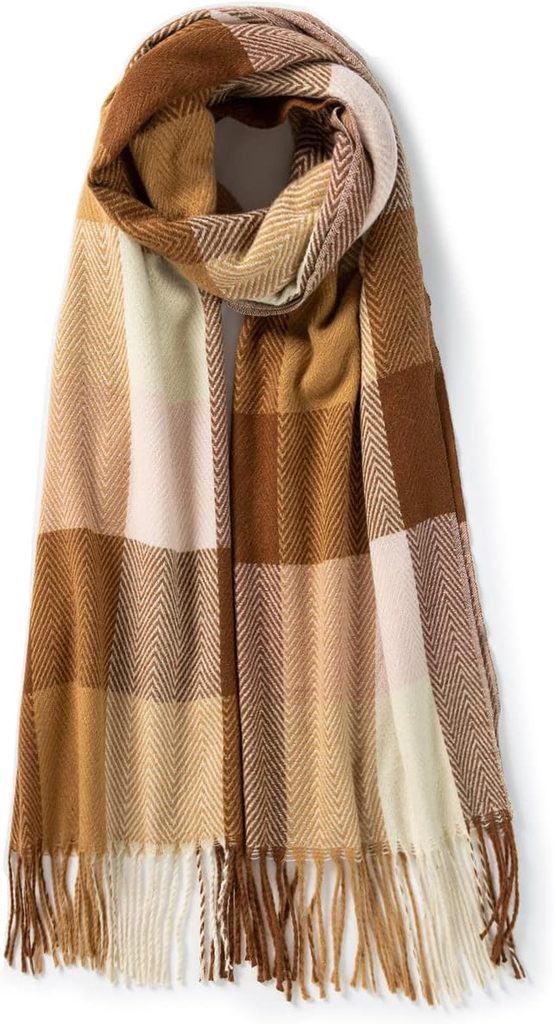
A scarf may seem like an optional accessory, but it can be surprisingly useful during an October visit.
A medium-weight scarf adds warmth without the bulk of another sweater. It can also protect your neck when you’re walking through windy streets or waiting outside.
When temperatures rise, you can simply fold it into your bag instead of carrying a bulky extra layer.
A neutral scarf can also change the appearance of repeated outfits. The same jeans, sweater, and coat can look different with a patterned or textured scarf.
Pro tip: Pick a scarf that works with most of your wardrobe instead of packing one that only matches a single outfit.
One Dressier Outfit for Dinner
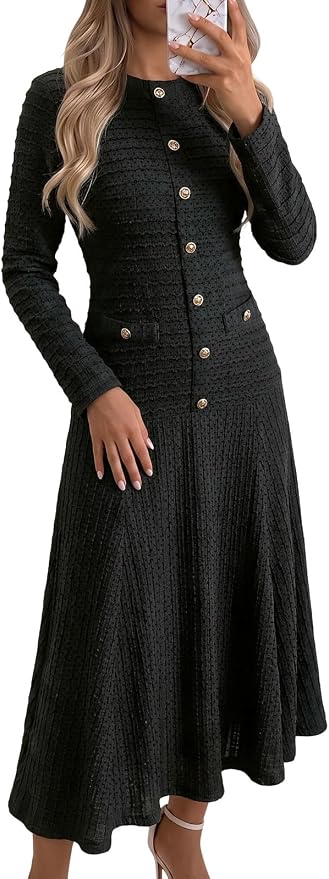
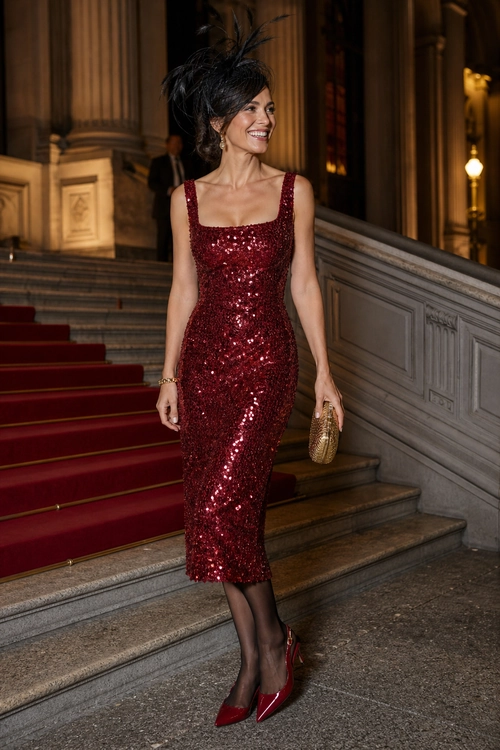
You don’t need formal clothing for most New York dinners, but having one outfit that feels more polished gives you flexibility.
A dark midi dress, tailored trousers with a nice blouse, or a sweater paired with a refined skirt can work for many restaurants and evening plans.
The trick is to build the look around pieces you’re already carrying. Your daytime coat can become an evening layer, while ankle boots or polished sneakers can finish the outfit without requiring uncomfortable formal footwear.
If you have plans at a particularly upscale restaurant, check its current dress expectations before packing. Dress codes can vary significantly from one establishment to another.
Pro tip: Choose an evening outfit that can be layered. That way, you won’t need to carry a separate coat just for dinner.
Rain Gear (Pack It Even If the Forecast Looks Clear)
A small amount of rain can completely change the comfort level of a walking-heavy day.
A compact umbrella takes very little room in a suitcase or day bag, while a lightweight waterproof or water-resistant shell provides another option when conditions become wet.
Wind can make umbrellas awkward, particularly in exposed areas or between tall buildings. For that reason, a hooded rain layer can be especially convenient when you need both hands free.
You don’t necessarily need heavy rainwear for a short October trip. A lightweight option that packs down easily is often more practical.
Pro tip: Don’t bury your umbrella underneath everything else in your bag. Keep it somewhere you can reach quickly when rain starts.
A Crossbody Bag or Slim Backpack
Your bag matters more than you might expect when you’re spending an entire day moving around the city.
A compact crossbody bag keeps essentials accessible without taking up much space. A slim backpack can be useful when you need to carry a sweater, umbrella, water bottle, or other small items.
Avoid oversized bags that become uncomfortable after several hours or interfere with crowded public transportation.
For busy areas and packed subway cars, keep your belongings secure and your bag positioned where you can easily keep an eye on it.
Pro tip: A bag with a secure zipper and several small compartments can make it much easier to organize your phone, wallet, transit items, keys, and other essentials.
Fabrics That Actually Hold Up
The best travel fabrics aren’t necessarily the most delicate or luxurious ones. For New York in October, prioritize materials that can handle repeated wear and changing conditions.
Denim, wool blends, cotton blends, and other durable everyday fabrics can work well for sightseeing. They’re generally easy to combine and suitable for casual city outfits.
Very delicate materials may require extra care that isn’t convenient during a busy trip. If a piece wrinkles easily, requires special cleaning, or becomes uncomfortable when damp, think carefully before making it part of your main travel wardrobe.
You should also consider how quickly a fabric dries if you’re caught in unexpected rain.
Pro tip: Build your suitcase around fabrics that can be worn more than once. A versatile sweater that works with several bottoms is more useful than packing multiple single-purpose tops.
What Not to Wear
The biggest mistake is dressing for only the warmest part of the day.
A short-sleeve outfit might feel perfectly comfortable during a sunny afternoon, but that same outfit can feel inadequate during a chilly morning or after sunset.
You should also be cautious with shoes that have little support or traction. Long days of walking are not the time to discover that your favorite fashion shoes aren’t comfortable enough for several miles.
Very delicate clothing can also be inconvenient when you’re using public transportation, walking through busy streets, or dealing with unexpected rain.
If you’re comparing October with an earlier fall visit, what to wear in NYC in September generally calls for lighter layers, especially earlier in the month. October usually makes an additional layer or warmer outer piece more useful.
The goal isn’t to avoid fashionable clothing. It’s to choose fashionable pieces that can survive a full day of actual city activities.
How Many Outfits to Pack
For a long weekend, you can keep your October wardrobe surprisingly compact.
Three comfortable daytime outfits, one slightly dressier evening look, a versatile coat, comfortable shoes, a scarf, and compact rain protection can cover most situations.
Rather than packing a completely different outfit for every day, bring pieces that can be mixed and matched. Changing the sweater, top, scarf, or accessories can make a repeated pair of jeans feel like a different outfit.
For a longer trip, add a few interchangeable tops and another bottom rather than several complete outfits.
The biggest packing mistake is preparing for an imagined version of New York rather than the way you’ll actually spend your days. If your itinerary includes hours of walking, prioritize footwear. If you’ll be outside early and late, prioritize layers. If rain is possible, leave room for compact weather protection.
And remember that October changes as the month progresses. Early October may still offer relatively mild afternoons, while later October can feel much more like the beginning of winter.
New York in October is easiest to dress for when you stop trying to predict one perfect temperature. Build outfits that can adapt. Start with comfortable basics, add a useful middle layer, keep a reliable coat nearby, and make sure your shoes are ready for the miles ahead.
That approach gives you plenty of room to enjoy the city without spending the entire day thinking about whether you dressed too warmly or not warmly enough.