18 Simple Ways on How To Look Taller And Slimmer for Petite Women
If you are petite, choosing the right proportions can make a big difference in how an outfit looks on you. The goal is not to change your body, but to use clothing, accessories, and styling details that create a longer visual line.
Small changes such as tucking in your top, choosing a higher waist, or wearing shoes that visually extend the leg can make an outfit feel more balanced. You can also use layers, prints, necklines, and accessories to guide the eye vertically.
Here are 18 easy styling ideas you can try when you want your petite frame to appear longer and more streamlined.
What does petite mean in clothing?
In fashion, petite clothing is generally designed for women around 5’4″ (162 cm) and under. Petite sizing is mainly about height and proportions rather than body weight or clothing size.
Petite women can have any body shape, from hourglass and pear to rectangle, apple, or inverted triangle. The most useful approach is to choose clothing proportions that work with your own frame rather than following one strict rule.
Well-placed waistlines, appropriate hemlines, balanced layers, and correctly scaled accessories can all help create a polished silhouette. The best part is that you can adapt these ideas to your personal style.
How to Dress to Look Taller and Slimmer
Tuck in tops
Tucking a shirt or top into your trousers or skirt helps define where your waist begins. This can make the lower half of your body appear longer and gives the outfit a cleaner shape.
You do not have to tuck the entire top if that feels uncomfortable. A French tuck, front tuck, or neatly tucked blouse can create a similar effect while keeping the outfit relaxed.
For petite proportions, the key is to avoid letting a long, loose top completely cover your waist and upper hips unless that is the look you intentionally want.
Wear high-waisted bottoms
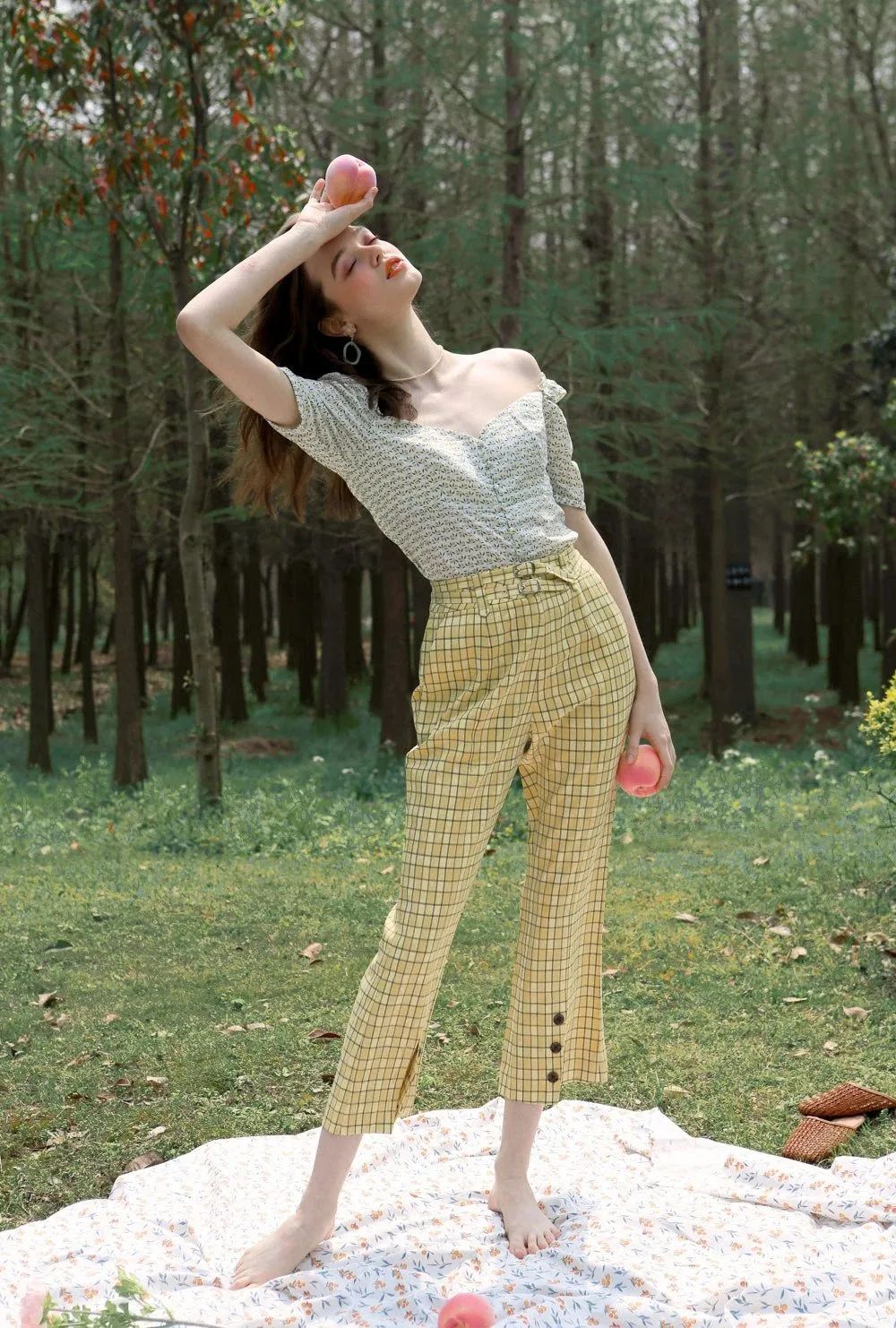
High-waisted jeans, trousers, and skirts place the waistband higher on the body, which can visually give your legs more length. This is especially useful when paired with a shorter or tucked-in top.
If you like wearing belts, position one around your natural waist or slightly higher when the outfit allows. A belt can provide a clear waistline without creating an overly strong horizontal break.
Try combining high-rise bottoms with a fitted shirt, cropped sweater, or tucked blouse for an easy everyday outfit formula.
Empire waist
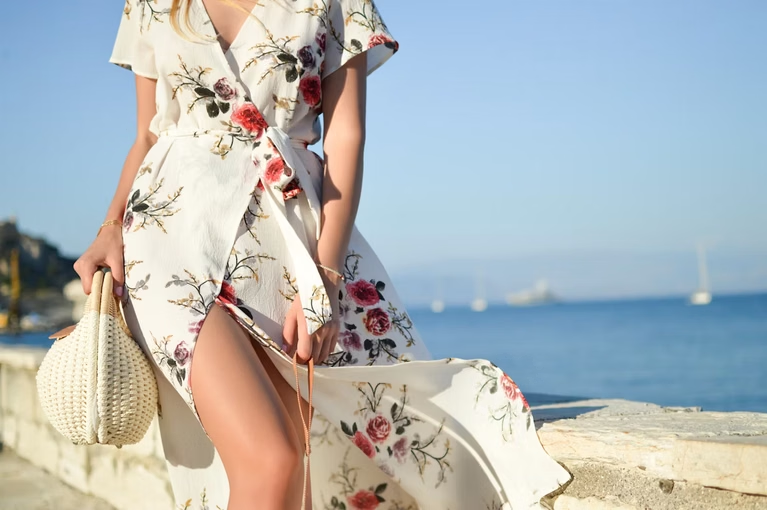
Empire-waist dresses and tops have their fitted point above the natural waist, with the fabric falling from there. This placement can make the lower portion of the body look longer.
This style can work particularly well for dresses because the raised waistline creates a long, uninterrupted shape below it.
Choose fabrics that skim rather than cling if you want a softer and more comfortable finish.
Smaller prints
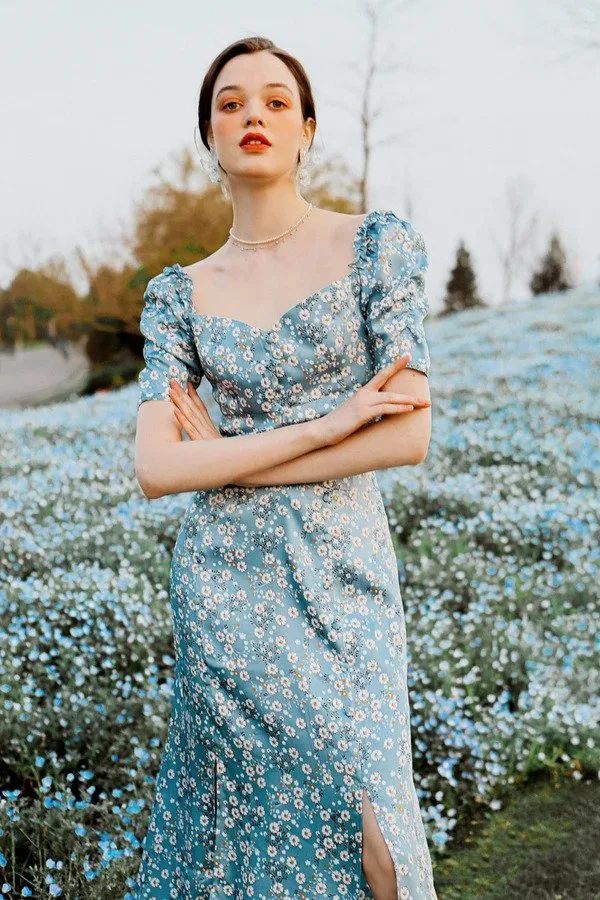
Print scale can change the overall feel of an outfit. On a petite frame, smaller or medium-sized patterns can sometimes look more balanced than very oversized motifs.
Try delicate florals, small checks, narrow geometric patterns, or subtle prints when you want a refined appearance.
You do not have to avoid bold prints altogether. If you love a larger pattern, use it in one main piece and keep the rest of the outfit relatively simple.
Pointed shoes
Pointed-toe shoes create a longer-looking line toward the end of the foot. That small visual detail can make trousers, skirts, and dresses appear more elongated.
Heels are not required. Pointed flats, loafers, slingbacks, and low pumps can give you the same elongated toe shape without adding extra height.
For everyday wear, choose a comfortable pointed flat and let the rest of your outfit provide the height through proportion and color.
A long cardigan
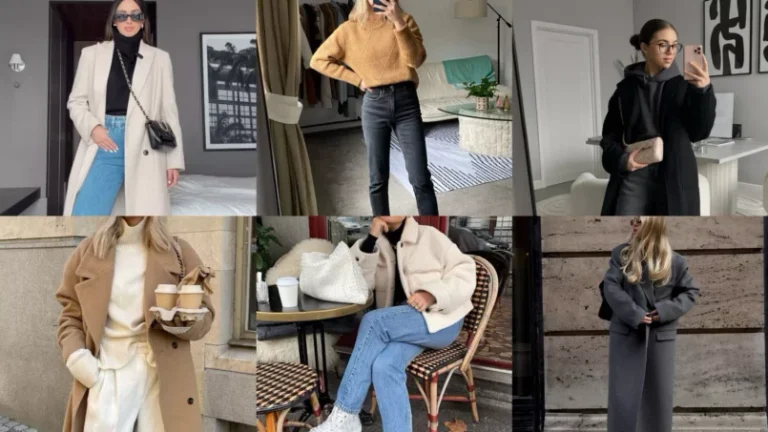
A long cardigan or coat can create a continuous vertical line through an outfit. When worn open, the two front edges naturally guide the eye from the shoulders downward.
For petite women, pay attention to where the cardigan ends. A very long layer can work beautifully when it falls cleanly, while an awkward length can overwhelm a smaller frame.
Another useful styling idea is to decide where you want the main visual break in your outfit. A high waist, cropped jacket, or carefully chosen long layer can help you control those proportions.
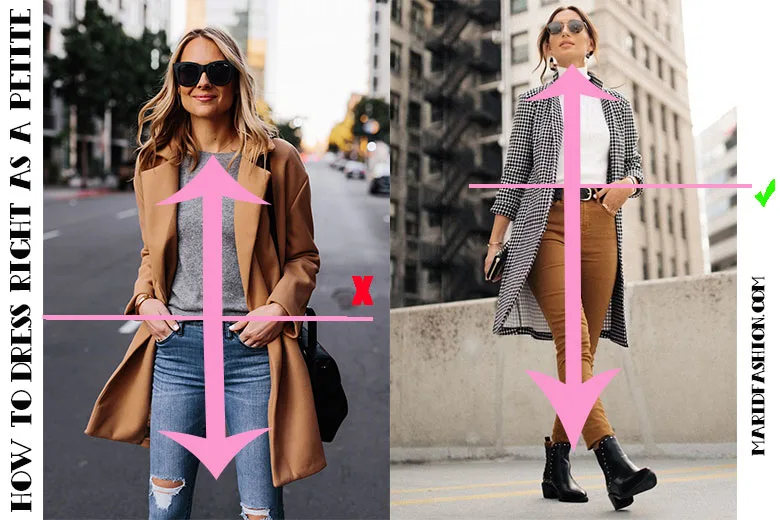
High-rise bottoms and cropped jackets can emphasize the upper waist area, while longer dresses and coats can create a continuous vertical effect. The right choice depends on whether you want to emphasize your legs or create a longer overall silhouette.
High heels
Heels add physical height, but they are not the only way to create a taller-looking outfit. Even a small heel can slightly change your posture and the line of a pair of trousers.
If traditional stilettos are uncomfortable, try block heels, wedges, kitten heels, or low pumps. Comfort matters because an outfit works better when you can actually walk and move naturally in it.
For a casual look, even a modest heel combined with a monochromatic outfit can create a polished effect.
Flare jeans
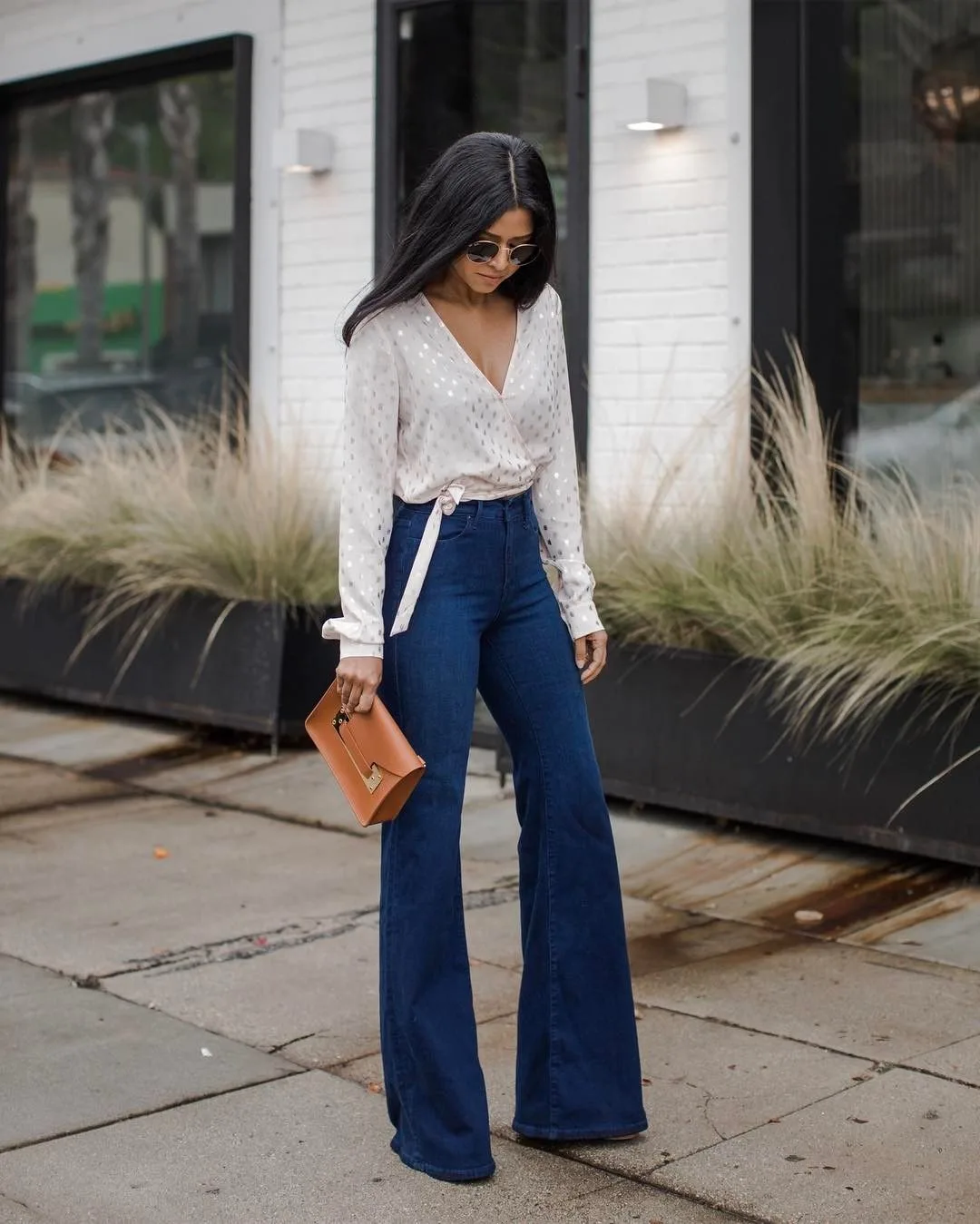
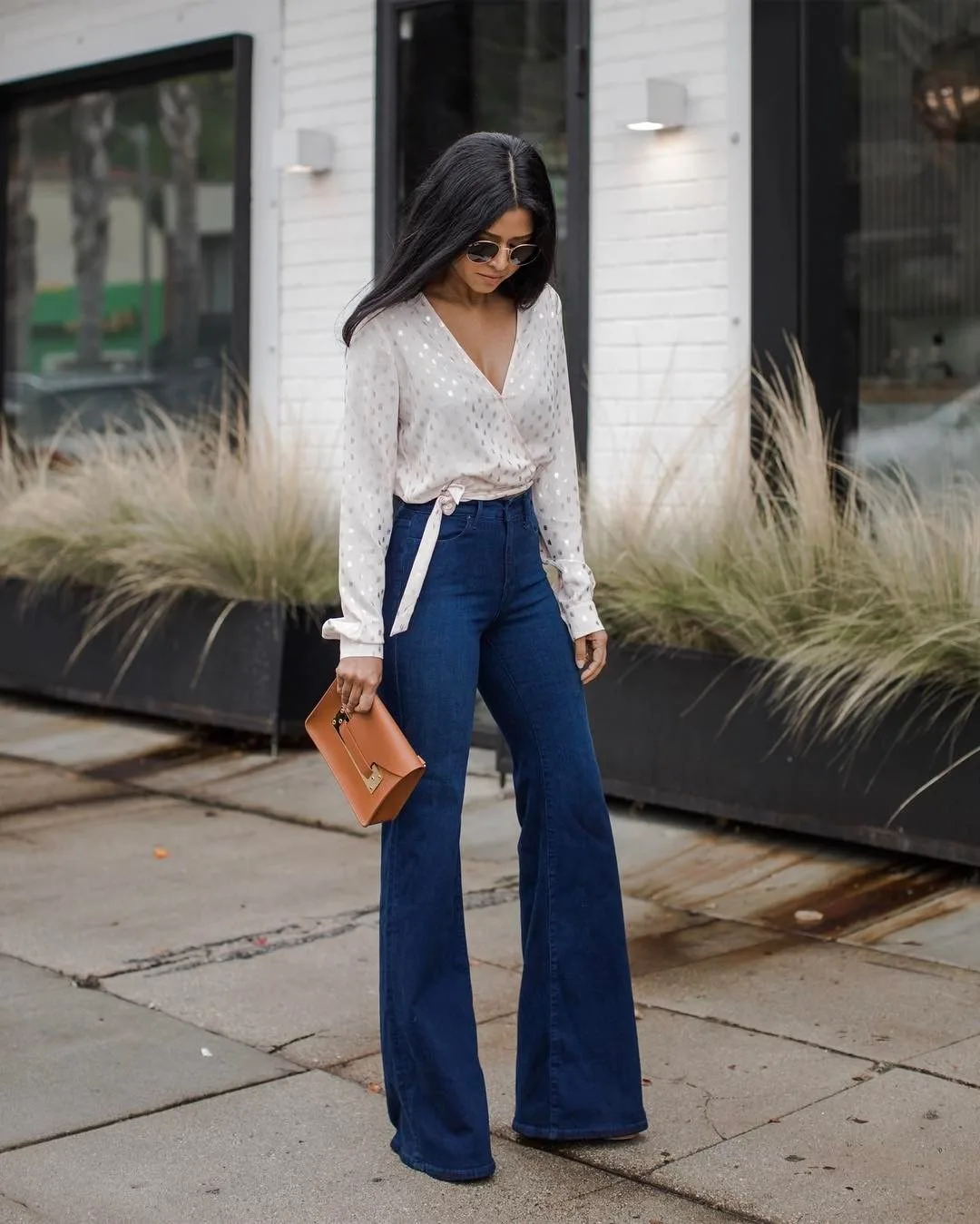
Flare jeans can create a long, continuous leg line, particularly when the hem nearly reaches the top of your shoes. The flare balances the shape of the hips and creates movement toward the floor.
The most important detail is the length. Your jeans should cover most of the shoe without dragging on the ground.
Try wearing flare jeans with a fitted top, tucked blouse, or cropped jacket. A small heel underneath can also help the hem fall at the right point.
Turtlenecks
A turtleneck gives the upper half of an outfit a clean, uninterrupted appearance. A fitted or semi-fitted version can work especially well under a blazer, cardigan, or coat.
For petite proportions, avoid excessive fabric around the neck if it makes your upper body look crowded. A streamlined turtleneck is usually easier to layer.
Pair one with high-rise trousers or a high-waisted skirt for a simple outfit that emphasizes vertical proportions.
Long necklace
A long necklace creates a vertical accessory line through the center of an outfit. It can be especially effective over a simple top, dress, or turtleneck.
Choose a pendant length that works with your neckline rather than letting the necklace compete with other accessories.
A simple gold or silver pendant can add this styling detail without making the outfit feel busy.
Hat
A hat adds visual interest above the shoulders and can give an outfit a little extra height. It is also an easy way to change the personality of a simple outfit.
Petite women may find medium or smaller hat shapes easier to balance than extremely oversized styles. The goal is to complement your proportions rather than hide them.
Try a structured fedora, simple felt hat, baseball cap, or narrow-brim style depending on the season and your personal taste.
Deep V-neck
A V-neck draws attention toward the center of the body and creates an open neckline. This can make the upper portion of an outfit feel longer and less visually crowded.
A deeper V-neck does not have to mean showing a lot of skin. A moderate V shape can create the same directional effect while still feeling comfortable and appropriate.
Pair a V-neck blouse with high-rise jeans or trousers for a balanced combination that emphasizes both the neckline and waist.
Cropped pants
Cropped trousers expose part of the lower leg, which can create a lighter and more open look around the ankles.
The best length depends on your proportions. A hem that finishes around the ankle can work particularly well with pointed flats, loafers, sandals, or low heels.
Try cropped straight-leg jeans, ankle trousers, or carefully cuffed denim when you want to experiment with this styling idea.
Roll-up sleeves
Rolling your sleeves to just below the elbow can make a shirt or jacket feel less bulky. It also exposes part of the arms and creates a cleaner break in a layered outfit.
This works particularly well with button-down shirts, lightweight jackets, denim jackets, and casual blazers.
Keep the fold neat rather than creating a large amount of fabric around the arms. A simple two-roll cuff usually looks polished.
Structured jacket
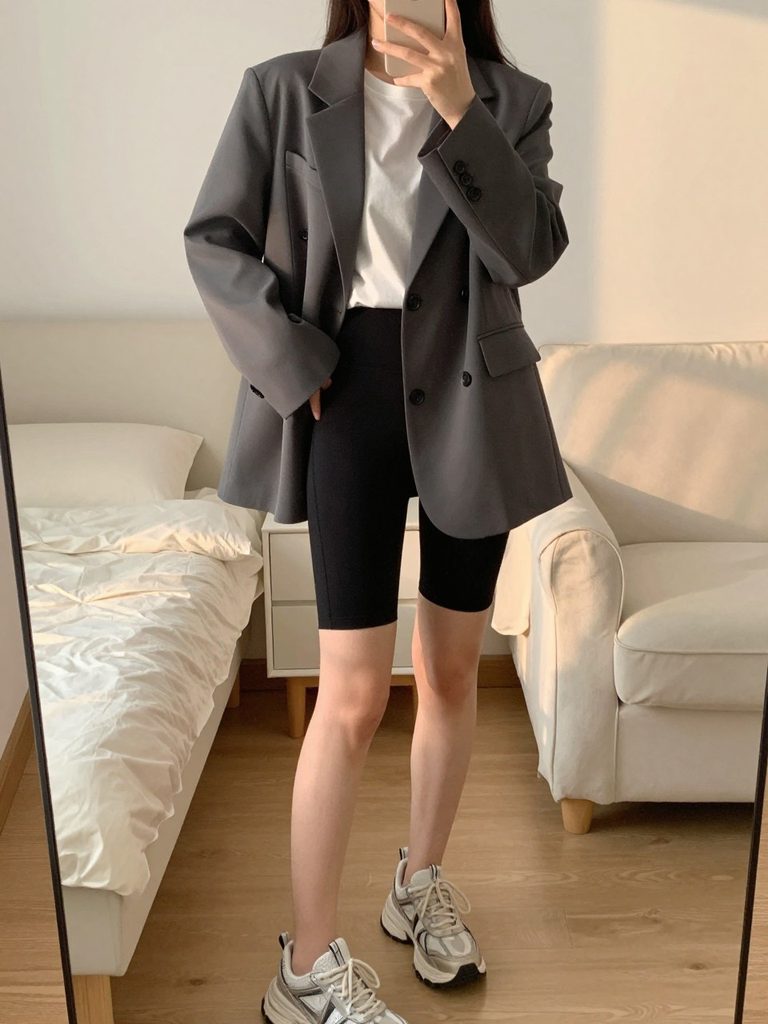
A structured jacket can give your outfit a defined shape instead of allowing layers to fall loosely around your frame.
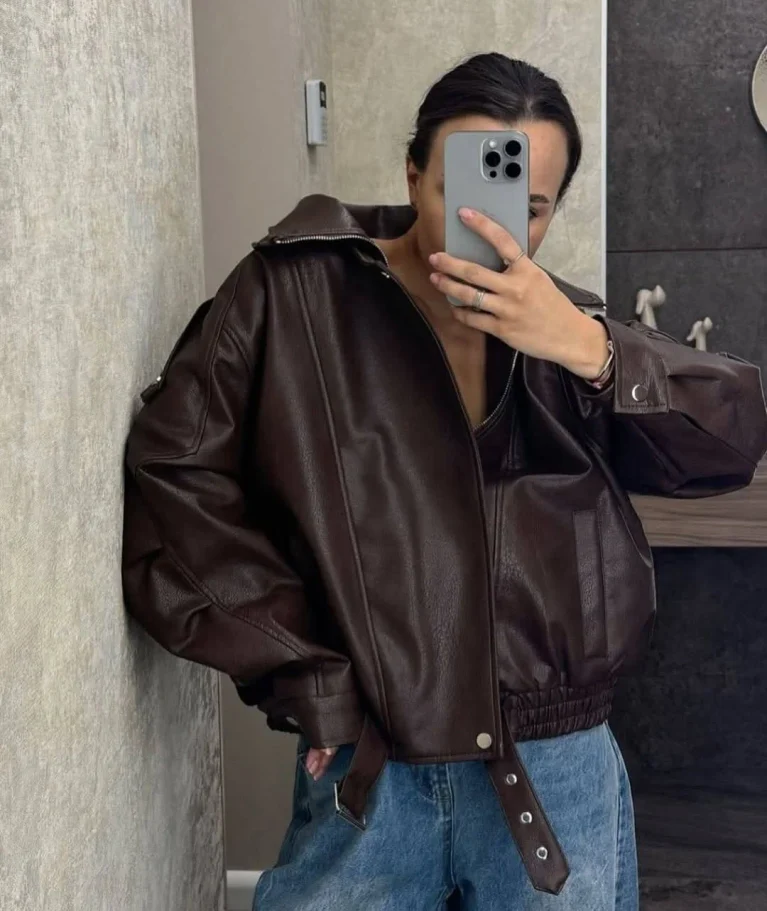
Blazers with shaped seams, defined shoulders, or a subtle waist can be especially useful. A belted blazer can also emphasize the waist and give a more intentional silhouette.
That does not mean oversized clothing is forbidden. If you enjoy relaxed pieces, balance one loose item with a more fitted or structured piece elsewhere in the outfit.
Vertical stripes
Vertical stripes naturally guide the eye up and down the body. They can be useful when you want an outfit to have a stronger vertical direction.
Pinstripes, narrow vertical lines, and subtle striped fabrics are easy choices for workwear, dresses, shirts, and trousers.
If you love horizontal stripes, you do not need to remove them from your wardrobe. Simply choose the scale and placement that make you feel comfortable and confident.
Nude shoes
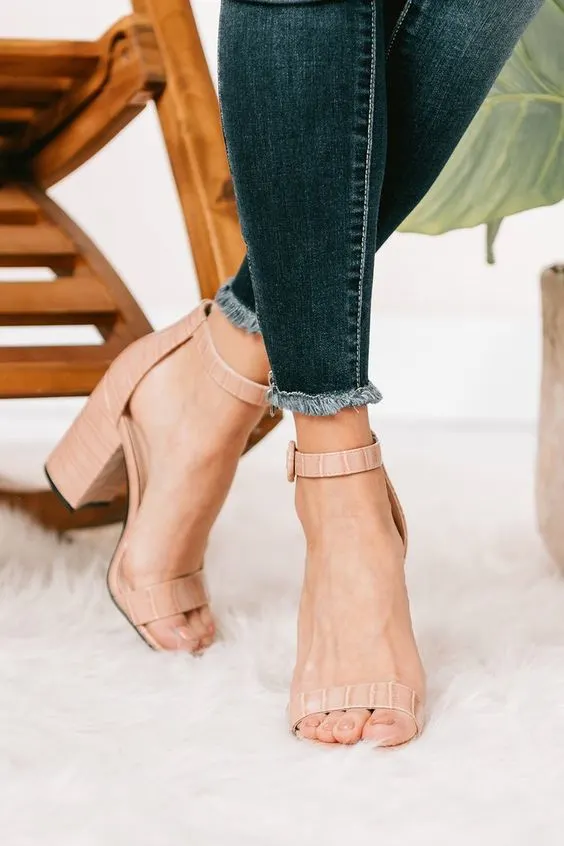
Shoes that are close to your skin tone can reduce the visual break between your footwear and your legs. This can make the legs appear to continue farther toward the floor.
You can use this idea with flats, sandals, pumps, or low heels. The closest shade to your own skin tone usually creates the most seamless effect.
If you prefer colorful shoes, keep wearing them. A matching shoe and trouser color can create a similar uninterrupted line.
Monochromatic outfits
A monochromatic outfit uses one dominant color or several shades from the same color family. Because there are fewer strong horizontal color breaks, the overall outfit can appear more continuous.
Black is an easy option, but monochromatic dressing works with almost any color. Try cream, navy, chocolate brown, olive, burgundy, gray, or denim blue.
For example, combine a navy blouse with navy trousers and a slightly lighter navy coat. The result is simple, coordinated, and easy to accessorize.
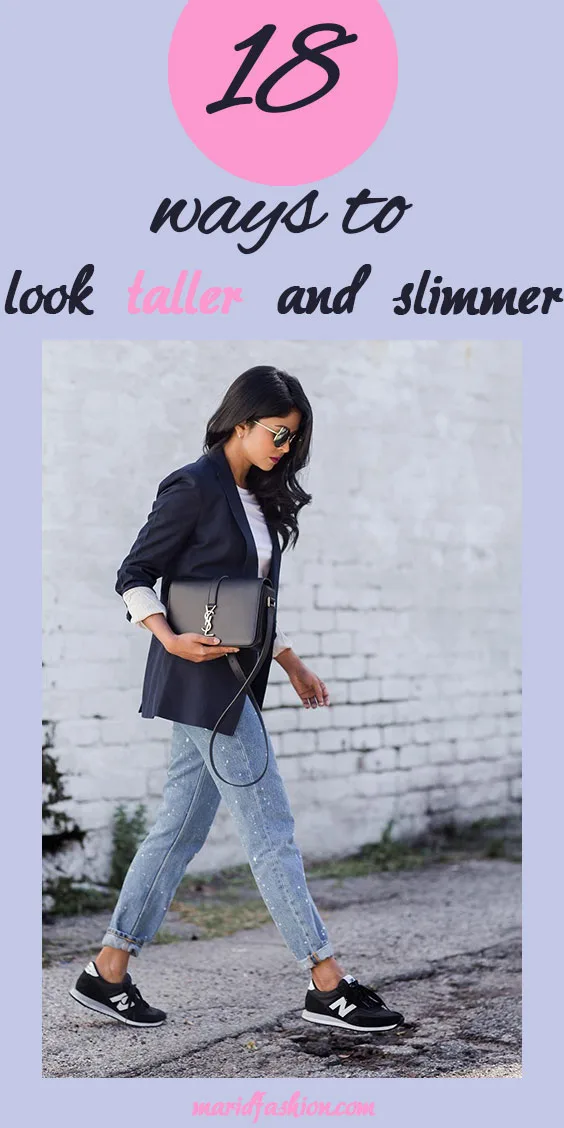
The most important thing is to choose clothes that fit well and make you feel comfortable. Styling tricks can change visual proportions, but there is no single formula that every petite woman needs to follow.
Start with one or two ideas at a time. Try a tucked top with high-rise trousers, pointed flats with ankle-length pants, or a monochromatic outfit with a long necklace.
Once you find the proportions you enjoy, you can build more outfits around them while keeping your own personality and comfort at the center of your style.