25 February Style Inspirations for Your NYC Trip (Get Ready for #15!)
Planning a February trip to New York City means preparing for cold sidewalks, brisk wind, changing temperatures, and plenty of walking. The trick is to build outfits around warm layers while still leaving room for personal style.
A good NYC winter wardrobe does not have to be complicated. Start with dependable basics, choose practical footwear, and use coats, scarves, hats, and accessories to give each outfit its own personality.
Here are 25 February outfit ideas to help you plan a comfortable and stylish NYC travel wardrobe.
1. Cozy Oversized Sweaters
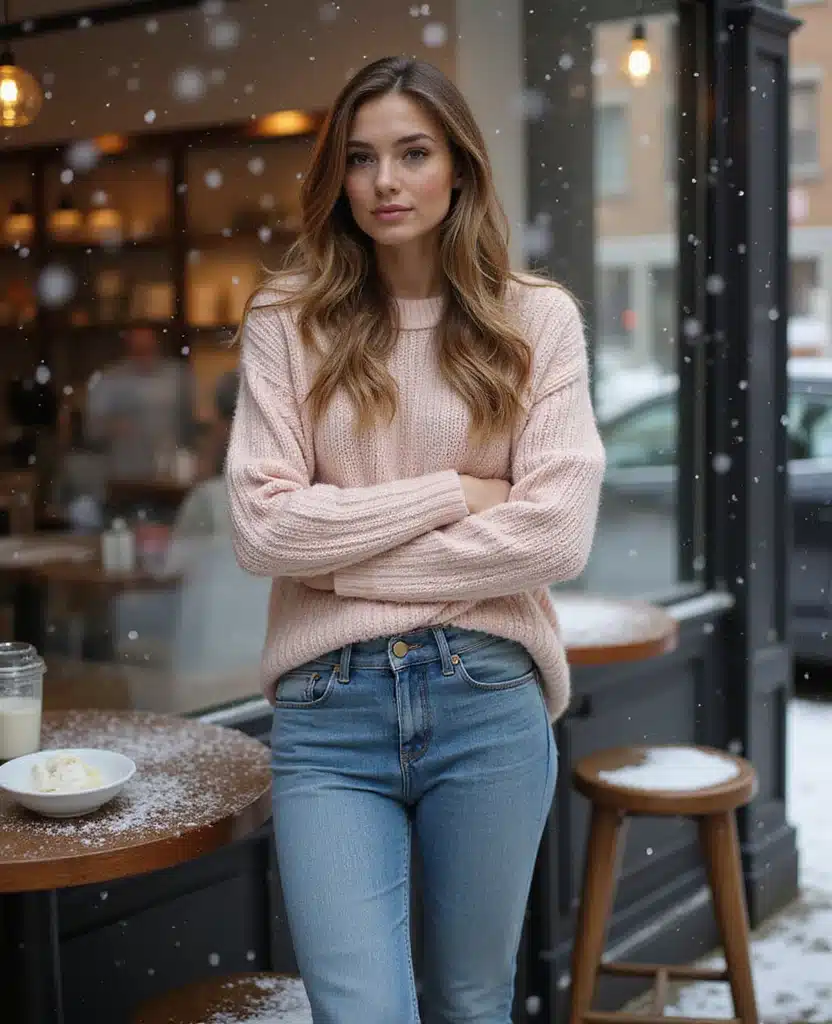
An oversized sweater is one of those winter pieces that earns its place in a travel suitcase. It is comfortable for long sightseeing days and easy to combine with jeans, leggings, trousers, or skirts.
For a balanced outfit, pair a relaxed sweater with straight-leg jeans or fitted pants. A longer coat can provide an extra layer when you are outside, while ankle boots finish the outfit without making it feel overly formal.
Neutral shades such as oatmeal, gray, chocolate brown, and cream are particularly easy to coordinate with other pieces.
- Choose a knit that leaves room for a thin base layer underneath.
- Pair loose sweaters with more streamlined bottoms.
- Add a long coat for extra protection from cold wind.
- Use earrings, a handbag, or a scarf to personalize the outfit.
Pro tip: Avoid sweaters that are so bulky that they make your coat uncomfortable. Your layers should fit together without restricting movement.
2. Stylish Layered Looks
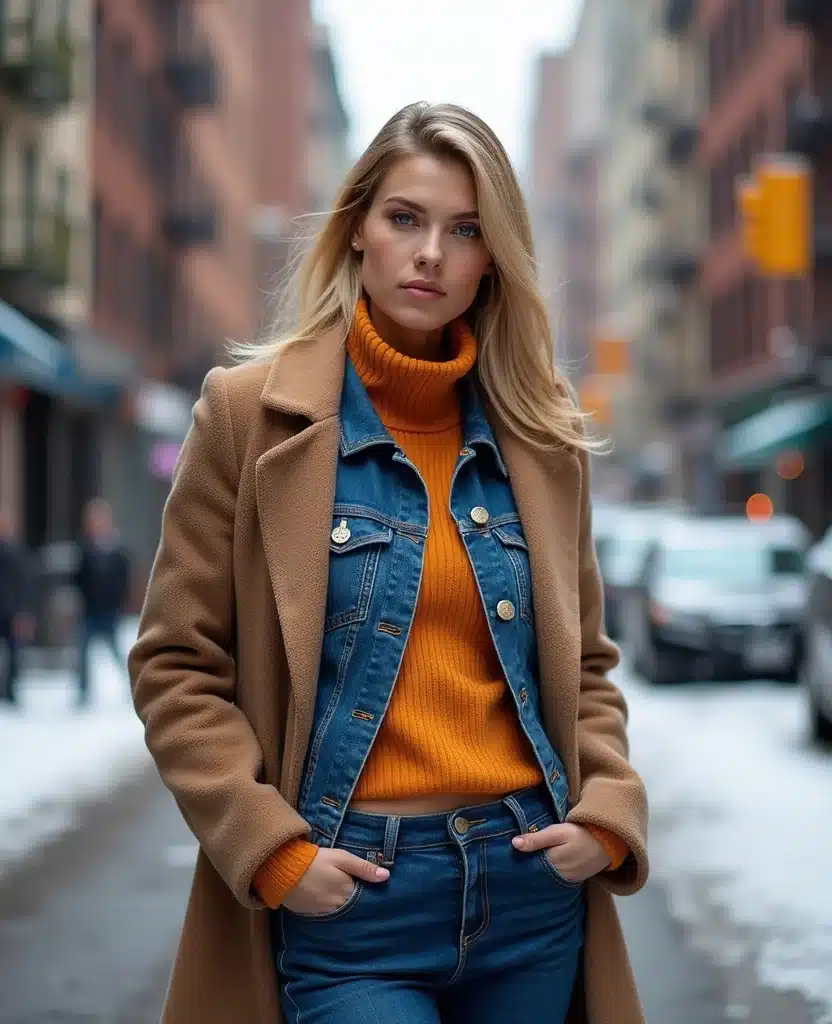
February weather makes layering especially useful. A breathable first layer, warm middle layer, and protective outer layer can be adjusted throughout the day.
Try a fitted long-sleeve top under a cardigan, then add a wool coat or insulated jacket. You can also combine different materials, such as a knit sweater with denim or faux leather.
The goal is to create warmth without piling on so many thick pieces that the outfit becomes difficult to move in.
- Begin with a comfortable base layer.
- Combine different fabrics to create visual depth.
- Keep your colors coordinated for an intentional look.
- Choose layers that can be removed easily indoors.
Pro tip: New York restaurants, shops, museums, and subway stations can feel much warmer than the street. Removable layers make the transition easier.
3. Chic Scarves
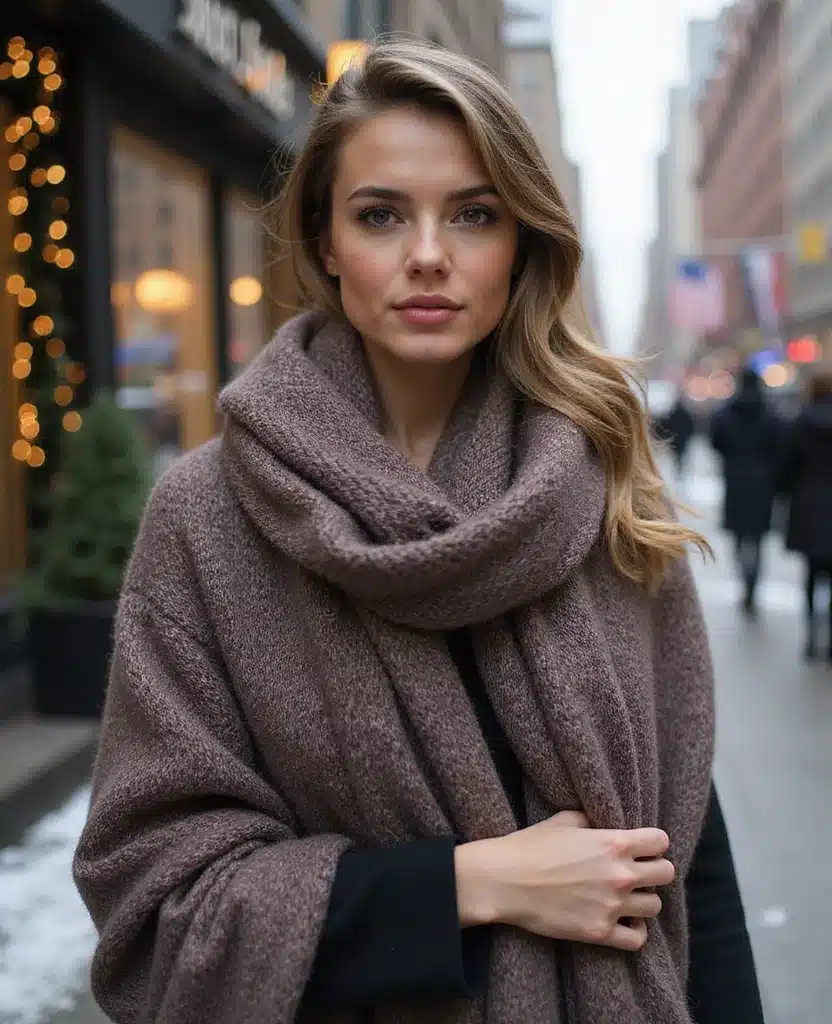
A scarf can completely change a winter outfit while also protecting your neck from cold air. Oversized wool, cashmere, or soft blended scarves work especially well with simple coats.
If your outerwear is neutral, use a scarf to introduce plaid, stripes, burgundy, forest green, or another accent shade.
You can wrap it closely around your neck for maximum warmth or leave it loosely draped when the weather is milder.
- Choose soft, warm materials for outdoor days.
- Use prints to add interest to plain outerwear.
- Coordinate the scarf with your shoes or handbag.
- Pick a size that can actually provide useful coverage.
Pro tip: A generously sized scarf can double as a light wrap when you are sitting in a chilly restaurant or traveling between destinations.
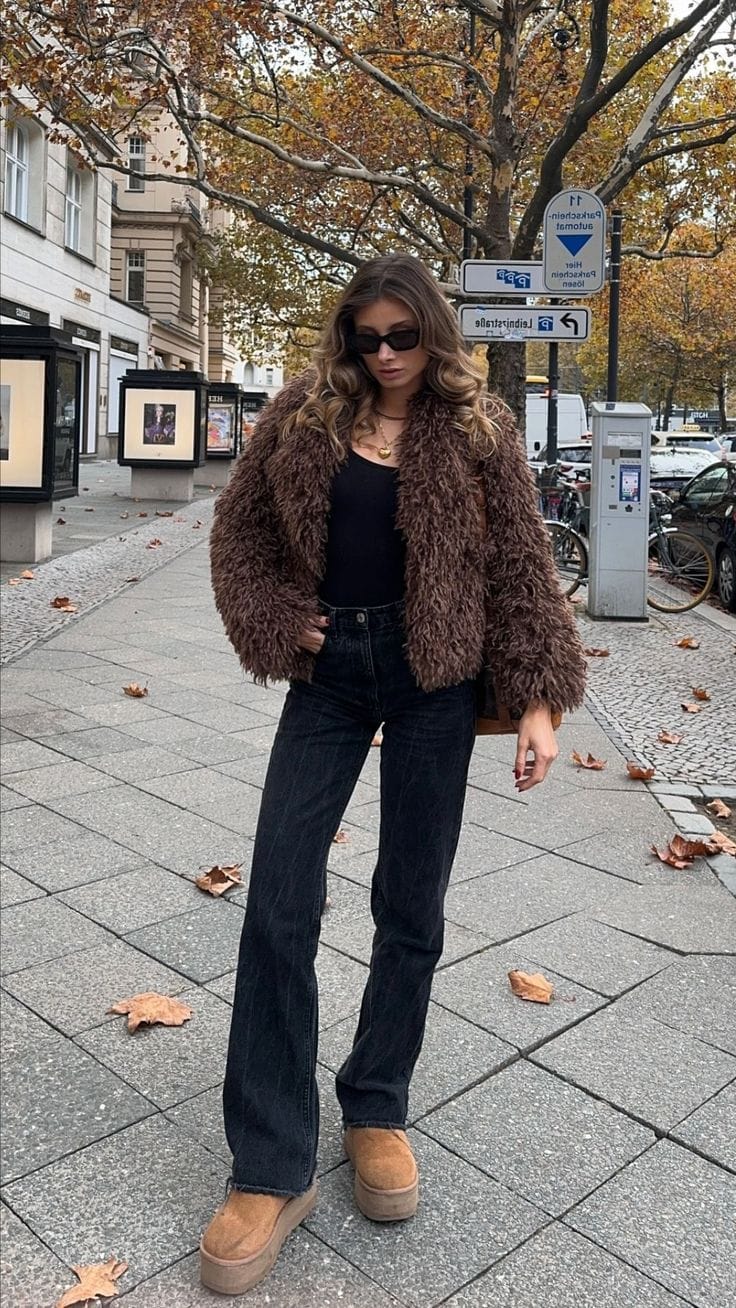
4. Statement Coats
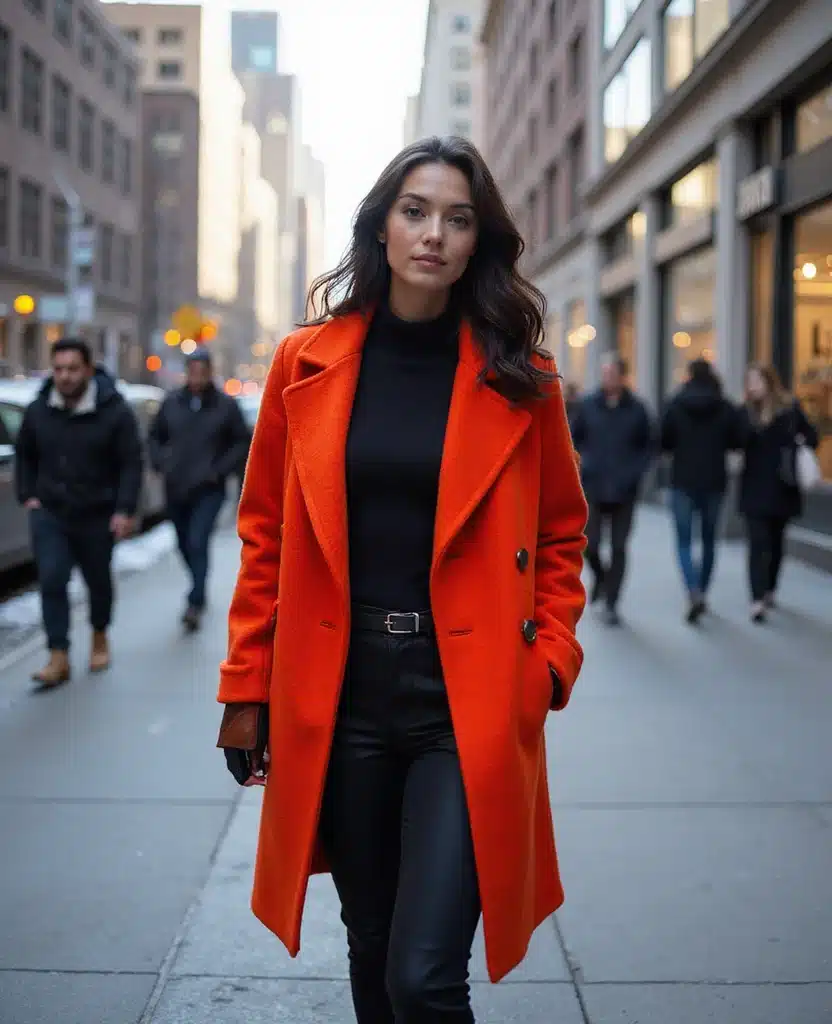
Your winter coat will probably be the most visible part of your outfit, so it is worth choosing one that works with several looks.
A colorful wool coat, patterned outer layer, faux-fur style, or distinctive oversized silhouette can turn a simple sweater-and-jeans combination into a complete outfit.
If your coat is dramatic, keep the pieces underneath relatively simple. That makes the outerwear the focal point without creating too many competing elements.
- Consider bold colors or interesting patterns.
- Choose a coat with enough room for your layers.
- Neutral clothing underneath keeps statement outerwear versatile.
- Look for useful details such as deep pockets and secure closures.
Pro tip: For sightseeing, warmth and weather protection should come before appearance. A beautiful coat that leaves you cold will not be useful on a full day outdoors.
5. Playful Hats
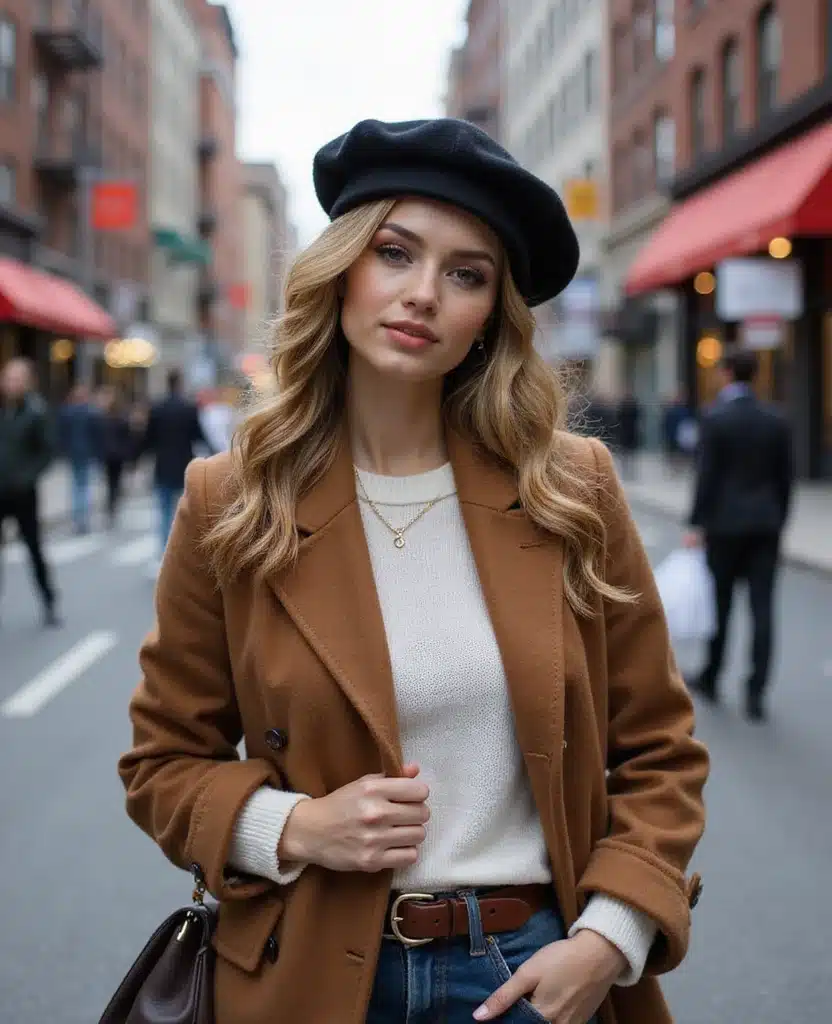
A winter hat is both a practical accessory and an easy way to change the personality of an outfit.
Beanies create a relaxed appearance, while berets can give a tailored coat a more polished feel. A structured wool hat can also work with trousers and boots when you want something more refined.
Choose a style that stays securely on your head, especially when walking through windy streets.
- Coordinate the hat with your coat or scarf.
- Use contrasting colors when the rest of your outfit is neutral.
- Consider warm wool or lined materials.
- Choose a shape that feels comfortable for several hours.
Pro tip: Pack one neutral hat for everyday wear and one more distinctive option if you want variety in travel photos.
6. Colorful Boots
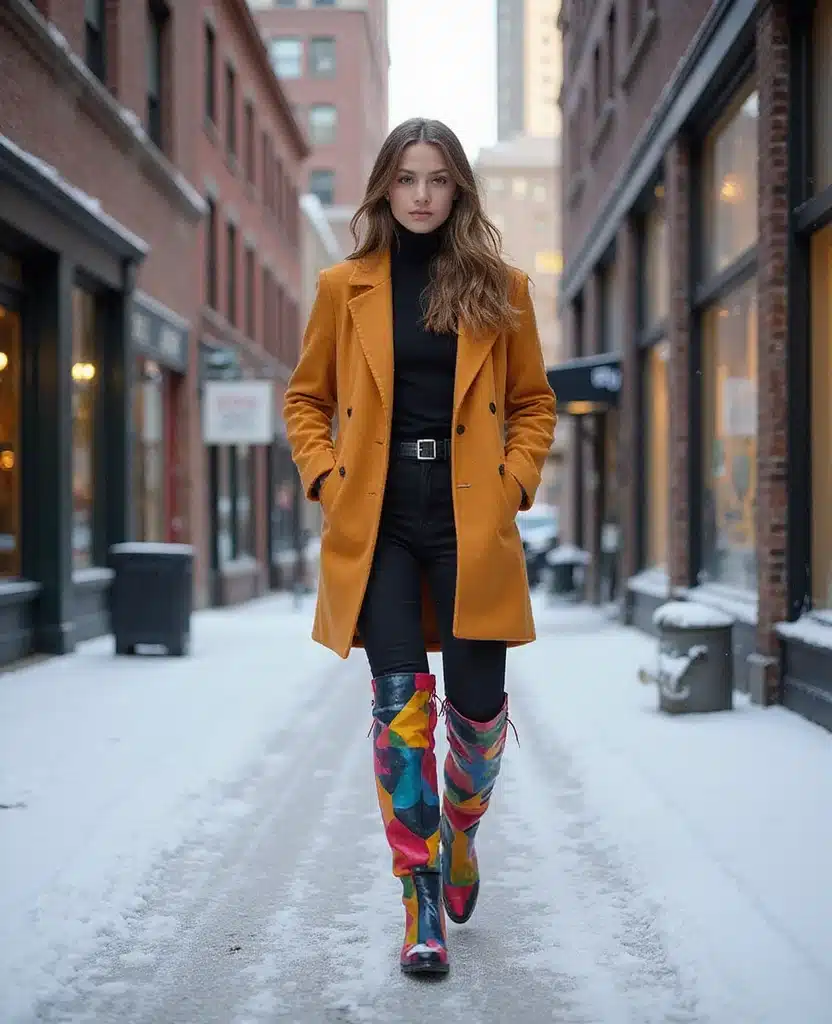
Winter footwear does not have to be limited to black. Burgundy, red, cream, olive, tan, or other shades can add personality to a cold-weather outfit.
The important thing is choosing footwear that can handle a full day of walking. Look for comfortable soles, adequate insulation, and weather resistance when rain, slush, or snow is possible.
Wear colorful boots with simple trousers, jeans, or a neutral coat so the footwear gets attention.
- Use colorful boots as the focal point.
- Keep the rest of the outfit relatively simple.
- Wear warm socks when temperatures are low.
- Prioritize traction and weather resistance.
Pro tip: Break in your boots before your trip. New footwear and 20,000 steps are not a combination you want to test on vacation.
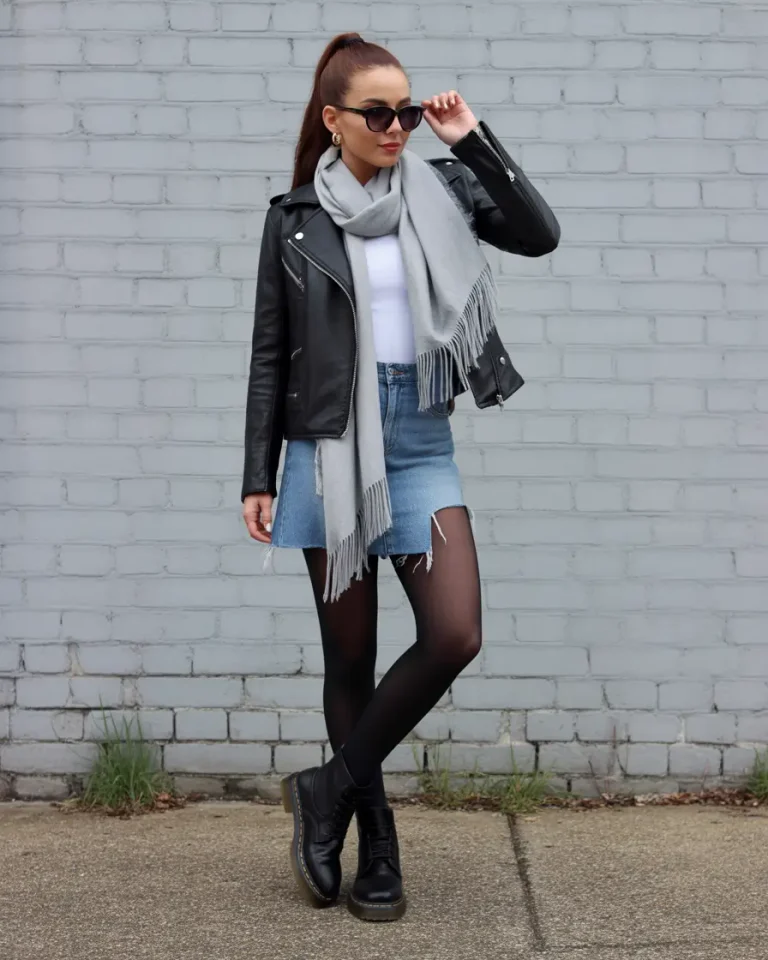
7. Layered Skirts
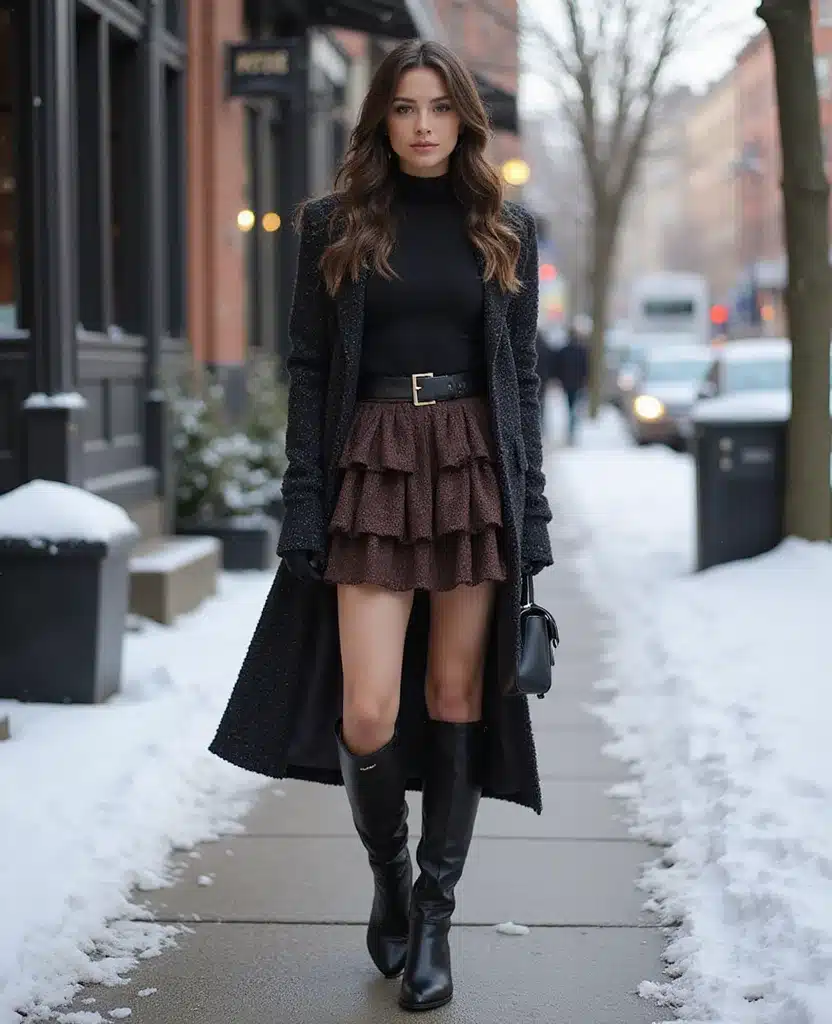
Skirts can still work in February when you build the outfit around proper insulation.
A midi skirt with warm tights, a fitted sweater, and knee-high boots creates a polished winter combination. Denim, wool, corduroy, and heavier woven fabrics can be easier to wear in cold weather than very lightweight materials.
Finish the look with a long coat that provides coverage over the skirt.
- Choose substantial fabrics for colder days.
- Add thermal or fleece-lined tights when needed.
- Pair fitted tops with fuller skirts or vice versa.
- Select boots that provide warmth as well as style.
Pro tip: Check the weather before choosing a skirt outfit. On especially windy or snowy days, trousers may be considerably more practical.
8. Bold Accessories
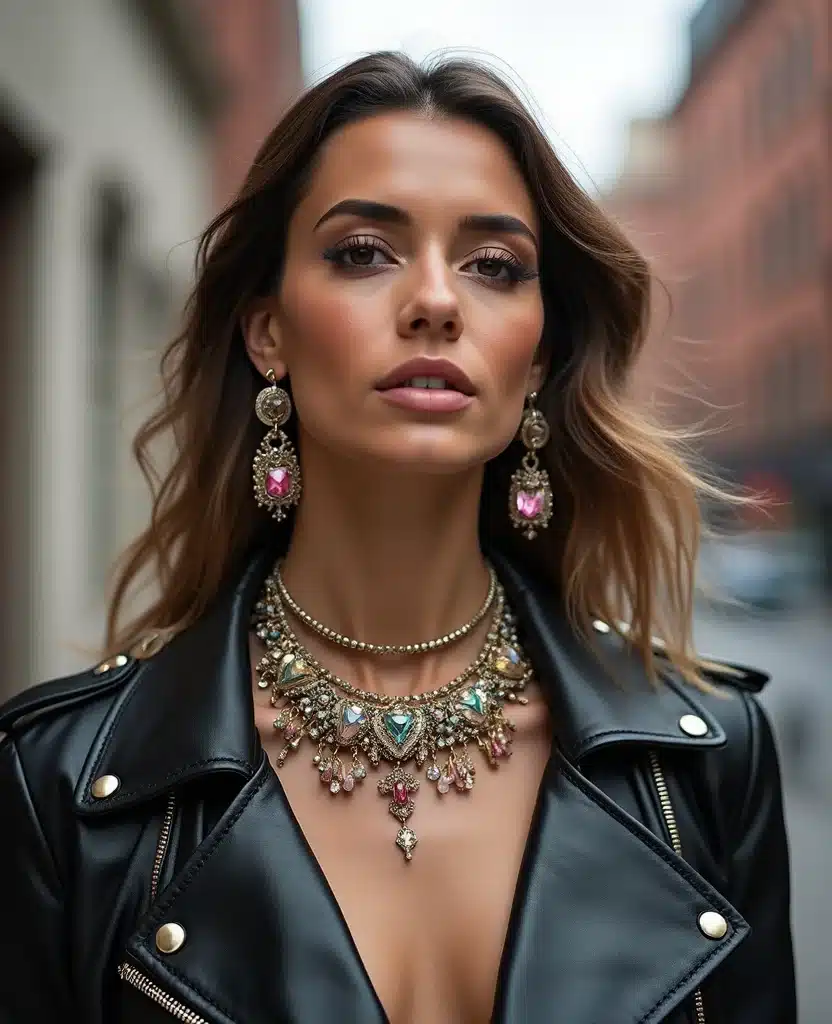
Winter clothing often relies on similar silhouettes, so accessories are an easy way to make an outfit feel individual.
Large hoops, layered necklaces, rings, bold handbags, or an eye-catching belt can add interest to a basic coat-and-knit combination.
Because scarves and coats already occupy much of your upper body, consider choosing one or two standout accessories rather than wearing everything at once.
- Let one accessory become the main focal point.
- Combine different finishes and materials thoughtfully.
- Use jewelry to brighten simple winter outfits.
- Keep comfort in mind when sightseeing.
Pro tip: Keep expensive or sentimental jewelry to a minimum when traveling. A few versatile pieces can create plenty of different looks.
9. Tailored Trousers
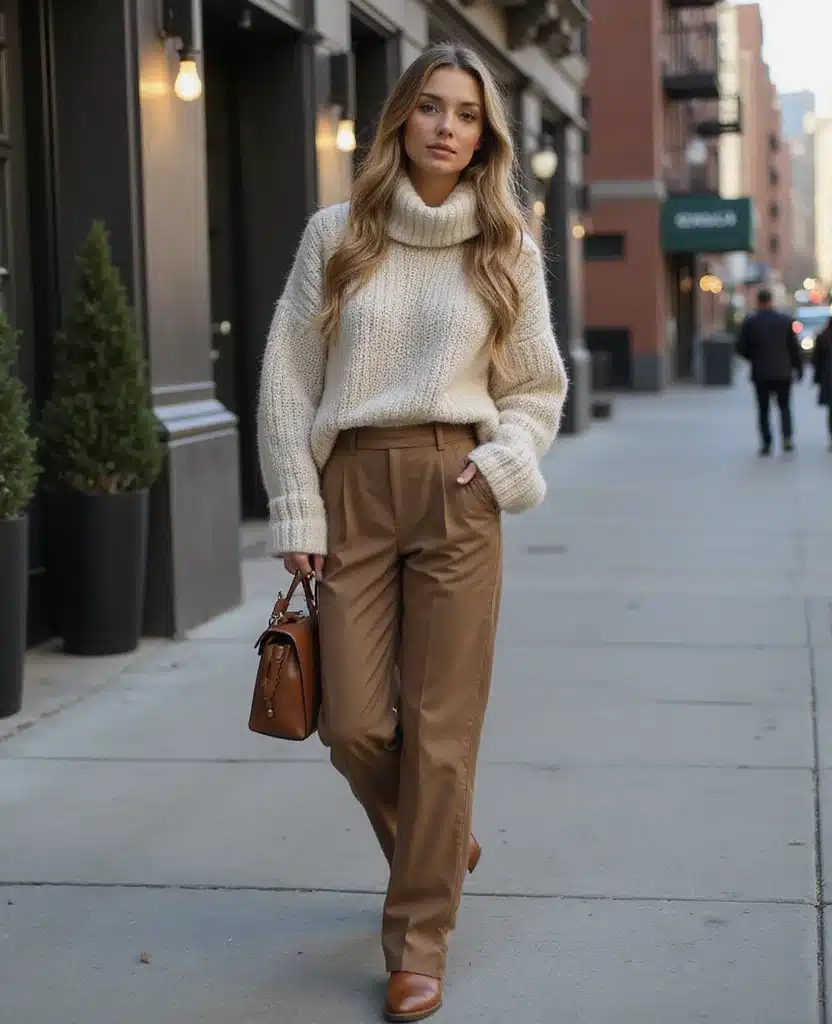
Tailored trousers are useful when you want an outfit that looks polished without feeling overly dressy.
High-rise trousers in black, charcoal, camel, navy, or gray can work with turtlenecks, sweaters, blouses, and structured jackets.
For a relaxed winter look, combine wide-leg trousers with a fitted knit. A straighter trouser works well with an oversized sweater or long coat.
- Choose comfortable waistbands for long walking days.
- Look for fabrics with some structure and warmth.
- Add a belt to define the waist.
- Pair cropped trousers with boots that provide adequate coverage.
Pro tip: Try your complete outfit with the coat before traveling. Some trouser-and-sweater combinations look great indoors but become restrictive once a heavy coat is added.
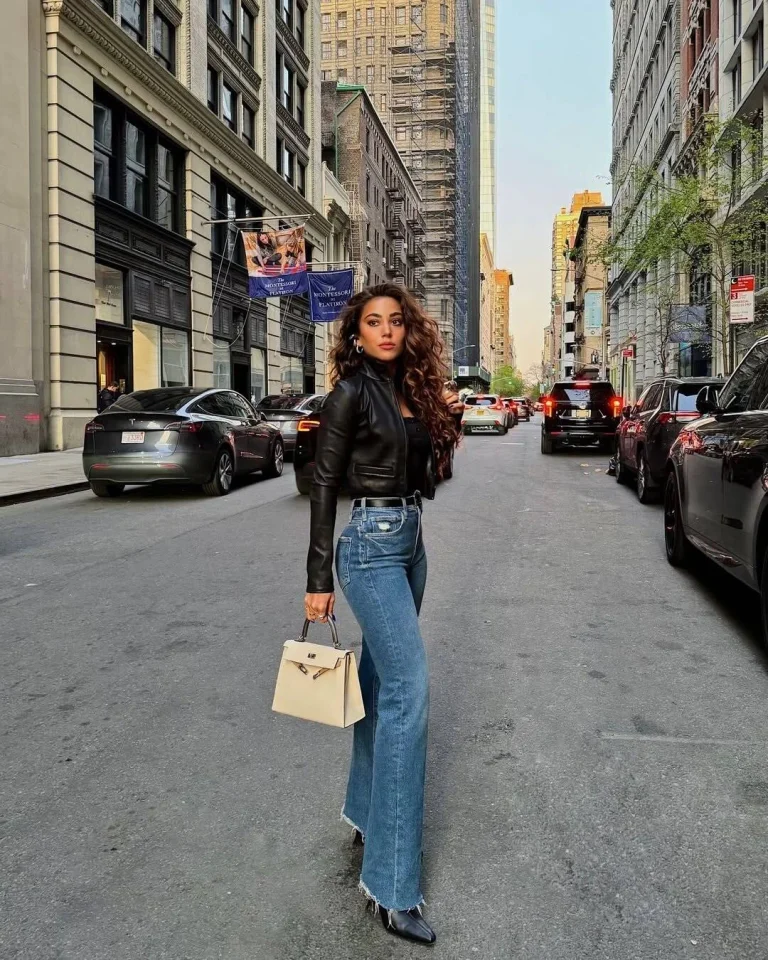
10. Layered Denim
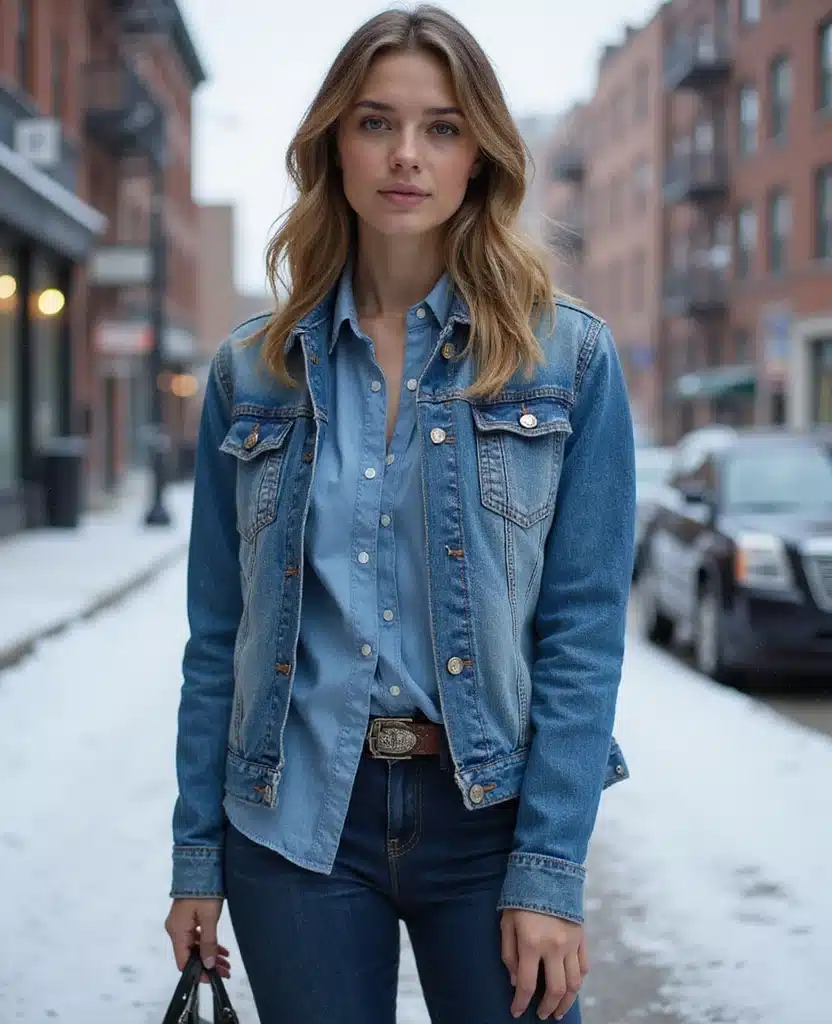
Denim is an easy travel staple because it works with almost everything. During February, you can use denim as one part of a layered outfit rather than relying on it as your primary source of warmth.
A denim shirt can sit underneath a cardigan or sweater, while a denim jacket can work under a roomier coat when temperatures allow.
Different denim washes can also create contrast without introducing additional colors.
- Combine different denim shades carefully.
- Add knitwear to soften the overall look.
- Wear practical boots or comfortable sneakers when conditions permit.
- Use a scarf to add warmth and break up the layers.
Pro tip: Denim itself is not especially insulating, so treat it as a style layer and use thermal or warmer pieces underneath when necessary.
11. Eco-Friendly Fabrics
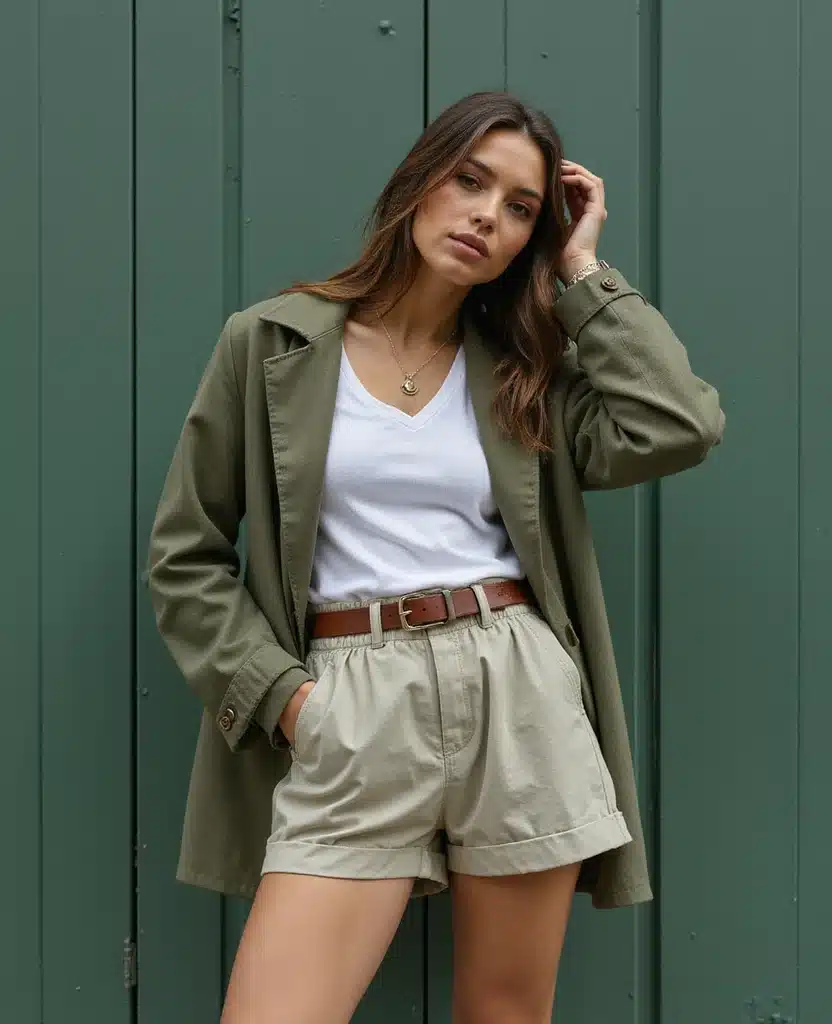
A winter travel wardrobe can include more consciously chosen materials without sacrificing style.
Organic cotton, recycled fibers, responsibly sourced wool, hemp blends, and other lower-impact materials are options worth considering when shopping for new pieces.
You can also make a more sustainable wardrobe simply by choosing versatile garments that you will wear repeatedly instead of buying something specifically for one trip.
- Check garment labels before purchasing.
- Choose durable pieces that can handle repeated wear.
- Consider secondhand stores for coats and sweaters.
- Build outfits around items you already own.
Pro tip: The most useful sustainable travel piece is often the one you already have and can wear in several different combinations.
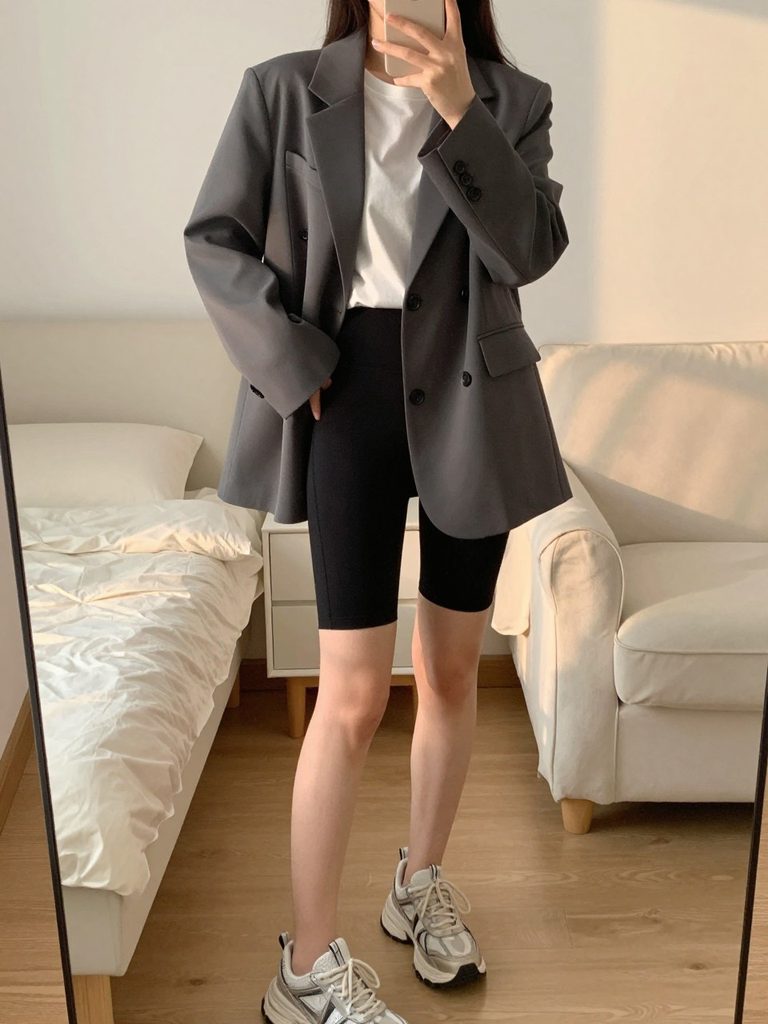
12. Athleisure Looks
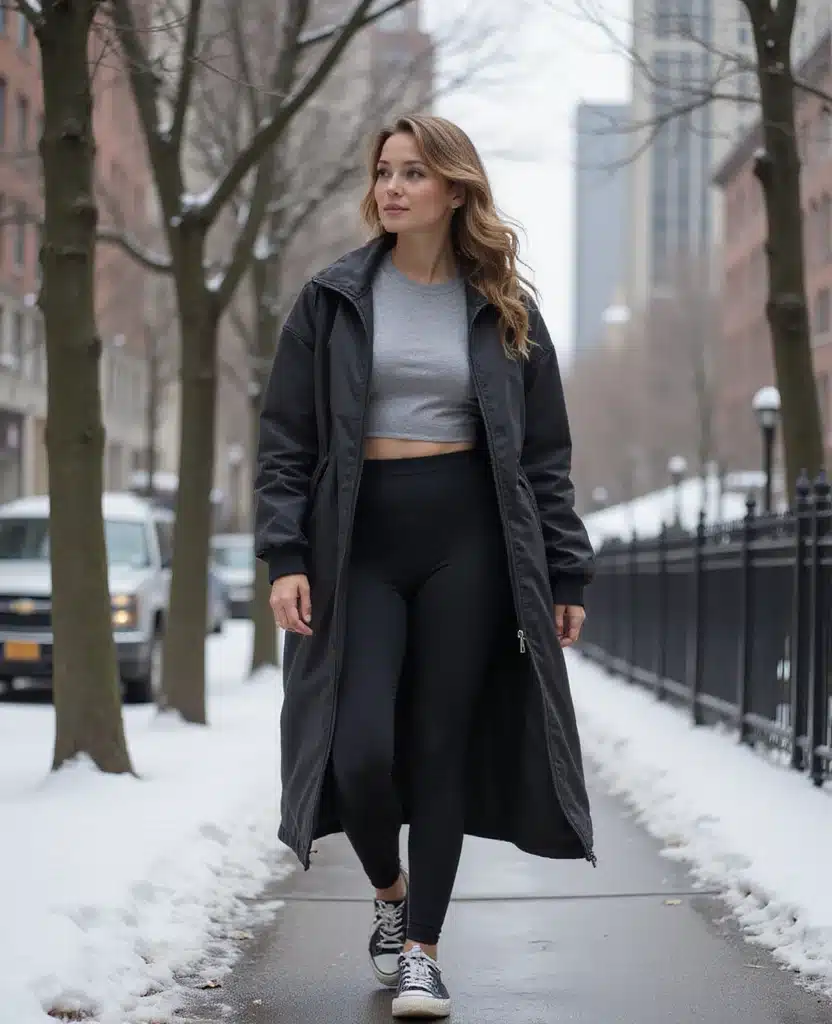
Athleisure is ideal for travel days when comfort is a priority. Leggings, relaxed trousers, sweatshirts, sneakers, and sporty jackets can look polished when combined thoughtfully.
Try fitted leggings with an oversized sweater and structured coat, or wear relaxed joggers with a streamlined jacket.
A crossbody bag keeps essentials accessible while leaving your hands free for navigating the city.
- Keep the base outfit simple and coordinated.
- Combine sporty pieces with more structured outerwear.
- Choose supportive shoes for long walks.
- Use a polished handbag or sunglasses to finish the look.
Pro tip: If you plan to walk extensively, select footwear based on comfort and support rather than choosing sneakers purely because they match the outfit.
13. Fleece-Lined Tights
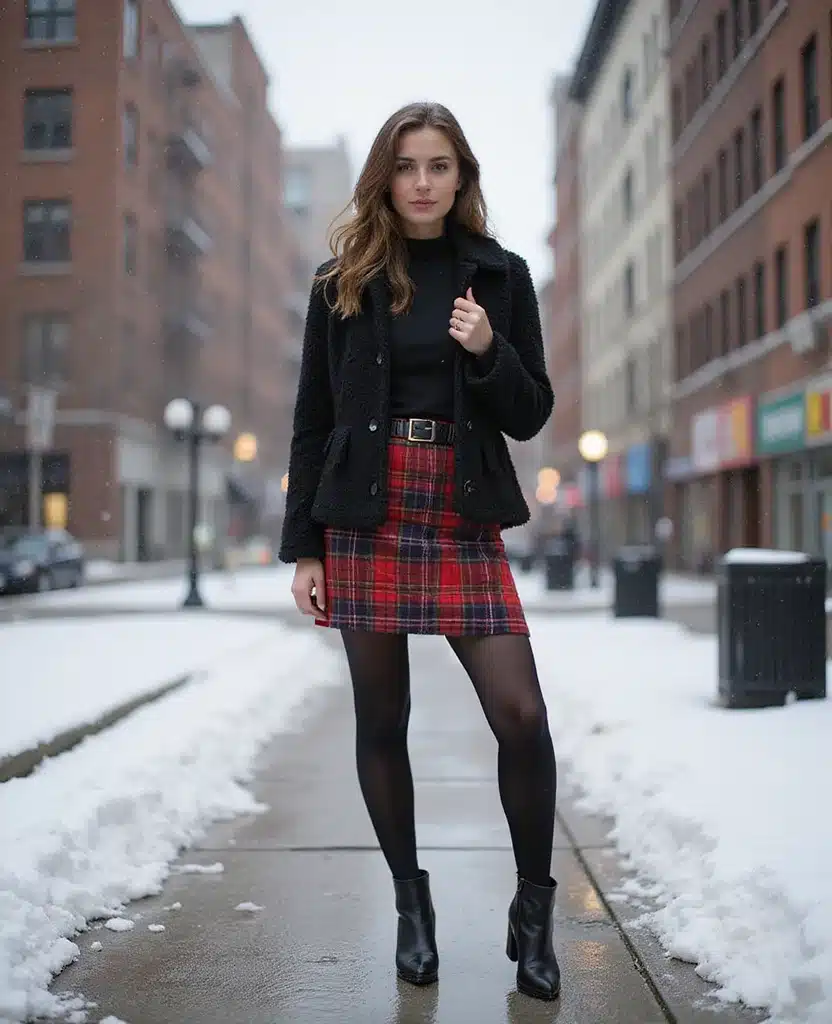
Fleece-lined tights make it easier to wear dresses and skirts when temperatures drop.
They can be worn beneath midi skirts, sweater dresses, or longer dresses and paired with boots for additional coverage.
Opaque black is an especially versatile option, but brown, charcoal, and other neutral shades can work with different winter outfits.
- Look for a comfortable waistband.
- Pair tights with boots that cover the ankle or higher.
- Choose darker shades for easy styling.
- Make sure the tights fit properly without bunching.
Pro tip: Pack an extra pair if skirts are part of your main travel wardrobe. Tights take up little luggage space and are easy to replace if one pair gets damaged.
14. Layered Outerwear
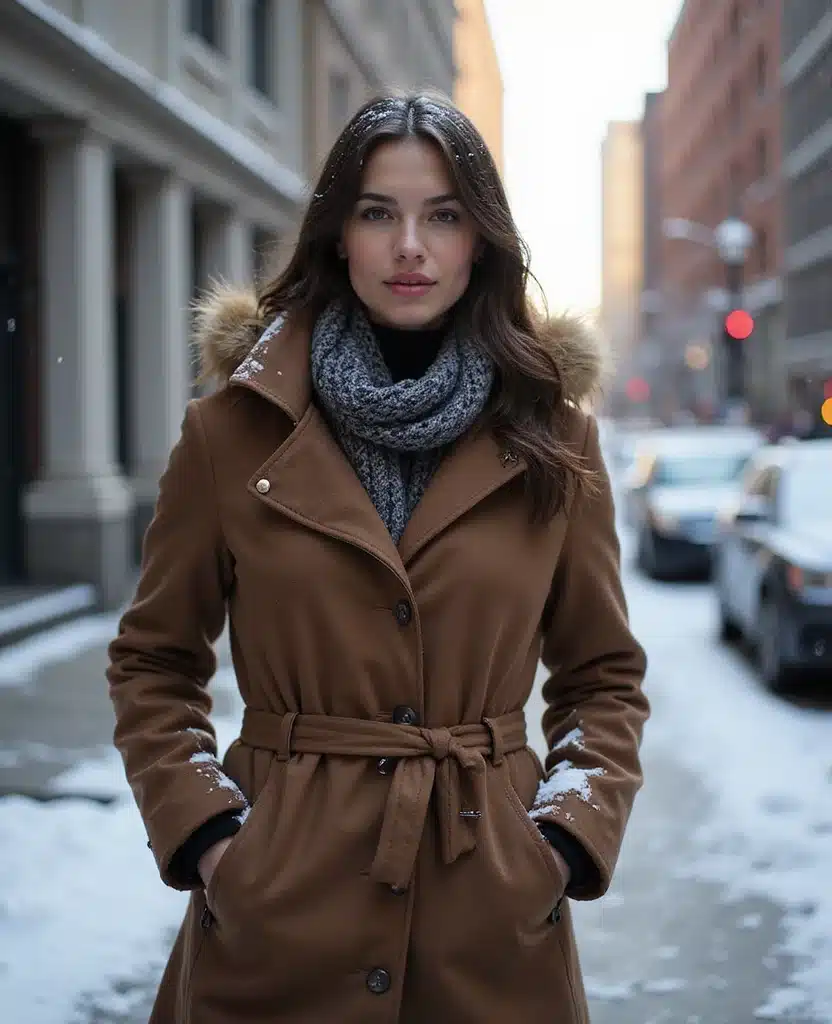
For particularly cold days, layering outerwear can provide another level of insulation.
A lightweight insulated jacket can sometimes fit beneath a roomy wool coat, creating a combination that is warmer than either piece alone.
The key is choosing thin, compressible layers rather than combining several bulky coats.
- Put thinner pieces underneath larger ones.
- Check that your outer coat has enough room through the shoulders.
- Use different lengths to create a deliberate silhouette.
- Keep closures accessible so you can adjust your layers.
Pro tip: Test your outerwear combination before leaving home. Raise your arms, sit down, and walk around to make sure the layers do not restrict movement.
15. Monochrome Magic
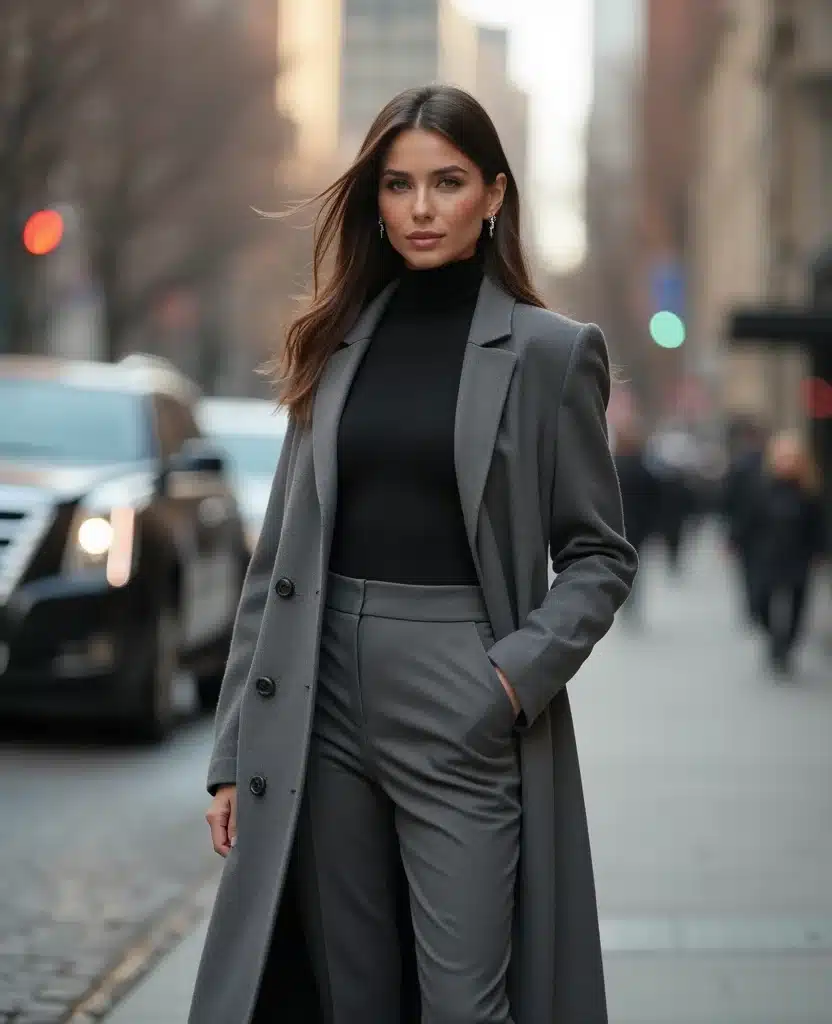
A monochromatic outfit uses different shades of the same color family to create a cohesive appearance.
Try cream with beige, charcoal with gray, or chocolate brown with lighter tan. You can keep the outfit interesting by combining materials such as wool, knitwear, leather, denim, or suede.
This approach is also useful for travel because several pieces can be mixed together without creating a complicated color scheme.
- Combine several shades rather than using exactly one tone.
- Mix textures to keep the outfit visually interesting.
- Match accessories within the same color family.
- Use one contrasting item if you want a stronger focal point.
Pro tip: Photograph your planned outfits before your trip. A monochrome wardrobe makes it easier to create multiple combinations from a smaller number of pieces.
16. Vintage Vibes

Vintage-inspired clothing can give your winter wardrobe a distinctive character.
Try a retro blazer with modern trousers, a printed dress beneath a chunky sweater, or a classic handbag with contemporary denim.
Secondhand stores can be particularly useful for finding unusual coats, bags, scarves, and accessories that do not look identical to current high-street pieces.
- Mix vintage and modern clothing.
- Pay attention to fit rather than relying only on the label.
- Have older garments altered when necessary.
- Use vintage accessories to add personality.
Pro tip: When buying secondhand for a winter trip, inspect buttons, zippers, seams, and lining carefully before purchasing.
17. Warm Wraps and Capes
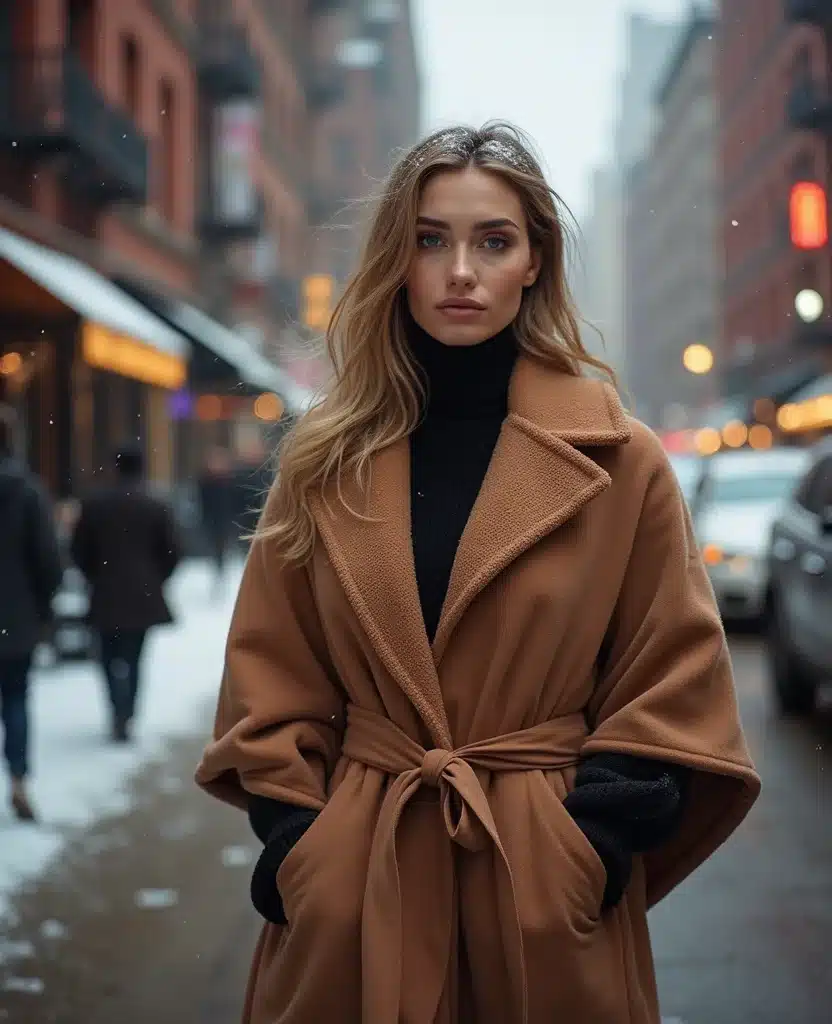
Wraps and capes provide another way to add warmth without the structure of a traditional jacket.
A soft wrap can work over a sweater and trousers, while a cape-style layer can give a simple outfit a more dramatic shape.
They are particularly useful for indoor-to-outdoor outfits because they can be removed quickly when you enter a heated space.
- Choose materials that feel warm against the skin.
- Pair flowing wraps with more fitted clothing.
- Use a belt if you want more waist definition.
- Select patterns that work with your coat and footwear.
Pro tip: A wrap can be useful during flights or train rides as well as sightseeing, making it a practical multi-purpose travel piece.
18. Graphic Tees

A favorite graphic tee can still have a place in a February suitcase. Instead of wearing it alone, use it as a layering piece.
Put it over a thin long-sleeve top or turtleneck, then add a cardigan, blazer, or coat. The graphic becomes a small focal point while the other layers provide warmth.
Choose designs that reflect your personality, whether that means artwork, typography, music references, or simple vintage-inspired graphics.
- Layer tees over or under lightweight long sleeves.
- Add structured outerwear to make the outfit feel more polished.
- Keep accessories simple when the shirt has a busy print.
- Choose comfortable fabrics for travel days.
Pro tip: A graphic tee can be one of your lighter suitcase pieces, so bring one that can work with jeans, trousers, and layered outerwear.
19. Textured Layers
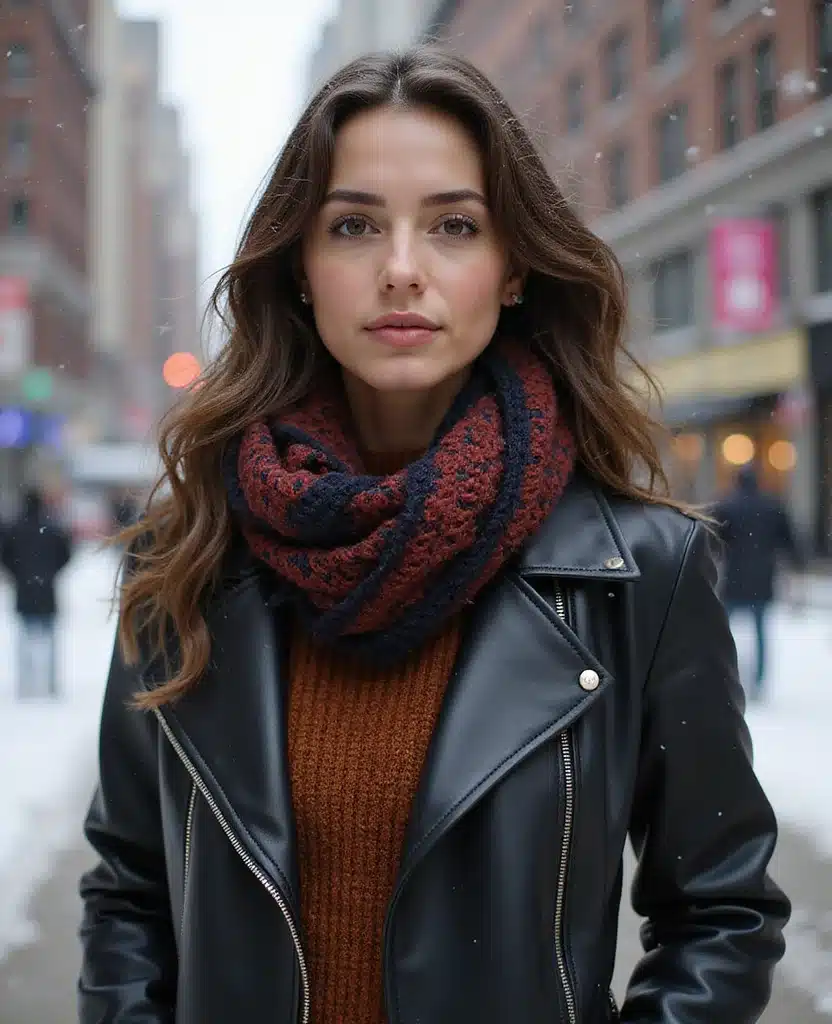
Combining different textures can make a winter outfit look much more interesting without requiring bright colors.
Think ribbed knits with smooth leather, corduroy with wool, suede with denim, or a soft sweater with a structured coat.
When using several textures, keeping the color palette restrained can help the outfit remain cohesive.
- Combine soft and structured materials.
- Use texture to create contrast.
- Keep highly detailed pieces balanced with simpler ones.
- Choose accessories that complement the materials already in the outfit.
Pro tip: Texture is especially effective with neutral outfits. You can create plenty of visual interest without adding multiple patterns or colors.
20. Layered Accessories

Accessories can be layered just like clothing.
Try two or three necklaces of different lengths, several rings, stacked bracelets, or a combination of earrings and a watch.
Hair accessories can also add personality, although winter hats may limit how much you can wear on colder days.
- Combine different necklace lengths.
- Mix delicate pieces with one stronger accessory.
- Coordinate metals if you prefer a polished appearance.
- Remove pieces that become uncomfortable during long walking days.
Pro tip: Pack jewelry in a small organizer instead of loose inside your suitcase. It keeps pieces separated and makes outfit planning much easier.
21. Modern Ponchos
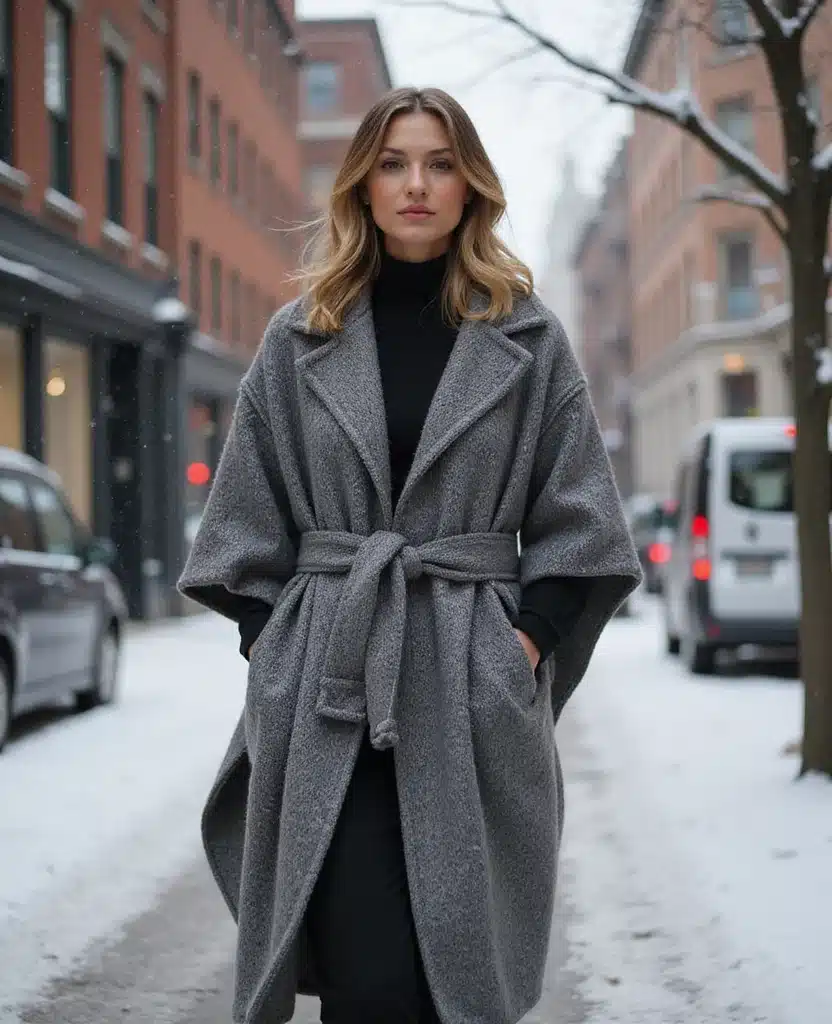
Ponchos offer generous coverage while creating a relaxed, layered silhouette.
For a balanced outfit, wear a roomy poncho with fitted trousers or straight-leg jeans. A turtleneck underneath adds another layer of warmth without competing with the poncho’s shape.
Belts can also be used to create more definition when the garment allows it.
- Choose warm, substantial fabrics.
- Keep the bottom half streamlined.
- Add boots to ground the loose silhouette.
- Look for designs with secure closures if you will be outdoors in windy conditions.
Pro tip: Check how a poncho fits underneath your coat before packing it. Some oversized styles are difficult to layer beneath traditional outerwear.
22. Luxe Loungewear
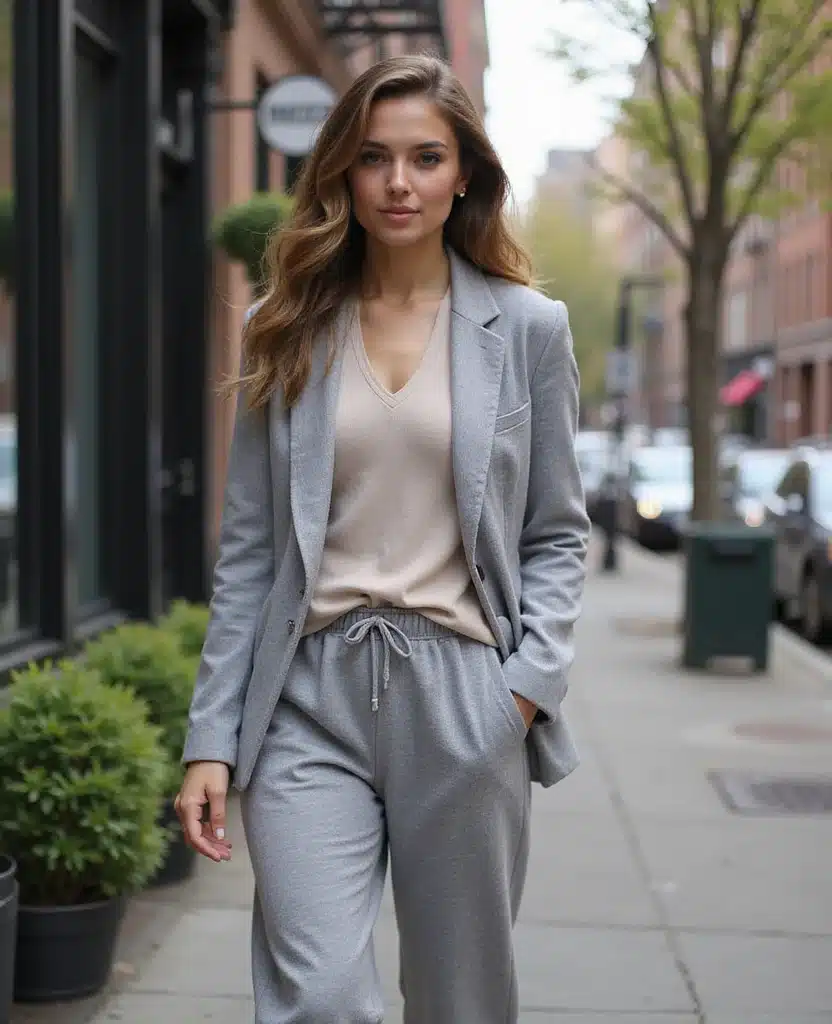
Comfort-focused clothing can still look polished enough for casual city plans.
Soft knit sets, elevated joggers, matching separates, and relaxed sweaters can work for travel days, hotel mornings, coffee runs, or casual brunches.
Add a structured coat, clean sneakers, boots, or a polished bag to make the outfit feel intentional rather than like sleepwear.
- Choose coordinated colors for a cleaner appearance.
- Look for soft fabrics that feel good during long travel days.
- Add a structured outer layer.
- Keep accessories understated.
Pro tip: Matching sets are especially useful for packing because each piece can be worn separately with other items in your suitcase.
23. Bright Colors
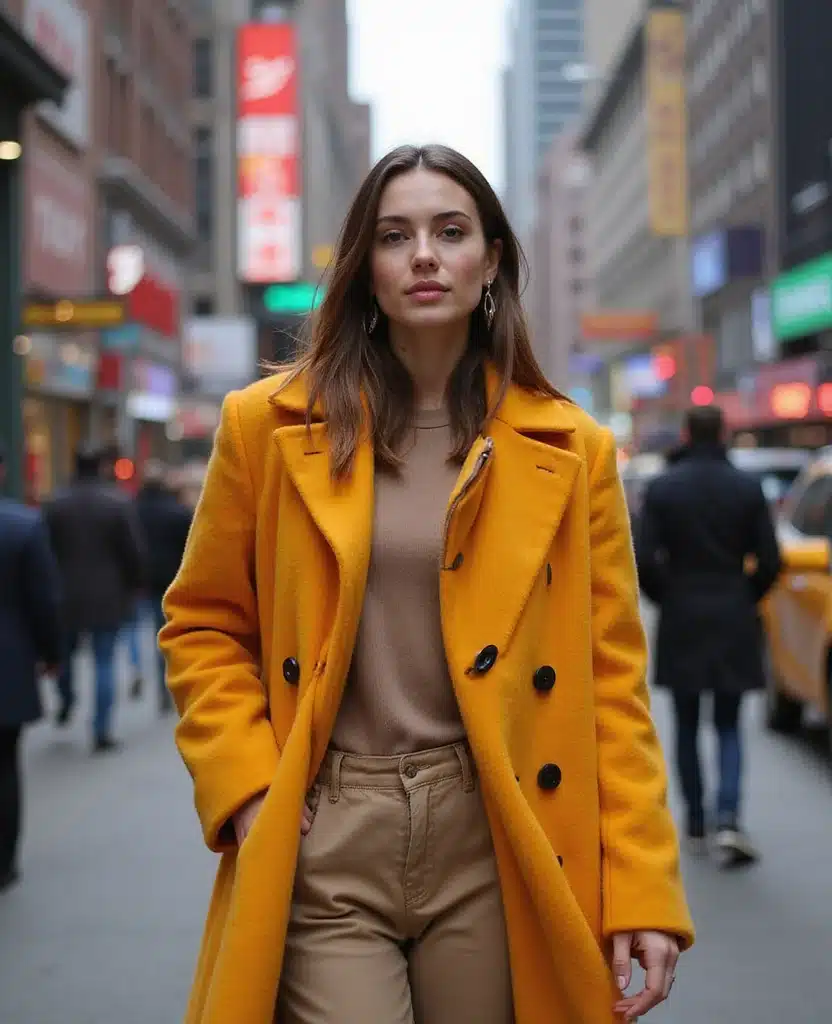
Winter does not require an all-neutral wardrobe. A bright color can add energy to an otherwise simple February outfit.
If a vivid coat feels like too much, introduce color through a handbag, scarf, gloves, hat, or sweater.
Color blocking can also work well when you keep the rest of the outfit relatively simple.
- Pair bright shades with neutral basics.
- Use accessories for smaller pops of color.
- Try two complementary colors instead of several competing shades.
- Choose colors you already enjoy wearing.
Pro tip: Pick one or two accent colors for your trip and repeat them across different outfits. This keeps a colorful travel wardrobe easy to coordinate.
24. Functional Yet Fashionable
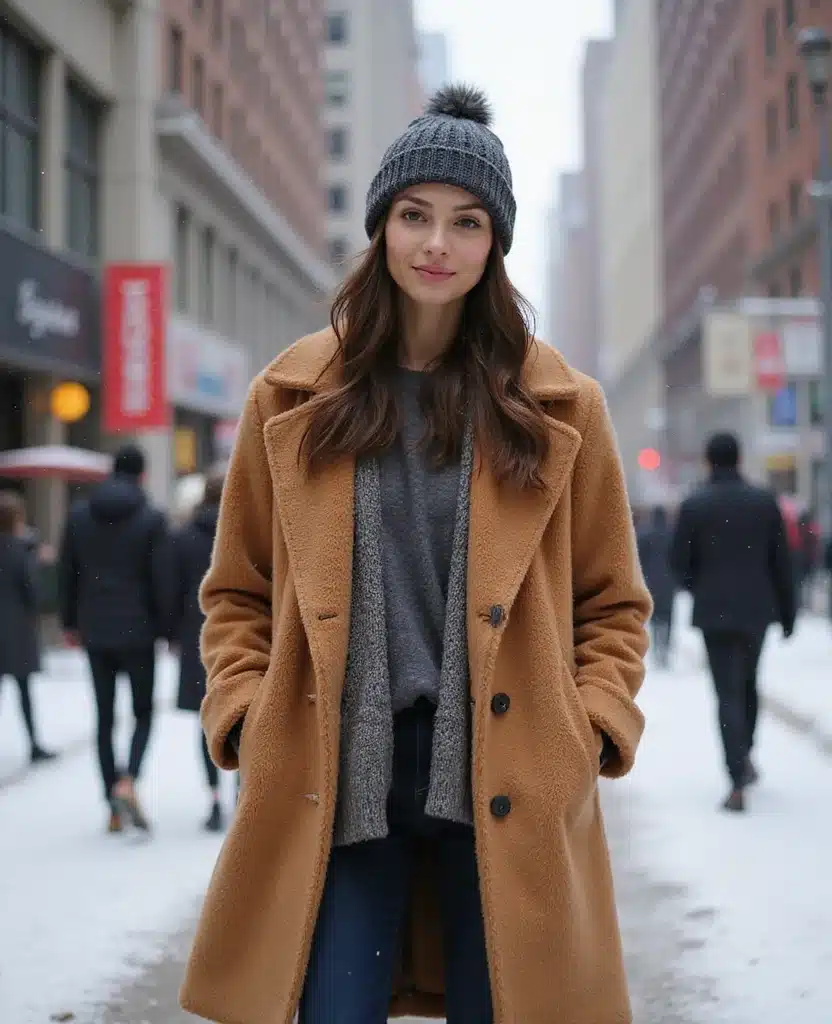
NYC sightseeing puts clothing through a real workout. You may spend hours walking, encounter precipitation, move between heated buildings and cold streets, and carry your essentials throughout the day.
That makes practical details just as important as appearance.
Choose coats with useful pockets, shoes with dependable traction, gloves that allow you to use your phone, and fabrics that can handle changing conditions.
- Check the forecast before dressing each morning.
- Prioritize comfortable footwear.
- Choose outerwear appropriate for rain, snow, or wind.
- Carry layers that can be added or removed.
Pro tip: Build each sightseeing outfit around the day’s activities. A museum-and-dinner day may allow dressier footwear, while an all-day walking itinerary calls for maximum comfort.
25. Feminine Touches
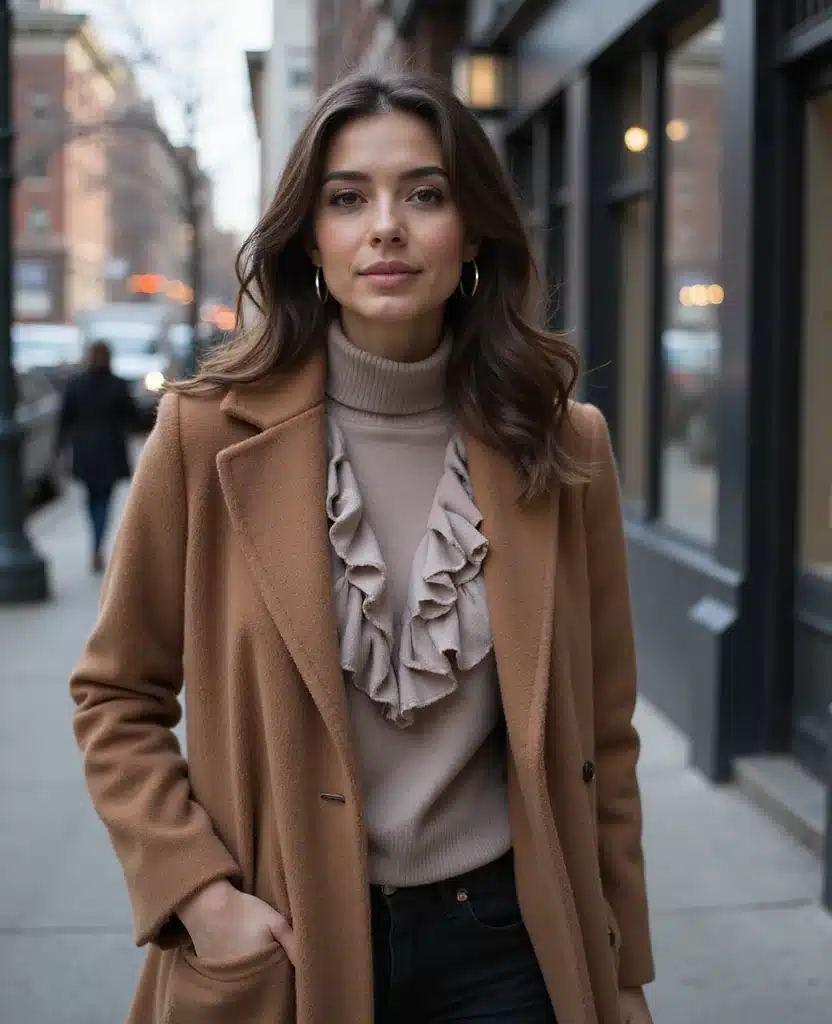
Soft feminine details can bring variety to a winter wardrobe without making the outfit impractical.
Try a blouse with delicate detailing beneath a structured coat, a skirt with warm tights, or a sweater with subtle lace or decorative elements.
Belts, small handbags, delicate jewelry, and softer colors can also add a refined touch to heavier winter clothing.
- Combine delicate pieces with sturdy winter layers.
- Use texture to create contrast.
- Add subtle details rather than overloading the outfit.
- Use accessories to personalize simple combinations.
Pro tip: If you love dresses or skirts, make them work for February by building the rest of the outfit around warmth rather than treating them as standalone pieces.
💡
Key Takeaways
Essential tips for planning your February NYC wardrobe
🧥
ESSENTIAL
Build Around a Warm Coat
Choose dependable outerwear first, then plan sweaters, trousers, skirts, and accessories around it.
🧣
QUICK WIN
Use Layers Strategically
Thin base layers, warm mid-layers, and protective outerwear make it easier to handle changing indoor and outdoor temperatures.
👢
ESSENTIAL
Prioritize Walking-Friendly Footwear
Comfortable, supportive, weather-appropriate boots or shoes can make a major difference during long NYC sightseeing days.
🎨
BEGINNER
Add Personality With Color
A colorful scarf, handbag, sweater, hat, or pair of boots can make neutral winter outfits feel more distinctive.
🌿
PRO TIP
Choose Versatile Pieces
Pack clothing that can be combined in several ways instead of bringing separate outfits for every activity.
🧤
ADVANCED
Plan for the Weather
Check the forecast before heading out and adjust your layers for wind, precipitation, temperature, and your day’s itinerary.
Conclusion
February in New York is a great excuse to experiment with winter layers while keeping comfort at the center of every outfit.
Oversized sweaters, tailored trousers, skirts with warm tights, statement coats, colorful boots, scarves, hats, and practical accessories can all become part of a versatile NYC travel wardrobe.
The easiest approach is to choose a few dependable base pieces and then change the look with outerwear, textures, colors, and accessories. That way, you can create several outfits without filling your suitcase with unnecessary clothing.
Most importantly, dress for the actual conditions you expect to encounter. New York is best explored on foot, so an outfit that looks good and lets you comfortably spend hours outside is the one that will serve you best.
Frequently Asked Questions
Q. What Should I Wear in NYC in February?
Dress in warm, adjustable layers. A thermal or long-sleeve base, sweater, insulated or wool coat, warm socks, and suitable boots are a strong starting point. Add a scarf, hat, and gloves when temperatures and wind require extra protection.
Q. How Can I Layer My Outfits for NYC’s February Weather?
Start with a lightweight layer close to your skin, add a sweater or cardigan, and finish with protective outerwear. Keep the inner layers relatively thin so you can remove them easily when entering heated buildings.
Q. What Are Some Trendy February Outfits for a NYC Trip?
Try combinations such as a turtleneck with tailored trousers and a long coat, an oversized sweater with jeans and boots, or a midi skirt with warm tights, boots, and a structured coat. Accessories can change the look without requiring another complete outfit.
Q. Are There Specific Colors or Patterns That Work Best for February Fashion in NYC?
There is no single color palette you need to follow. Neutrals such as black, gray, cream, camel, and navy are easy to combine, while burgundy, emerald, red, cobalt, plaid, and other accents can add visual interest.
Q. How Can I Stay Warm Without Sacrificing Style During My NYC February Trip?
Focus on thin, effective layers rather than relying on one extremely bulky garment. Add a warm coat, suitable footwear, and accessories such as a scarf, hat, and gloves. Then use color, texture, and accessories to give the practical outfit a more polished appearance.