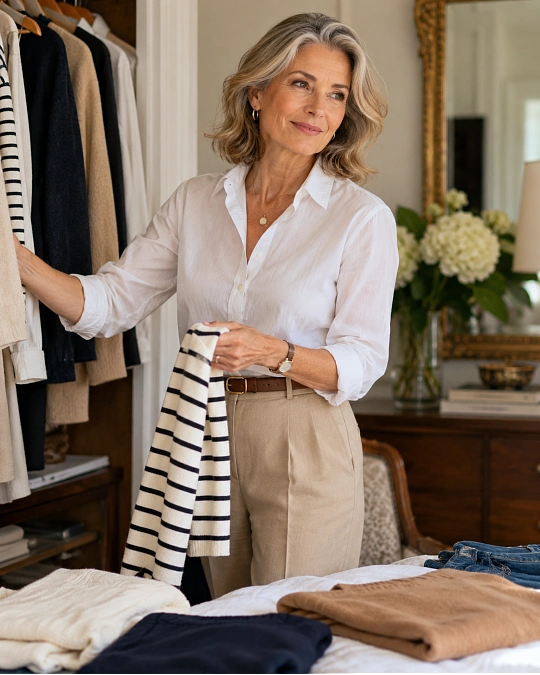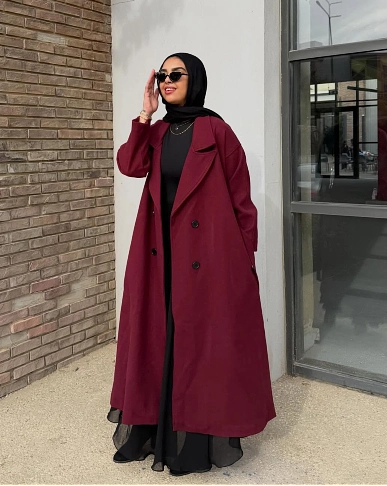
Fashion over 50 can feel simple, comfortable, and modern without forcing you to completely change who you are. If you have recently looked into your closet and felt that nothing seems quite right anymore, you are not alone. Changes in lifestyle, body shape, comfort preferences, and daily routines can all affect the way your clothes feel.
Sometimes the problem is not that you have lost your personal style. Your wardrobe may simply be based on an older version of your life. The clothes that worked beautifully years ago may no longer suit your current routine, proportions, or preferences.
Learning how to dress stylishly over 50 is not about dressing younger. It is about finding clothes that fit properly, feel comfortable, look polished, and reflect your personality today.
You also do not need to spend a fortune or replace your entire wardrobe. A few reliable outfit formulas, better-fitting basics, flattering fabrics, and thoughtful accessories can make a noticeable difference.
Table of Contents
- You Haven’t Lost Your Style — You’ve Lost Your Starting Point
- Start With What Actually Fits You Right Now
- Build One Reliable Outfit Formula You Trust
- Upgrade the Fabrics Before the Silhouettes
- Let Go of Outdated Fashion Rules
- A Small First Step You Can Take Today
- Frequently Asked Questions
You Haven’t Lost Your Style — You’ve Lost Your Starting Point
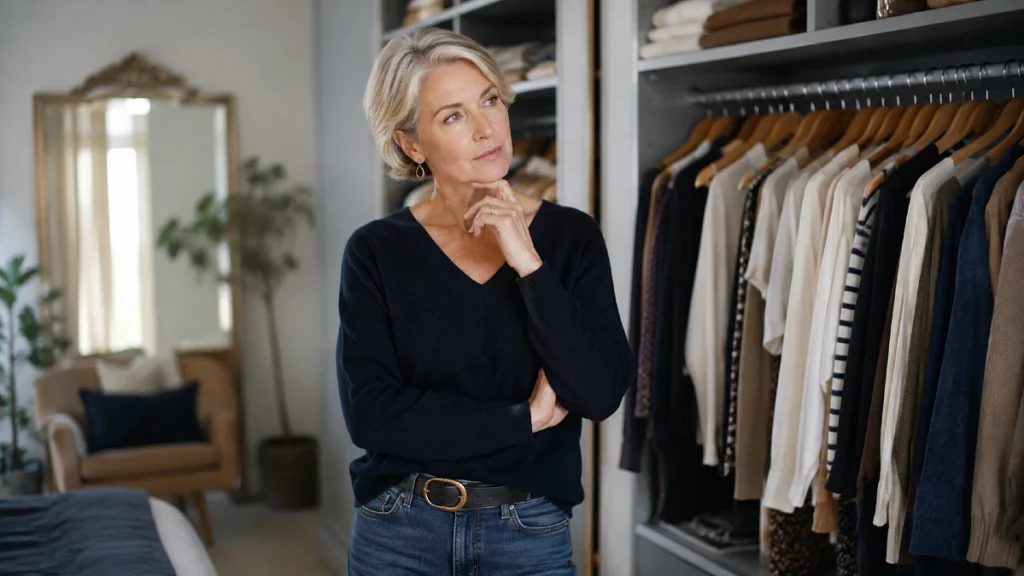
When getting dressed starts feeling frustrating, it is easy to believe that your sense of style has disappeared. In many cases, that is not what happened. Your life changed, but your wardrobe did not change with it.
Maybe your work routine is different now. Perhaps you spend more time at home, travel more often, attend fewer formal events, or prefer relaxed clothing during the day. Your clothes need to reflect those changes.
Your body may also have changed naturally over the years. The cuts, rises, lengths, and fabrics that felt comfortable before may not provide the same experience today.
That is not a reason to give up on style. It is a reason to create a new wardrobe starting point.
The most useful approach to fashion over 50 begins with your present life rather than your past wardrobe. Instead of asking what you used to wear, think about what you actually want to wear now.
Look at the pieces you repeatedly reach for. Maybe you always choose straight-leg jeans, soft sweaters, tailored trousers, simple blouses, midi dresses, or structured jackets.
Those choices reveal useful information about your personal style.
You can then build around those preferences rather than trying to copy an outfit simply because it looks good on someone else.
Start With Your Real Daily Life
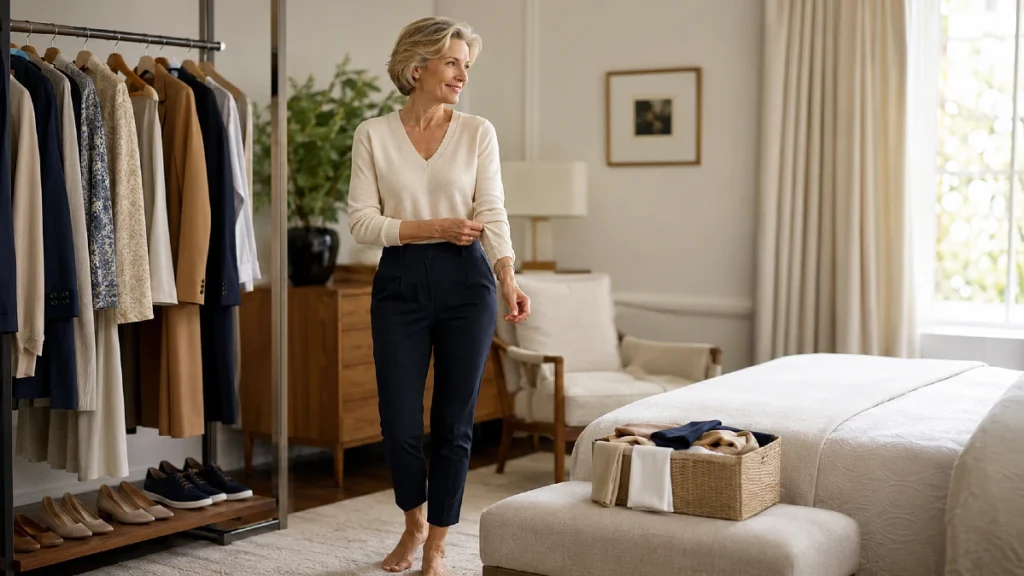
A stylish wardrobe should make everyday dressing easier. Before buying anything new, think about the situations that make up most of your week.
- Casual days at home
- Running errands
- Lunch with friends
- Family gatherings
- Travel days
- Work or business occasions
- Evening dinners
- Special events
If most of your time is casual, you need enough polished casual clothing. If you attend frequent dinners or events, you need reliable dressier options as well.
When your wardrobe matches your real lifestyle, getting dressed becomes much less complicated.
Keep the Style Details That Still Feel Like You
You do not need to abandon everything you loved before turning 50. If you have always enjoyed denim, continue wearing it. If you love neutral colors, use them as the foundation of your outfits.
If bright colors, prints, boots, statement jewelry, or tailored jackets make you feel good, there is no reason to remove them simply because you reached a certain age.
Personal style is not supposed to disappear with age. It should become more intentional.
Start With What Actually Fits You Right Now
One of the simplest ways to improve fashion over 50 is to pay closer attention to fit. A well-fitting basic can look more polished than an expensive garment that pulls, bunches, or hangs awkwardly.
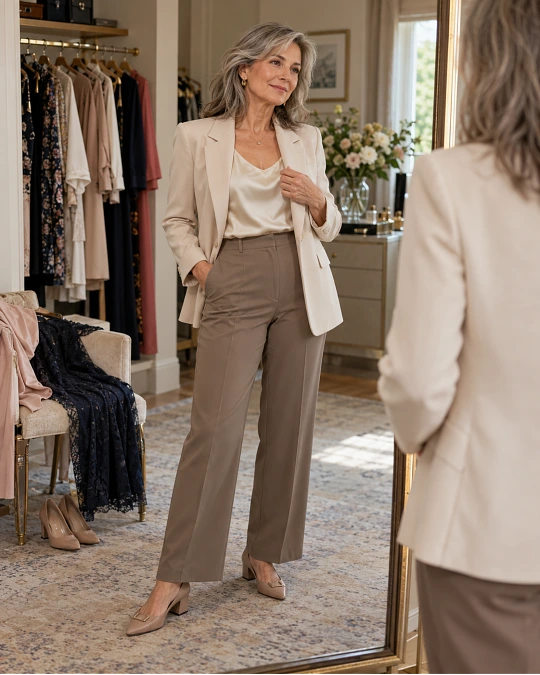
Start with the clothes you currently wear most often. Try them on in front of a full-length mirror and pay attention to how they move with your body.
Ask yourself whether you can sit comfortably, walk naturally, lift your arms, and move without constantly adjusting the garment.
- Does the waistband feel comfortable?
- Do the shoulders sit in the correct place?
- Do sleeves end at a useful length?
- Does the fabric pull across the chest or stomach?
- Do trousers move comfortably when you sit?
- Does the garment hang smoothly?
If the answer is no, the problem may be the garment rather than your body.
Clothing sizes are not consistent between brands, so do not let the number on a label determine how you feel about an outfit. The actual fit matters much more than the size printed inside the garment.
Create a Wardrobe That Fits Today
Separate your clothing into a few simple groups. Keep the pieces that fit comfortably and make you feel good in the easiest-to-reach area of your closet.
Move pieces that need alterations, feel uncomfortable, or no longer suit your lifestyle somewhere else temporarily.
This small change can make a big difference because you stop beginning every morning with clothes that make you feel frustrated.
Use Alterations When They Make Sense
You do not always need to replace a garment to improve its appearance. Small alterations can sometimes make a familiar piece feel much more personalized.
A tailor may be able to adjust a waistband, shorten a sleeve, change a hem, or refine the shape of a jacket.
When a garment is made from good fabric and otherwise works well for you, an alteration can be more useful than buying something completely new.
Build One Reliable Outfit Formula You Trust
One of the easiest ways to simplify fashion over 50 is to create a few outfit formulas that you can repeat.
An outfit formula is simply a combination of pieces that consistently works for you. You can change the colors, fabrics, shoes, and accessories while keeping the basic structure.
This approach removes some of the daily guesswork from getting dressed.
| Occasion | Outfit Formula | Why It Works |
|---|---|---|
| Running Errands | Dark straight-leg jeans + polished T-shirt + long cardigan + clean sneakers | The simple base is comfortable while the longer layer adds structure and creates a clean line. |
| Lunch With Friends | Midi skirt + relaxed knit sweater + ankle boots | The combination of soft knitwear and a flowing skirt creates texture and balance. |
| Casual Dinner | Stretch tailored trousers + fluid blouse + pointed flats | The trousers provide structure while the blouse keeps the outfit soft and comfortable. |
| Weekend Outing | Straight-leg jeans + striped top + lightweight jacket + loafers | These classic pieces can be mixed easily and adapted for different seasons. |
| Travel Day | Stretch trousers + lightweight knit + long jacket + comfortable sneakers | The outfit provides movement and comfort while still looking coordinated. |
Try the Three-Piece Method
A basic outfit can look more finished when you add a third piece. This does not have to mean wearing something heavy or formal.
For example, pair jeans and a simple top with a cardigan. Wear trousers and a blouse with a lightweight jacket. Add a vest over a knit top or an open shirt over a fitted base layer.
The third piece creates another visual layer and can make simple clothes feel more intentional.
Repeat Your Best Formulas
There is no need to create a completely different outfit every morning. If you know that a certain combination works well, use it repeatedly.
Change the color of the top, switch your shoes, add a scarf, or use different jewelry to create variety.
Repeating successful combinations can make your wardrobe feel easier to use while reducing unnecessary shopping.
Upgrade the Fabrics Before the Silhouettes
If your everyday outfits feel less polished than you want, look at the fabric before deciding that you need a completely different silhouette.
Very thin fabrics can cling or lose their shape quickly. Extremely stiff materials can restrict movement. Flimsy knitwear may not create the clean lines you want.
Choosing fabrics with a little more substance can change how an ordinary outfit looks and feels.
| Everyday Garment | Less Helpful Choice | Better Alternative | Why It Works |
|---|---|---|---|
| T-Shirts | Very thin or overly sheer cotton | Quality cotton, Pima cotton, or a soft modal blend | A little more weight can help the shirt drape smoothly and hold its shape. |
| Everyday Pants | Very rigid denim | Stretch denim, ponte, or tailored stretch fabric | These fabrics can provide easier movement while maintaining structure. |
| Cardigans | Very thin or floppy knitwear | Dense cotton, merino, or substantial knit fabric | A stronger knit tends to hold its shape and create a cleaner layer. |
| Blouses | Very clingy fabric | Fluid woven fabric or quality blend | A fluid material can skim the body and create softer movement. |
| Dresses | Extremely thin jersey | Mid-weight knit or structured woven fabric | Additional structure can help the dress hang more smoothly. |
Pay Attention to Drape
Drape refers to the way a fabric falls around the body. It can make a major difference in how an outfit looks.
A fabric that is too stiff may stand away from your body, while a very thin fabric may cling more than you prefer.
When shopping, look for materials that move naturally and maintain their shape without feeling restrictive.
Comfort Can Still Look Polished
Comfort does not mean that an outfit has to look sloppy. Stretch trousers, soft sweaters, sneakers, and relaxed shirts can all look polished when they have clean shapes and work well together.
The goal is to find clothing that gives you freedom of movement while still looking intentional.
This is one reason thoughtful fashion over 50 focuses on both appearance and wearability.
Let Go of Outdated Fashion Rules
Many women grew up hearing strict fashion rules. Some of those guidelines can be useful, but they do not need to control your entire wardrobe.
Modern style gives you more freedom to mix colors, textures, accessories, and silhouettes.
| Old Fashion Rule | A More Modern Approach |
|---|---|
| Your shoes, belt, and handbag must match exactly. | Coordinate the overall color family or mood instead of matching every piece perfectly. |
| You cannot wear white after Labor Day. | Cream, ivory, and winter white can work beautifully with seasonal layers. |
| Oversized clothing is the best way to hide your shape. | Use relaxed clothing with some structure so the outfit still has definition. |
| Sneakers are only appropriate for exercise. | Clean, streamlined sneakers can work with trousers, skirts, jeans, and casual dresses. |
| Women over 50 should avoid trends. | Choose current trends selectively and adapt them to your own wardrobe. |
| Every piece in an outfit must match perfectly. | Mixing related tones and textures can create a more natural and interesting outfit. |
Use Trends Selectively
You do not have to avoid trends simply because you are over 50. You also do not have to wear every trend that appears.
Choose the details that fit your existing style. A new shoe shape, handbag, jacket, color, or piece of jewelry can provide enough of an update.
This allows your wardrobe to feel current without making you feel as though you are wearing someone else’s style.
Let Accessories Add Personality
Accessories can completely change a simple outfit.
A colorful scarf can bring life to neutral clothing. Statement earrings can make a simple sweater feel more special. A structured handbag can sharpen casual clothes, while a belt can provide definition.
Accessories are also an affordable way to experiment with current fashion over 50 trends without replacing your entire wardrobe.
Do Not Dress According to Someone Else’s Age Rules
There is no single outfit that every woman over 50 should wear. Personal style depends on your lifestyle, preferences, proportions, climate, comfort level, and personality.
Two women the same age can have completely different wardrobes and both look stylish.
Use general fashion advice as inspiration rather than as a list of restrictions.
A Small First Step You Can Take Today
Improving your wardrobe does not require a huge shopping trip. In fact, trying to replace everything at once can make the process more confusing.
Choose the one category that causes you the most frustration.
It might be jeans that never fit correctly, tops that feel too casual, trousers that are uncomfortable, or jackets that never seem to complete an outfit.
Start there.
Find One Successful Replacement
Look for one piece that fits comfortably, works with your existing wardrobe, and suits your lifestyle.
For example, if you find a pair of trousers that works with three different tops and two jackets, you have already created several outfits from one purchase.
This is much more useful than buying several unrelated items that only work with one particular outfit.
Photograph Your Favorite Outfits
When you create an outfit that makes you feel particularly good, take a quick photograph.
After a few weeks, review those photos and look for patterns. You may discover that you prefer certain colors, necklines, jacket lengths, trouser shapes, or shoe styles.
Those patterns are valuable clues about your personal style.
Build Your Wardrobe Slowly
You do not need to complete your wardrobe in one season. Add pieces when you understand exactly what they will contribute.
Before purchasing something, ask yourself:
- Does it fit comfortably right now?
- Can I wear it with at least three things I already own?
- Does it suit my everyday lifestyle?
- Do I genuinely like the way I feel wearing it?
- Can I imagine wearing it more than once?
These questions can help prevent impulse purchases and make your wardrobe more cohesive.
Create a Simple Color Foundation
Choosing a few colors that work well together can make getting dressed much easier.
For example, you might build your basics around navy, black, cream, gray, brown, or denim and then add colors you enjoy through tops, scarves, shoes, bags, and accessories.
You do not have to limit yourself to neutrals. The purpose is simply to create enough coordination that your clothes can be mixed easily.
Balance Relaxed and Structured Pieces
If your outfit is completely relaxed from head to toe, it can sometimes feel less polished. Adding one structured element can change the balance.
Try relaxed jeans with a structured blazer. Pair a soft sweater with tailored trousers. Wear a flowing skirt with a more defined jacket.
These combinations create visual balance without requiring uncomfortable clothing.
Choose Shoes That Complete the Outfit
Shoes have a surprisingly large effect on the overall impression of an outfit.
Clean sneakers can make trousers feel contemporary. Loafers can add polish to jeans. Ankle boots can give a midi skirt more structure. Simple flats can make a dress feel effortless.
You do not need dozens of pairs. A few versatile styles that work with your wardrobe can be enough.
Remember That Confidence Comes From Practice
If you have spent years wearing the same safe outfits, trying something different may initially feel unfamiliar.
That does not automatically mean the new outfit is wrong.
Give yourself time to adjust. Try one new silhouette at a time instead of changing everything at once.
Over time, you will become better at recognizing what works for you.
Learning how to dress stylishly over 50 is not about following a list of age-based restrictions. It is about understanding your wardrobe and making choices that support the woman you are today.
You can continue wearing jeans. You can wear sneakers. You can enjoy bright colors, prints, dresses, skirts, trousers, tailoring, knitwear, or anything else that suits your personality.
You do not need to look younger to look stylish.
You simply need clothes that feel like you.
The most useful wardrobe is one that makes getting dressed easier, not one that creates more pressure.
Start with fit. Improve your fabrics. Build a few reliable formulas. Add modern details selectively. Then allow your personal style to develop naturally.
Elevated Everyday Style
Frequently Asked Questions
How can I dress stylishly over 50 without looking too trendy?
Build your wardrobe around pieces you already enjoy wearing and add current details selectively. Updated shoes, contemporary eyewear, a modern handbag, or new jewelry can refresh classic clothing without making the entire outfit trend-focused.
What is the most important part of fashion over 50?
Fit is an excellent starting point. Clothing should feel comfortable while creating a balanced silhouette. Once the fit works, you can experiment more easily with color, accessories, fabrics, and trends.
Should women over 50 stop wearing jeans?
No. Jeans can be a useful part of any wardrobe. Choose the rise, leg shape, wash, and fabric that feel comfortable and suit your proportions. Straight-leg, bootcut, wide-leg, and relaxed styles can all be considered depending on your preferences.
How can I look polished without wearing formal clothes?
Choose casual pieces with clean shapes and combine them thoughtfully. Well-fitting trousers, quality knitwear, a structured jacket, polished sneakers, loafers, and simple accessories can create a refined everyday outfit without making it formal.
Are oversized clothes flattering after 50?
Relaxed clothing can work very well. The key is balance. If one part of the outfit is oversized, consider pairing it with something more defined so the overall silhouette remains intentional.
What colors should women over 50 wear?
There is no universal color list for women over 50. Wear shades that you enjoy and that work with your existing wardrobe. If you love bright colors, incorporate them. If you prefer neutrals, use them as your foundation and add color when you want variety.
How can I update my wardrobe without spending a lot?
Start with what you already own. Try new combinations, improve the fit through alterations, reorganize your closet, and use accessories to create variety. When you shop, look for versatile pieces that work with several outfits rather than one-time purchases.
How many outfit formulas should I have?
Three to five dependable formulas can be enough for many wardrobes. You can adapt those formulas throughout the year by changing fabrics, layers, colors, shoes, and accessories.
Can women over 50 still follow fashion trends?
Yes. Age does not require you to avoid current fashion. The useful approach is to choose trends that fit your personal taste, comfort level, and lifestyle. You can incorporate one modern detail without rebuilding your entire wardrobe.
How do I regain fashion confidence?
Start with small wins. Wear clothes that fit well, photograph outfits you enjoy, and notice which pieces you repeatedly reach for. As your wardrobe becomes easier to use, getting dressed can feel more natural and enjoyable.
What are the best basics for fashion over 50?
Useful basics can include well-fitting jeans or trousers, comfortable tops, knitwear, a versatile jacket, practical shoes, and a few accessories. The exact pieces should depend on your lifestyle rather than a fixed age-based checklist.
How can I make simple outfits look more expensive?
Focus on fit, fabric, condition, and coordination. A clean, well-fitting outfit in complementary colors can look polished without requiring expensive designer clothing. Keeping shoes clean and clothing properly pressed or cared for can also improve the finished appearance.
Is a capsule wardrobe useful for women over 50?
A capsule-style wardrobe can be useful if you prefer fewer, more versatile pieces. The idea is to choose clothing that can be combined in several ways. You can make the capsule as small or as large as your lifestyle requires.