Growing older does not mean you have to accept constant exhaustion, unnecessary stress, or a life built around other people’s expectations.
Many people who age gracefully after 60 make quiet changes to the habits that drain their energy. They become more protective of their time, more comfortable with boundaries, and more intentional about staying active and engaged.
These nine shifts are simple, practical ways to create more room for energy, independence, movement, and enjoyment in everyday life.
At a Glance
⏳
Focus
Energy Preservation
🎯
Difficulty
Moderate
🧠
Mindset
Boundary-First
⚡
Timeline
30-Day Shift

Image credit: Sagely Chic
The Quiet Mechanics of Physical and Mental Longevity
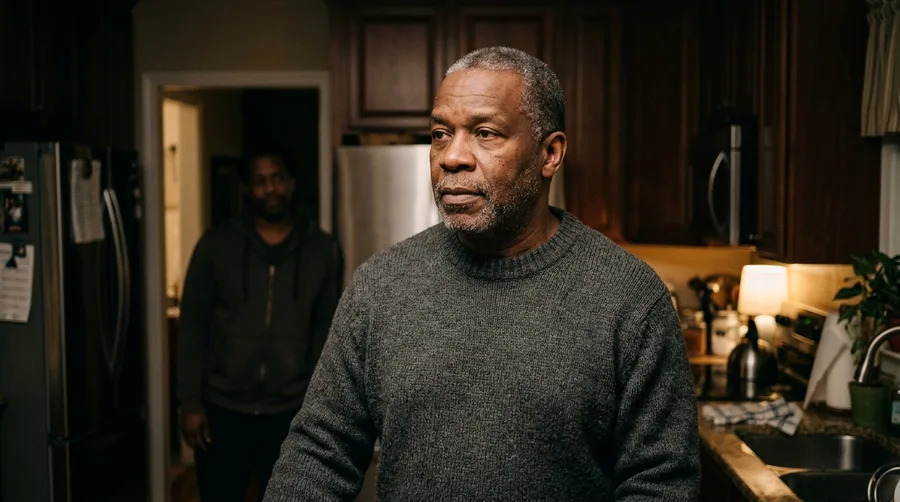
Image credit: Sagely Chic
Daily stress can become surprisingly expensive when you spend years carrying unnecessary obligations, unresolved frustrations, and physical habits that leave you depleted.
Imagine standing in a hallway listening to someone complain for forty minutes while your back hurts and you are already ready to go home. Instead of staying simply because leaving feels awkward, you can recognize that your time and physical comfort matter too.
Aging gracefully after 60 is not about avoiding every inconvenience. It is about becoming more aware of which demands genuinely deserve your energy.
Pay attention to the moments when your body becomes tense or your patience disappears. Those reactions can be useful reminders to pause, set a boundary, change your routine, or step away.
Aging Gracefully Audit
✓
Dropping unnecessary obligations
Practice saying no without feeling obligated to provide a long explanation.
✕
Holding onto past grievances
Letting old arguments go can create more mental space for the present.
✓
Embracing physical movement
Regular movement can support mobility and everyday independence.
1. Carrying Grudges Like Heavy Luggage

Image credit: Sagely Chic
“I still cannot believe they said that.”
It is easy to replay an embarrassing comment, family disagreement, or old disappointment long after the original moment has passed.
The problem is that repeatedly revisiting something you cannot change keeps your attention tied to the past. The other person may have forgotten the conversation entirely while you continue spending valuable mental energy on it.
Letting go does not mean pretending the event never happened. It simply means deciding that the memory does not deserve unlimited space in your current life.
💡 Tip: Write the grievance on a piece of paper, acknowledge what happened, and then throw the paper away. Use the exercise as a physical reminder that you are choosing not to keep replaying the situation.
💡 PRO TIP
Spotting Unnecessary Mental Friction
Notice how often you return to an argument or disappointment that cannot be changed. When you catch yourself replaying it, gently redirect your attention to something happening in the present.
2. Accepting Exhaustion as Your Baseline Normal

Image credit: Sagely Chic
Constant tiredness should not automatically be dismissed as an unavoidable part of getting older.
When afternoon fatigue arrives, notice how you explain it to yourself. Do you immediately think, “This is just what happens at my age,” or do you consider whether your sleep, activity, meals, stress, medications, or daily schedule might be contributing?
Occasional tiredness is normal, but persistent or unexplained fatigue deserves attention rather than being automatically blamed on age. If fatigue is new, severe, or ongoing, discussing it with a healthcare professional can be worthwhile.
Instead of pushing through every afternoon slump with another cup of coffee, try creating a short reset. A brief walk, gentle stretching, water, or a quiet break may help you regain some energy without demanding more from an already tired body.
Energy Management — At a Glance
⏰ Peak Focus
Morning Hours
☕ Caffeine Cap
Earlier in the Day
🚶 Reset Habit
15-Minute Walk
Core Rule
Protect your most productive hours from unnecessary demands and give yourself genuine opportunities to recharge.
3. Saying Yes When Your Body Screams No

Image credit: Sagely Chic
Being a dependable friend or family member does not require accepting every invitation, favor, or responsibility.
Your time and energy are limited resources. Saying yes to something you genuinely do not have the capacity for can leave you exhausted simply because you were worried about disappointing someone else.
Instead of treating every refusal as a character flaw, consider it an honest assessment of what you can realistically handle.
If an invitation feels like an obligation rather than something you actually want to do, a simple response can be enough: “Thank you for inviting me, but I won’t be able to make it.” You do not always need an elaborate excuse.
Best For Boundary Setting
🛡️ Clear Declines
⏱️ Time Audits
💬 Direct Words
4. Treating Your Daily Routine as Set in Stone

Image credit: Sagely Chic
Consistency can be helpful, but a routine does not have to become a permanent script that you are afraid to change.
Eating the same meals, taking the same route, sitting in the same place, and avoiding anything unfamiliar may feel comfortable. Yet introducing small changes can keep everyday life more interesting and give you opportunities to practice adaptability.
You do not need to completely redesign your schedule. Try changing one small part of your week. Take a different walking route, prepare an unfamiliar recipe, visit a new place, or learn something you have never tried before.
The goal is not constant disruption. It is maintaining enough flexibility that your world does not become unnecessarily narrow.
⚠️ COMMON MISTAKE
The Autopilot Trap
Do not let convenience dictate every hour. Introduce one deliberate novelty into your week while keeping the routines that genuinely support your well-being.
5. Chasing Comfort at the Expense of Strength

Image credit: Sagely Chic
Comfort has its place, especially when your body needs recovery. But avoiding all physical effort can make everyday tasks harder over time.
Regular strength-building and functional movement can help support muscle function, balance, mobility, and independence as you age. The right amount of activity depends on your health and abilities.
Instead of automatically outsourcing every physical task, look for safe opportunities to keep moving. Carry appropriately sized groceries, stand up regularly during long periods of sitting, take the stairs when comfortable, or follow a strength routine suited to your ability.
The Strength Shift
🛑
The Old Way
- Outsourcing all physical lifting
- Avoiding stairs completely
- Sitting for hours without breaks
✅
The Graceful Way
- Carrying your own groceries when safe
- Taking stairs when appropriate
- Stretching and moving regularly
6. Listening to Cultural Narratives About Decline
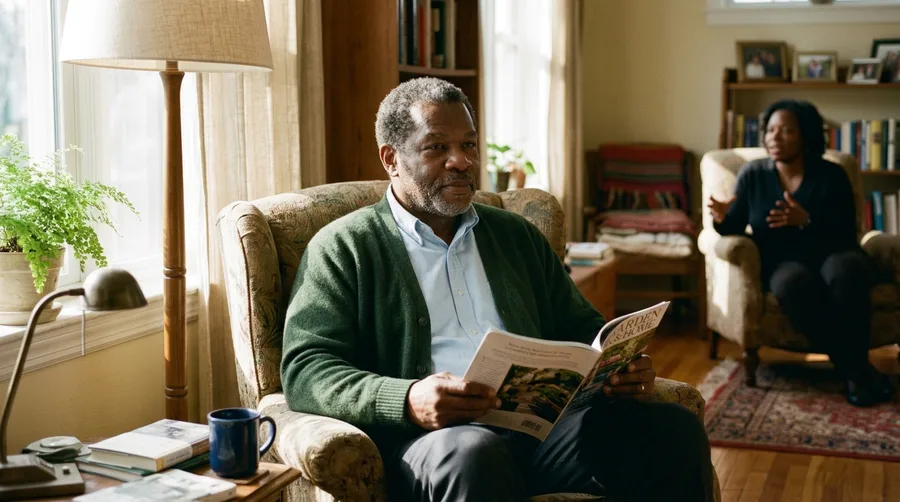
Image credit: Sagely Chic
Messages about aging are everywhere. Some suggest that getting older automatically means becoming less active, less curious, and less interested in new experiences.
Those assumptions do not describe every person over 60. People age differently, and abilities can vary widely because of health, lifestyle, circumstances, and individual differences.
At the same time, respecting genuine physical limitations is important. Resting during recovery or adapting an activity when your body needs it is not the same as giving up simply because of an age-related stereotype.
Pay attention to the messages you consume. If everything you read treats aging as something to fear, balance it with books, hobbies, projects, and conversations that encourage curiosity and participation.
🌱 GROWING TIP
Curiosity Over Decline
Commit to learning one unfamiliar skill this year, whether that means cooking a new cuisine, trying photography, learning basic phrases in another language, or exploring a creative hobby.
7. Keeping Relationships That Only Drain You

Image credit: Sagely Chic
Some relationships leave you feeling supported and understood. Others consistently leave you exhausted.
You might spend hours listening to someone complain without receiving much space to talk about your own life. If the pattern continues for years, you may eventually start treating emotional exhaustion as the price of maintaining the relationship.
There is a difference between supporting someone through a difficult period and remaining indefinitely inside a one-sided relationship.
Healthy boundaries can take many forms. You might respond later instead of immediately, shorten difficult conversations, change the subject, or reduce the amount of time you spend in a relationship that repeatedly leaves you depleted.
You do not have to end every difficult relationship. Sometimes creating healthier distance is enough to protect your time and emotional energy.
8. Apologizing for Taking Up Space

Image credit: Sagely Chic
You may have developed the habit of saying sorry when you speak up, need a moment to think, or simply occupy space in a crowded room.
Politeness is valuable, but automatic apologies can sometimes make you feel as though your needs are an inconvenience.
If someone bumps into you in a grocery aisle, for example, you do not necessarily need to apologize. A simple “Excuse me,” “Thank you for waiting,” or a calm pause may communicate just as well.
The goal is not to become rude. It is to become more comfortable acknowledging your own presence without constantly shrinking yourself to keep everyone else comfortable.
9. Waiting for Permission to Enjoy Your Life

Image credit: Sagely Chic
It is easy to keep postponing the things you enjoy while waiting for the perfect weekend, the right season, a completely free calendar, or someone else to join you.
Trips, hobbies, creative projects, afternoon walks, and simple pleasures do not always need a special occasion.
Start with something small. Take the afternoon off when you can, buy the sketchbook, visit somewhere nearby, sign up for a class, or finally make time for the hobby you keep putting aside.
You do not need permission to use your time intentionally. Enjoyment can be part of an ordinary Tuesday just as easily as it can be part of a major celebration.
Frequently Asked Questions
How do I start setting boundaries without feeling guilty?
Start with low-stakes situations. Practice giving a simple, direct decline without adding a long explanation. Feeling uncomfortable at first does not necessarily mean you are doing something wrong; it may simply mean the behavior is new for you.
Why does physical strength matter so much as we age?
Maintaining functional strength can support everyday activities such as climbing stairs, carrying groceries, getting up from a chair, and maintaining balance. A suitable exercise program can help preserve physical function, but it should be adapted to your abilities and health needs.
How can I let go of long-held grudges?
Start by acknowledging what happened without repeatedly replaying it. Writing down your thoughts, talking with someone you trust, practicing mindfulness, or deciding what boundary you need now can help you shift attention away from the past.
What is the best way to regain afternoon energy?
Look at the basics first: sleep, hydration, meals, movement, stress, and caffeine habits. A short walk or quiet break can help some people reset. If persistent fatigue is interfering with daily life, speak with a healthcare professional rather than assuming it is simply aging.
What Changes in the First Seven Days
Small changes can make your week feel different surprisingly quickly.
When you stop replaying old arguments, become more selective with commitments, and give yourself permission to rest or move when needed, you may notice more space in your daily schedule.
Pick one habit from this list to change today. Give yourself seven days to observe what happens to your time, energy, and mood before deciding what you want to adjust next.
Ready to Protect Your Energy?
Review your weekly calendar right now and identify one obligation that consistently drains you.
Ask yourself whether it still deserves your time, whether it can be shortened, or whether you can politely say no.
Aging gracefully after 60 is not about following a perfect routine. It is about making more intentional choices about your energy, relationships, movement, boundaries, and the experiences you want to make room for.