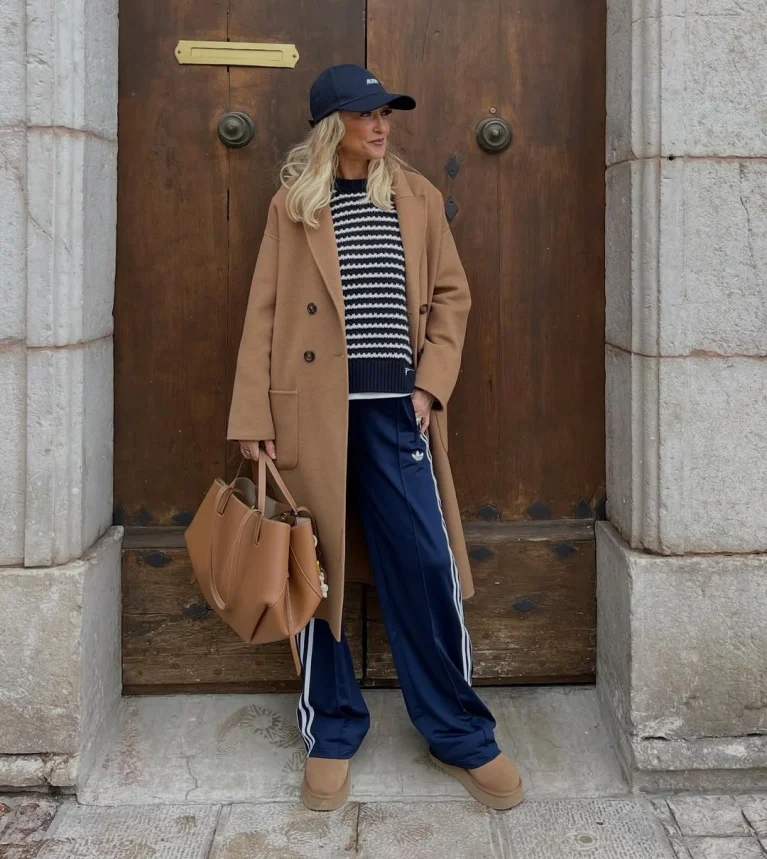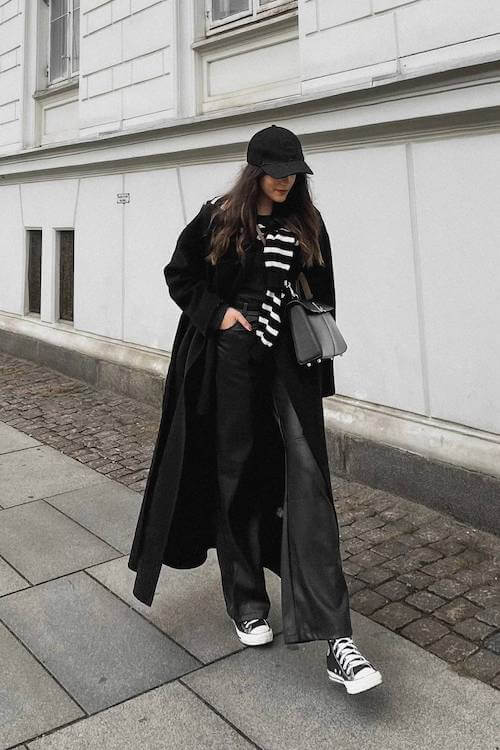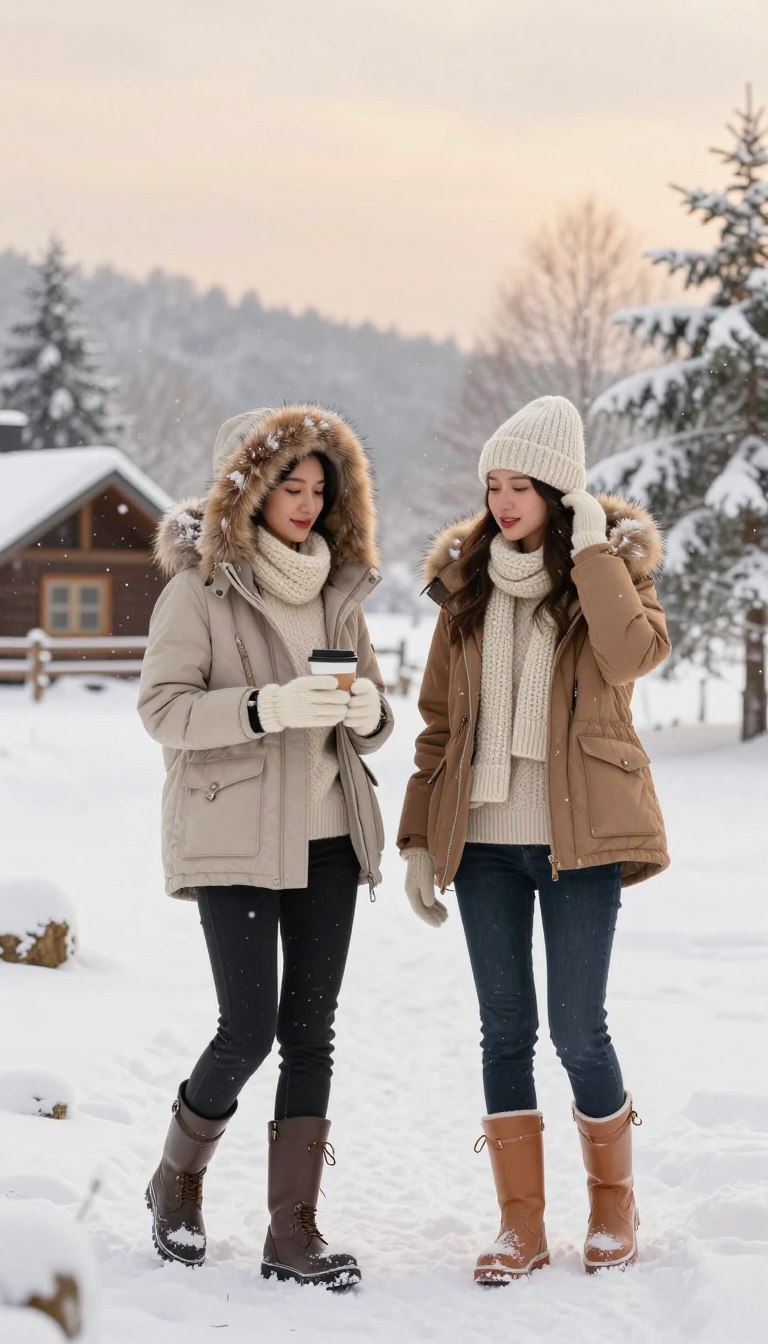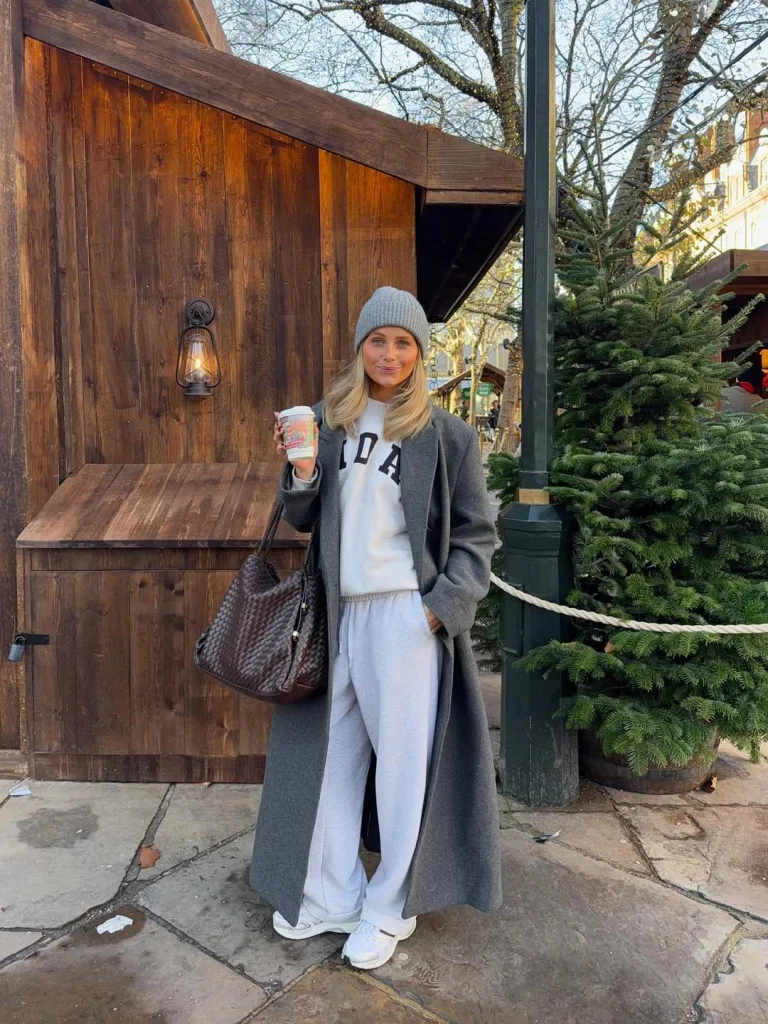
Classy Winter Outfits: 4 Formulas to Compare
Classy winter outfits do not have to be complicated. The easiest looks usually come from a few reliable pieces that work together in the right proportions. A tailored coat, refined knit, well-fitting trousers, boots, and a thoughtful accessory can create an outfit that feels polished while still being comfortable enough for everyday winter weather.
The key is choosing an outfit formula based on where you are going and what the weather requires. A look for commuting needs different layers than one for dinner, weekend errands, or a long day of walking. These four winter outfit formulas make it easier to get dressed without sacrificing warmth or personal style.
Key Takeaways
- Build winter outfits around practical layers rather than individual statement pieces.
- Balance oversized outerwear with cleaner, more fitted pieces underneath.
- Neutral colors such as camel, black, cream, gray, navy, and brown make winter dressing easier.
- Choose footwear according to the weather, walking distance, and occasion.
- A small number of versatile pieces can create many polished winter combinations.
Start with the decision context, not the picture
A winter outfit can look beautiful in a photo and still be completely wrong for your day. Before choosing what to wear, think about the temperature, how much walking you will do, whether you will spend time outdoors, and how warm your destination will be indoors.
Once those practical details are clear, it becomes much easier to select the right outfit formula. Instead of copying a complete look, use the image as inspiration and adjust the layers, shoes, fabrics, and accessories to suit your own routine.
Warmth comes from the base and middle layers
A stylish coat cannot do all the work when temperatures drop. Start with a comfortable base layer such as a fitted long-sleeve top, lightweight thermal shirt, or fine merino knit. Add another layer for insulation before finishing with your coat or jacket.
On moderately cold days, a fitted base layer and medium-weight sweater may be enough. When the weather becomes much colder, several thin layers can be more useful than one extremely bulky sweater. They also make it easier to adjust your outfit when moving between cold streets and heated buildings.
Use proportion to keep layers refined
Good proportions make layered outfits look intentional. If your coat is roomy, choose a neater sweater and straight-leg trousers underneath. If you are wearing wide-leg pants, a fitted turtleneck or tucked knit can create a more balanced silhouette.
The same idea works with skirts and dresses. A slim midi dress can pair beautifully with a longer coat, while a fuller skirt usually looks cleaner with a closer-fitting top. Keeping one main piece oversized is often enough to create a relaxed winter shape without making the entire outfit feel bulky.
Compare four core classy winter outfit formulas
These four formulas cover many everyday winter situations. Think of them as starting points rather than strict rules. You can change the colors, fabrics, footwear, and accessories depending on your wardrobe and the occasion.
1. Tailored coat, fine knit, and straight-leg denim
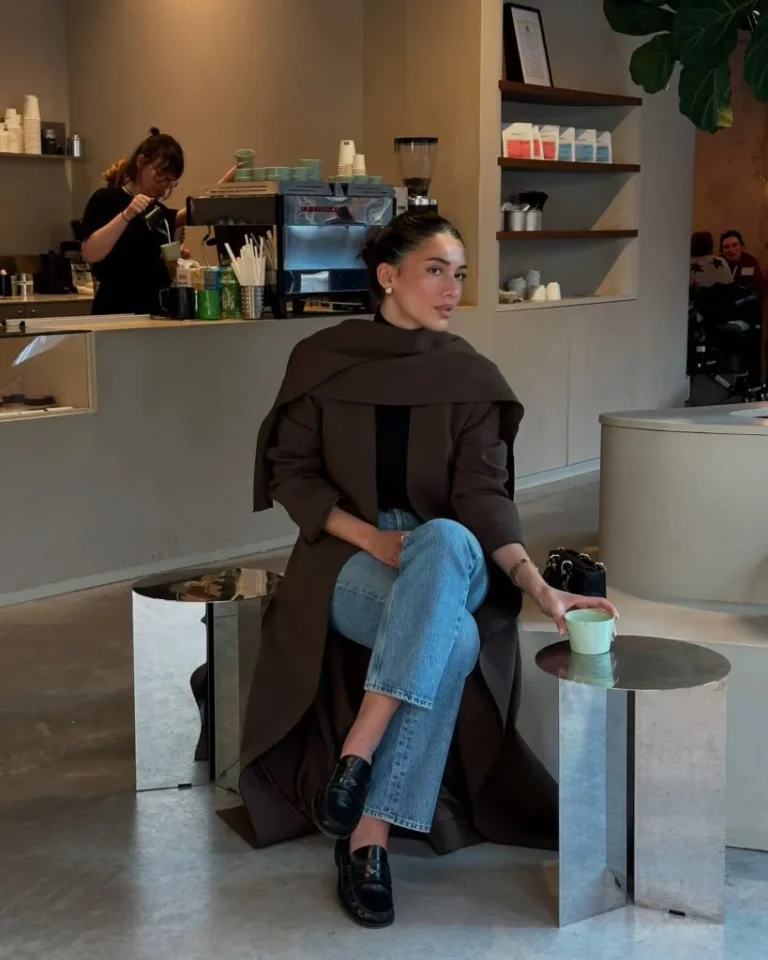
A tailored coat with straight-leg jeans is one of the easiest ways to look polished without feeling overdressed. Start with dark or clean-finish denim, add a fine turtleneck or crewneck sweater, and finish with a structured wool coat.
Brown boots, black ankle boots, loafers, or weather-friendly sneakers can all work depending on the conditions. A dark denim wash gives the outfit a slightly dressier appearance, while cream or ecru jeans can create a lighter winter palette.
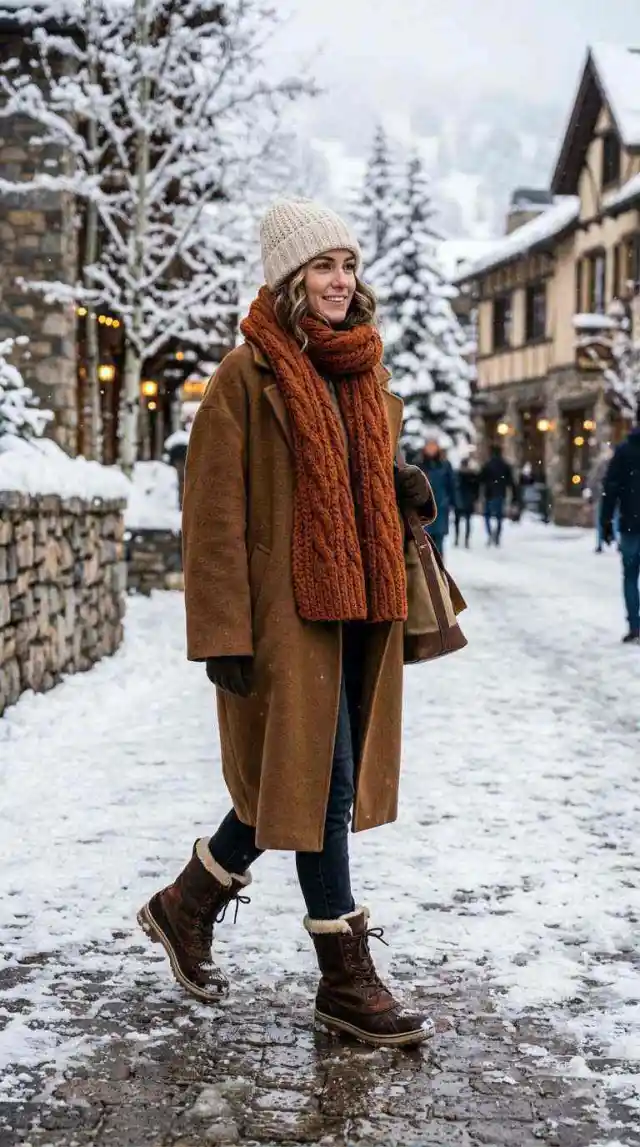
This formula works particularly well for casual offices, coffee dates, shopping trips, museum visits, travel days, and everyday errands. If rain or snow is expected, switch to weather-resistant footwear and consider trousers with a shorter or cleaner hem.
2. Knit dress, long coat, and tall boots
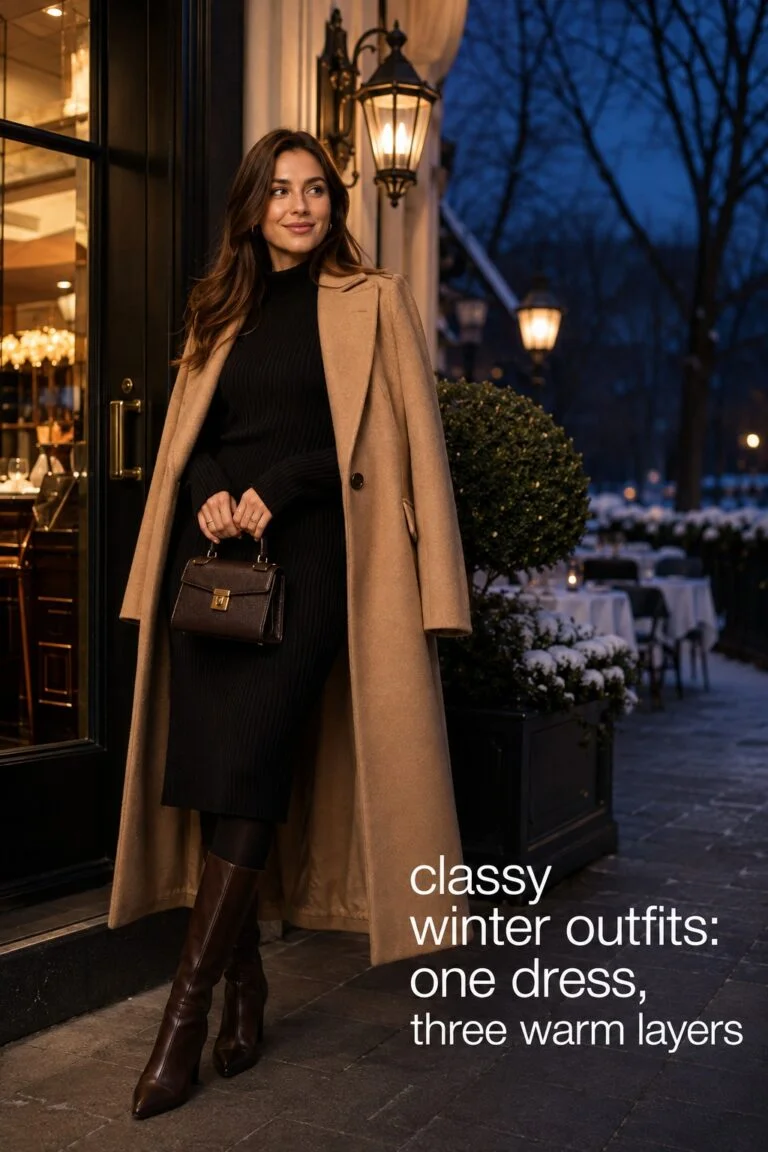
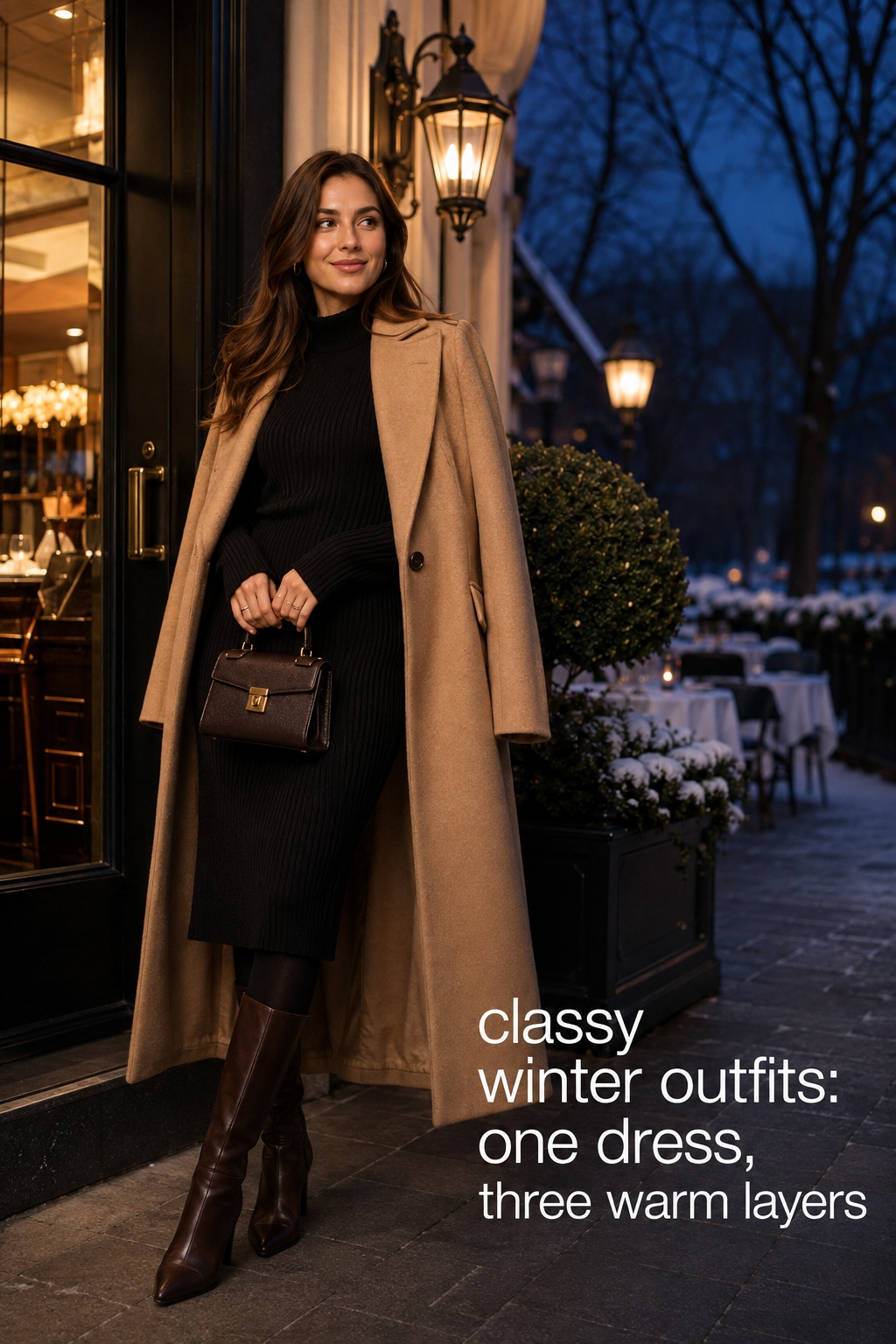
A knit dress makes winter dressing simple because the main outfit is already built around one piece. Choose a midi length with a smooth or ribbed texture, then add a long coat and tall boots for warmth and a clean vertical line.
Opaque tights are useful when temperatures are low, especially when paired with a dress that leaves more of the legs exposed. Black, charcoal, chocolate, burgundy, cream, and forest green are all easy colors to style during the colder months.
This formula works for dinners, family gatherings, office days, winter celebrations, and occasions where jeans feel too casual. Avoid pairing a very thick dress with an overly fitted coat. Leave enough room for the knit to sit comfortably underneath.
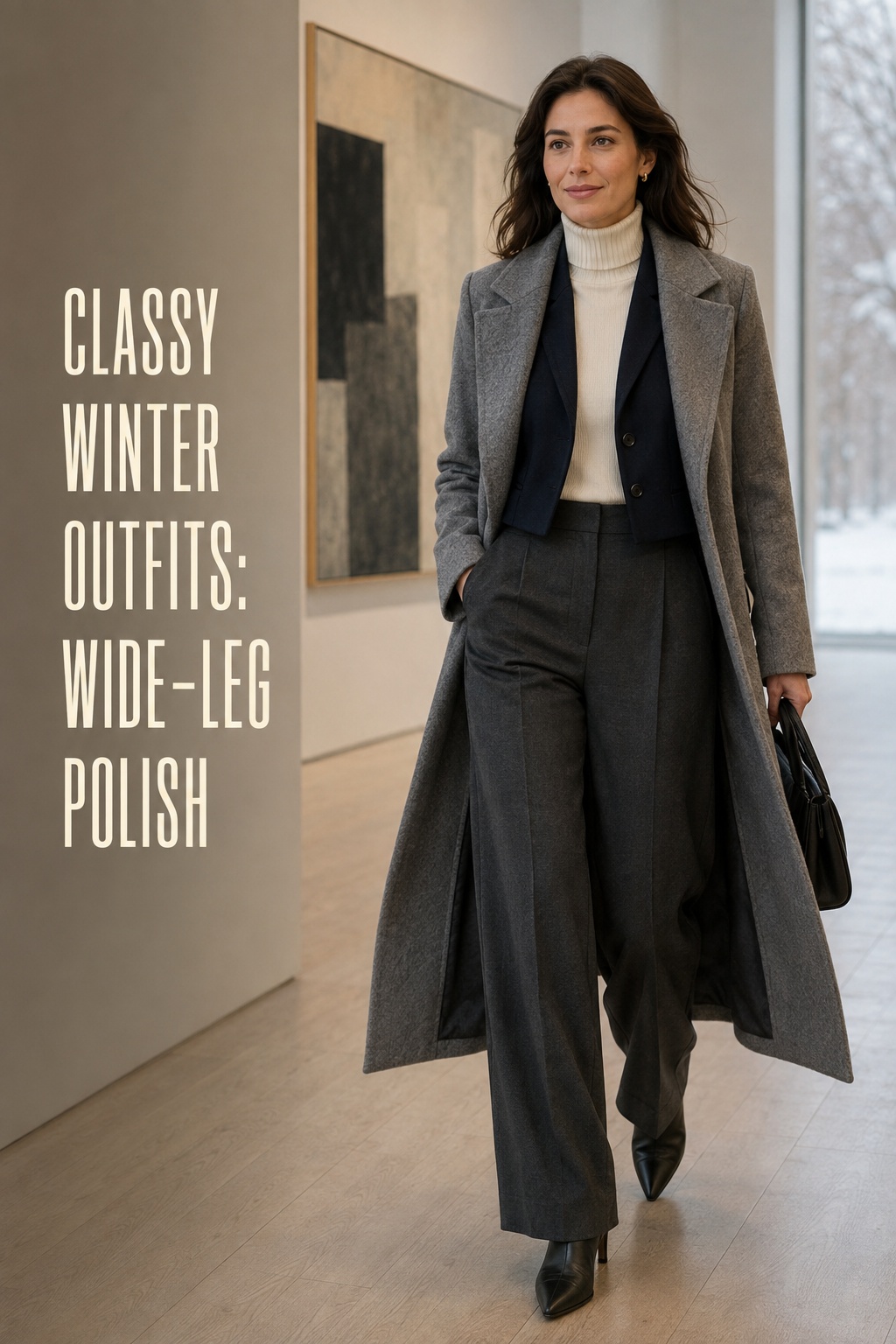
3. Wide-leg trousers, fitted base, and structured outerwear
Wide-leg trousers can make a winter outfit feel modern and polished while providing plenty of movement. Since the trousers already provide volume, balance them with a fitted turtleneck, slim sweater, or neatly tucked shirt.
Wool trousers are an excellent cold-weather option, but corduroy, heavy cotton, and lined fabrics can work as well. Pay attention to the trouser length and footwear so the hem does not drag along wet streets.
This formula is useful for work, dinners, creative offices, gallery visits, and days when you want an alternative to jeans. Choose practical boots when the weather is wet and keep the rest of the outfit streamlined.
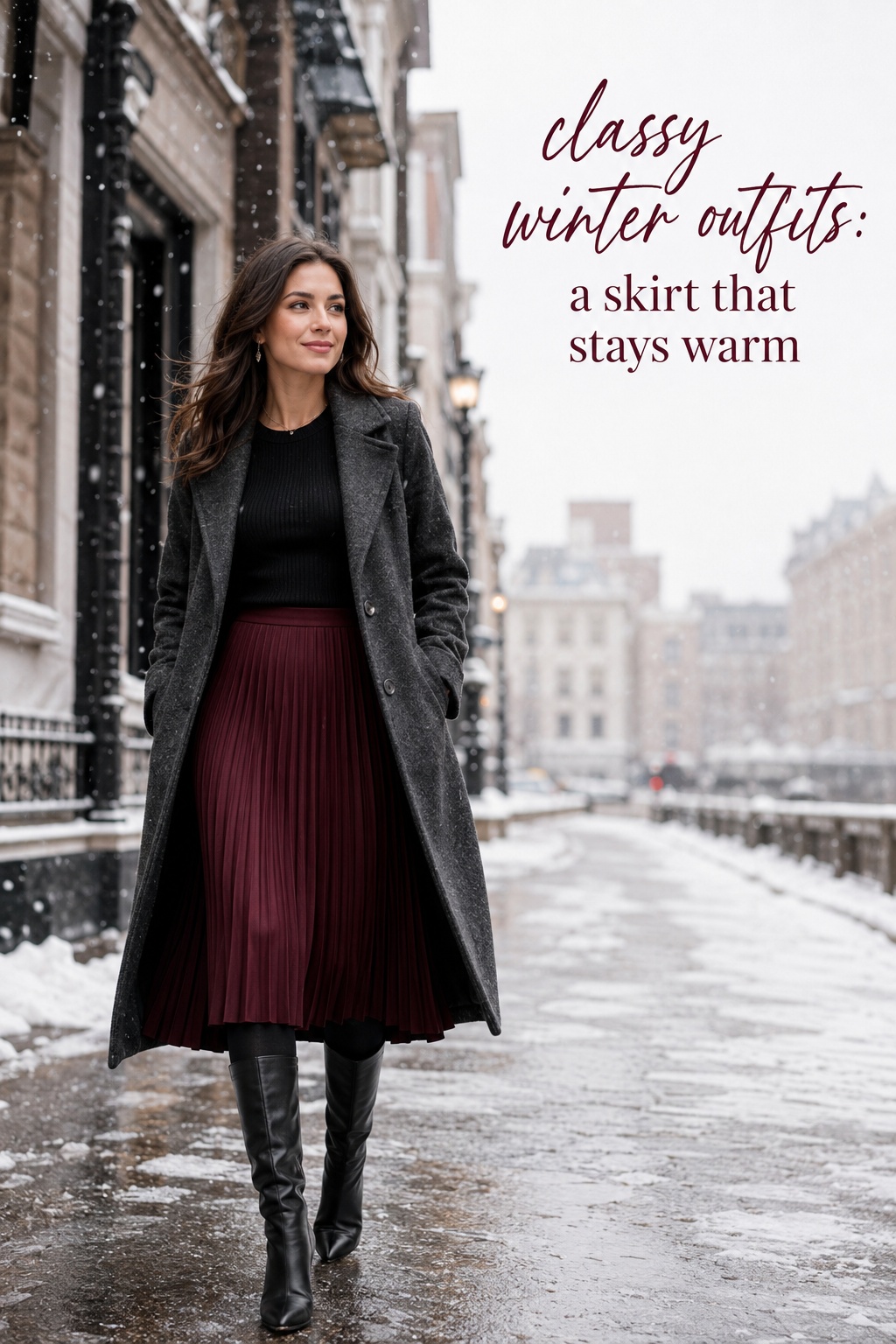
4. Midi skirt, tights, knit, and structured coat
A midi skirt gives winter outfits a feminine alternative to trousers. Pair a pleated, wool, satin, or denim midi with opaque tights, a tucked or fitted sweater, and a structured coat.
Knee-high boots naturally complement this silhouette, but ankle boots can work with longer midi skirts as well. Matching black tights and black boots can create a longer-looking leg line, while tonal combinations such as burgundy with chocolate or gray with navy create a softer effect.
This formula is especially useful for brunch, holiday lunches, dinners, creative workplaces, and casual celebrations. When temperatures are very low, add a thin thermal layer underneath the tights for extra warmth without changing the appearance of the outfit.
Choose the best formula for the occasion
Once you have a few dependable formulas, getting dressed becomes much faster. Rather than choosing an outfit based only on appearance, match the silhouette and footwear to the setting, weather, and amount of movement your day requires.
For a polished workday
Wide-leg trousers with a fine knit and structured coat can create a sophisticated business-casual outfit. A knit dress is another practical option when you want a simple base that can transition from commuting to meetings.
Add a structured tote, understated jewelry, and comfortable boots or loafers. If your workplace is warm, keep a removable cardigan or lighter layer nearby so you can stay comfortable indoors without changing the whole outfit.
For casual weekends and errands
Straight-leg jeans, a fine knit, and a tailored coat offer a comfortable balance between casual and polished. On dry days, clean sneakers or loafers can work well. For wet or snowy conditions, choose boots with reliable traction.
A puffer coat can also fit into a polished winter wardrobe. The trick is to keep the rest of the outfit simple. Straight trousers, a column-shaped knit dress, or clean denim can prevent the puffer from making the entire silhouette look oversized.
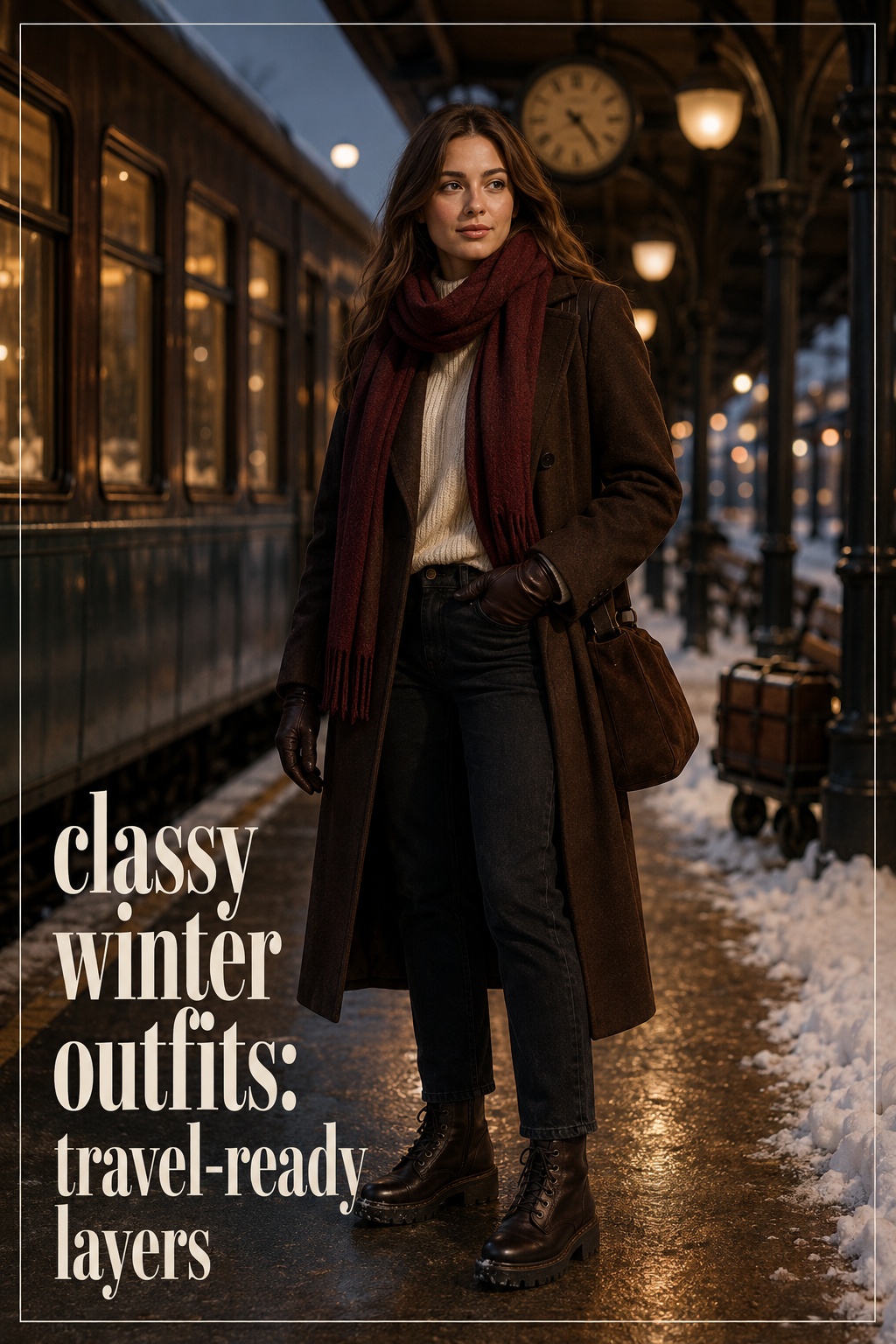
For travel and long days outside
Travel outfits need to handle temperature changes, long periods of sitting, and plenty of walking. Straight-leg denim or relaxed tailored trousers with a fitted base layer can offer more flexibility than delicate pieces.
Choose a coat that closes securely and bring a scarf that can provide additional warmth on planes, trains, or chilly platforms. A coordinated palette of cream, camel, charcoal, navy, black, and chocolate also makes it easier to reuse the same pieces throughout a trip.
For dinner and winter evenings
A knit dress or midi skirt can create a clear transition from daytime dressing to an evening look. You can add interest through texture rather than excessive accessories. Satin, velvet, brushed wool, leather, and polished metal details can make simple winter basics feel more special.
Practical footwear does not have to look casual. A refined flat, low block heel, stable ankle boot, or elegant knee-high boot can work beautifully while remaining easier to walk in on cold or wet streets.
Trade-offs, mistakes, and quick fixes
Small styling adjustments can make a big difference in winter outfits. Before heading out, check whether the layers work together, whether the shoes suit the weather, and whether the overall color palette feels connected.
Mistake: every layer is oversized
Oversized pieces can be warm and comfortable, but wearing several loose layers at once can make the outfit lose its shape. Keep at least one element closer to the body.
A fitted turtleneck under a roomy coat, straight trousers with a relaxed sweater, or a slim dress under an oversized coat provides enough contrast to keep the silhouette intentional.
Mistake: the coat belongs to a different outfit
The coat is often the first thing people notice outdoors, so it should work with the complete outfit. Try on the coat with your chosen sweater, trousers, shoes, and bag before deciding that the look is finished.
Check the sleeve length, collar, shoulder fit, coat hem, and how comfortably your bag sits underneath or over the outer layer. The coat should complete the outfit rather than compete with it.
Mistake: practical footwear looks like an afterthought
Winter boots can be both functional and polished. Choose a clean shape and repeat a color from another part of the outfit to make the footwear feel intentional.
If your boots are visually substantial, balance them with a longer coat, straight trousers, or a substantial knit. Practical shoes become much easier to style when they look like part of the outfit from the beginning.
Mistake: too many unrelated colors
Winter outfits already contain several layers and textures, so a controlled color palette can make everything look more cohesive. Try combining two neutral shades with one accent color.
For example, cream and charcoal can be paired with burgundy, while camel and navy work naturally with chocolate. Repeating one color in the bag, scarf, belt, or footwear can also help the entire outfit feel connected.
Mistake: shopping for isolated statement pieces
A beautiful coat or pair of boots is much more useful when it works with the clothing you already own. Before purchasing a statement item, think of at least three outfits you could create with it.
Check whether the coat has enough room for your warmest sweater, whether the footwear works with your usual trouser and skirt lengths, and whether the color fits your existing wardrobe. Versatile pieces tend to provide more outfit combinations than highly specific purchases.
FAQ
What makes a winter outfit look classy?
A polished winter outfit usually has a clear silhouette, coordinated colors, and layers that work together rather than competing for attention. You do not need expensive clothing to achieve this effect. A well-fitting coat, clean footwear, and one thoughtful accessory can make simple basics look much more refined.
How can I look elegant without feeling cold?
Use several lightweight layers instead of relying on one extremely thick sweater. A fitted thermal or merino base can sit underneath a fine knit and a warm outer coat. Add practical accessories such as insulated socks, gloves, and a scarf when temperatures drop further.
Are jeans suitable for classy winter outfits?
Absolutely. Straight-leg, dark, or gently wide-leg jeans can look polished when paired with a structured coat, refined knit, and clean footwear. If you want a dressier appearance, choose denim without heavy distressing and make sure the hem works with the boots or shoes you are wearing.
What coat color is most versatile for winter?
Black, camel, charcoal, navy, and chocolate are versatile winter choices because they work with many different colors and silhouettes. Camel can brighten darker outfits, charcoal gives a modern appearance, navy offers a softer alternative to black, and black transitions easily from daytime to evening.
Can a puffer coat look classy?
Yes. A puffer can look polished when its shape is simple and the rest of the outfit has a controlled silhouette. Try a matte finish in a neutral shade with straight trousers, clean denim, or a column-shaped knit dress. Keep the accessories streamlined to maintain a neat overall appearance.
Which winter shoes look polished but remain practical?
Weather-resistant ankle boots, knee-high boots, refined lug boots, and clean sneakers for dry days can all work. Stable low heels, simple hardware, and classic toe shapes tend to make practical footwear easier to style across workdays, weekends, and evening plans.
Finish the look
The finishing touches can make a simple winter outfit feel complete without adding unnecessary layers. A warm scarf, leather gloves, structured handbag, simple jewelry, or understated hat can add personality while still keeping the outfit practical.
Choose accessories that connect with the colors already present in your outfit. For example, a burgundy scarf can add warmth to camel and charcoal, while a brown leather bag can tie together chocolate boots and a neutral coat.
Remember that winter style is not about wearing more pieces. It is about choosing useful layers, balancing proportions, and making sure every part of the outfit has a purpose. With a few dependable formulas, it becomes much easier to create classy winter outfits that feel comfortable, practical, and personal.