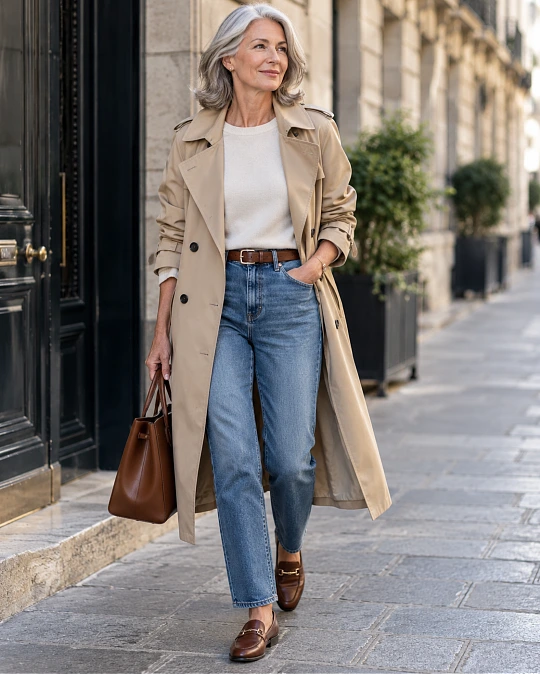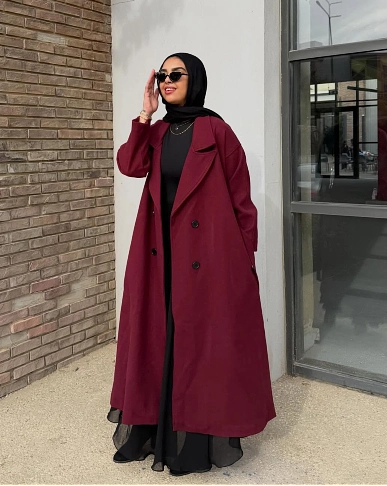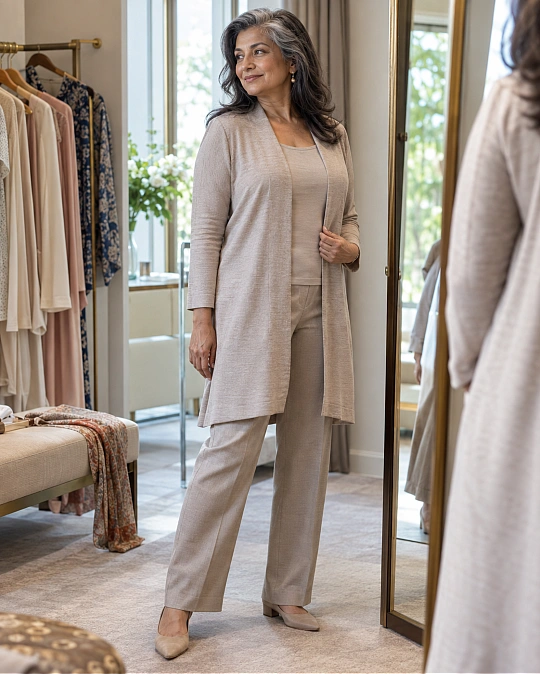
How to Dress a Rectangle Body Over 50 to Create Definition
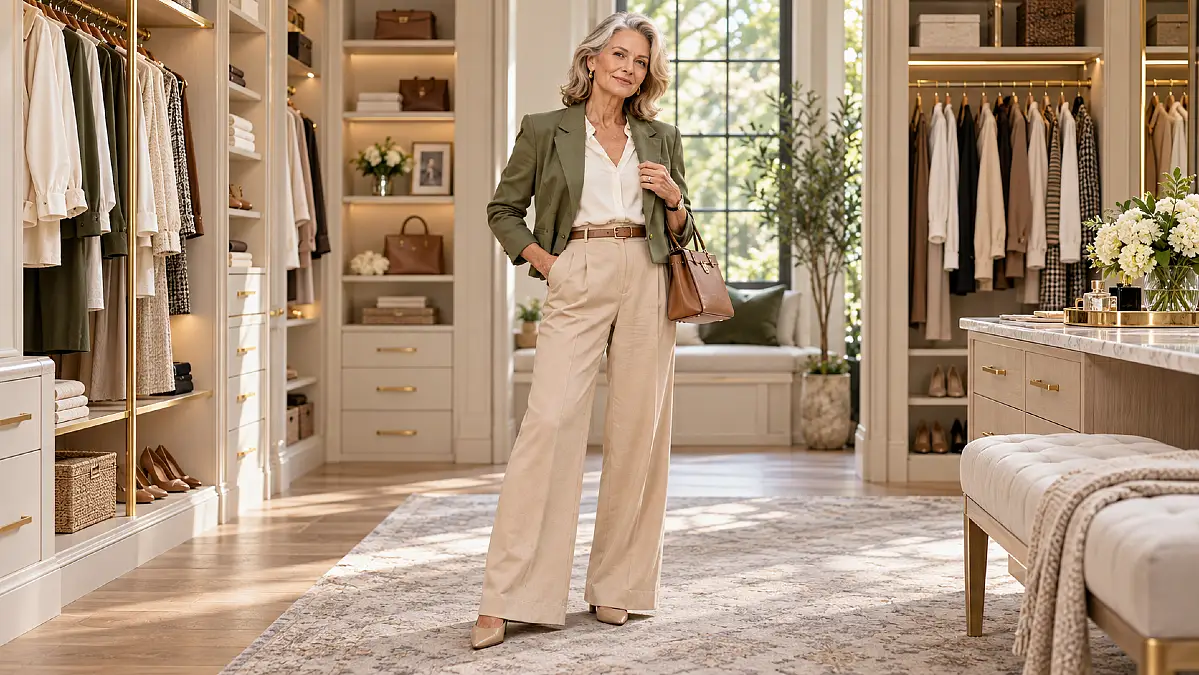
Image credit: Sagely Chic
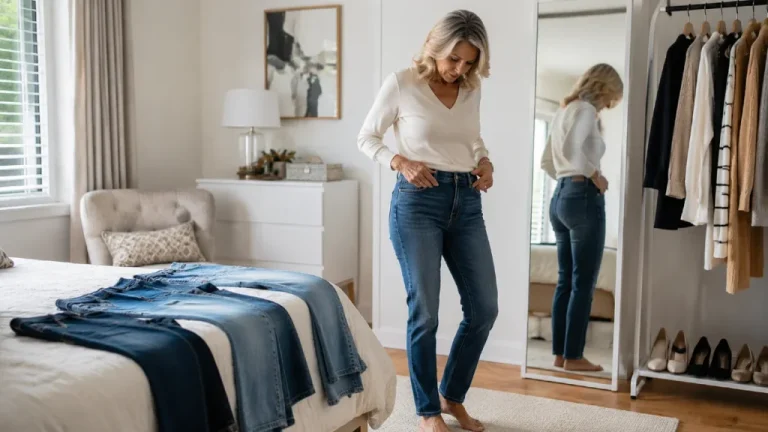
Getting dressed with a rectangle body shape is not about trying to create curves that your body does not naturally have. It is about choosing proportions that give your outfit movement and definition.
When tops, jackets, trousers, and layers all follow the same straight line, an otherwise polished outfit can look a little flat. The good news is that you can change that effect without relying on restrictive clothing.
Small adjustments to hems, waist placement, fabric weight, color, and proportions can make a noticeable difference. You can stay comfortable while giving your clothes a more intentional shape.
The goal is simple: create definition through styling rather than trying to change your body.
Why Rectangle Shapes Can Look Straighter in Certain Clothes
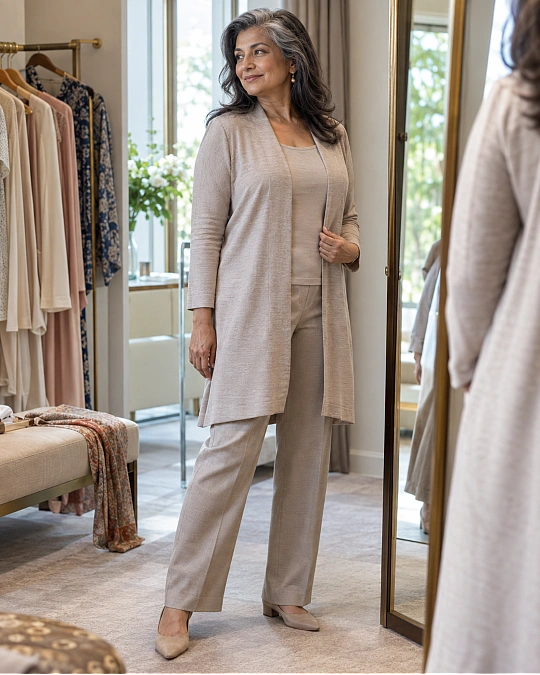
Image credit: Sagely Chic
A rectangle body shape typically has shoulders, waist, and hips that appear relatively similar in width. There is nothing wrong with that naturally balanced silhouette, but certain clothing combinations can emphasize the straightness.
For example, a long oversized sweater worn with straight trousers creates one continuous vertical line. If the colors are also similar from top to bottom, there may be very little visual interruption.
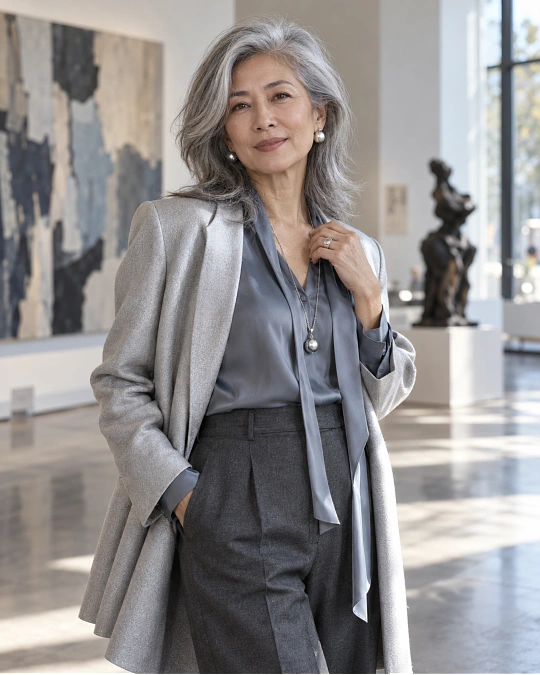
Instead of trying to force a dramatic waist, look for ways to introduce contrast. A shorter jacket, defined waistband, open neckline, fuller trouser leg, or change in color can all help.
These techniques are especially useful when you want comfortable outfits over 50 that still have a polished, shaped appearance.
Create Definition With Contrast Rather Than Tightness
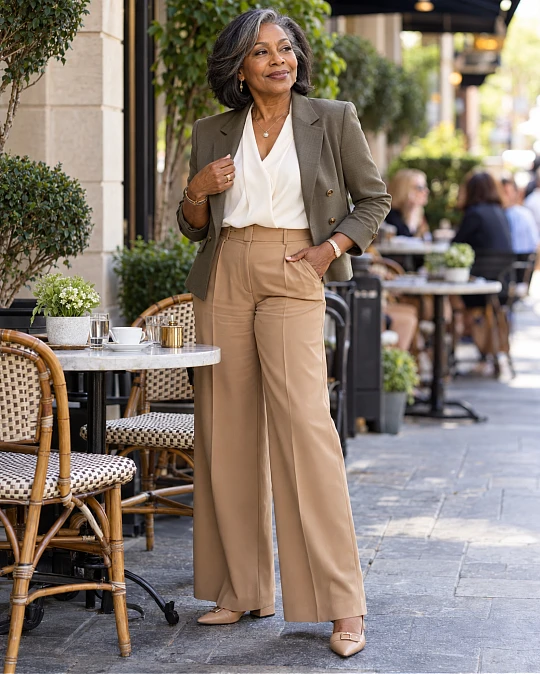
Image credit: Sagely Chic
Creating the appearance of a waist does not mean squeezing your middle into tight clothing.
Often, definition comes from showing exactly where one part of an outfit ends and another begins. A partially tucked blouse with wide-leg trousers, for instance, creates a natural visual break without needing a fitted top.
A shorter jacket can achieve something similar. It gives the eye a clear stopping point around the waist or upper hip while leaving the rest of the outfit relaxed.
Fabric is another important consideration. Extremely stiff materials can make the torso look boxy, while very thin fabrics may cling rather than skim. Medium-weight fabrics with some movement are often easier to style.
| Piece or Fabric | What to Look For | Why It Helps |
|---|---|---|
| Blouse | Soft drape with some structure through the shoulders | Creates shape without clinging around the middle |
| Knitwear | Fine or medium-weight knit | Prevents the torso from looking overly bulky |
| Blazer | Light waist shaping or a shorter hem | Interrupts a straight shoulder-to-hip line |
| Trousers | Wider legs, gentle pleats, or shaping through the hips | Adds visual interest below the waist |
| Dress fabric | Fluid jersey, crepe, or cotton blends | Moves naturally while maintaining some structure |
Fit note: When an outfit feels boxy, check the hem before replacing the entire garment. A jacket that ends above the widest part of your hip can create a very different effect from one that stops directly across it.
Use Tops and Jackets to Show Where Your Waist Begins
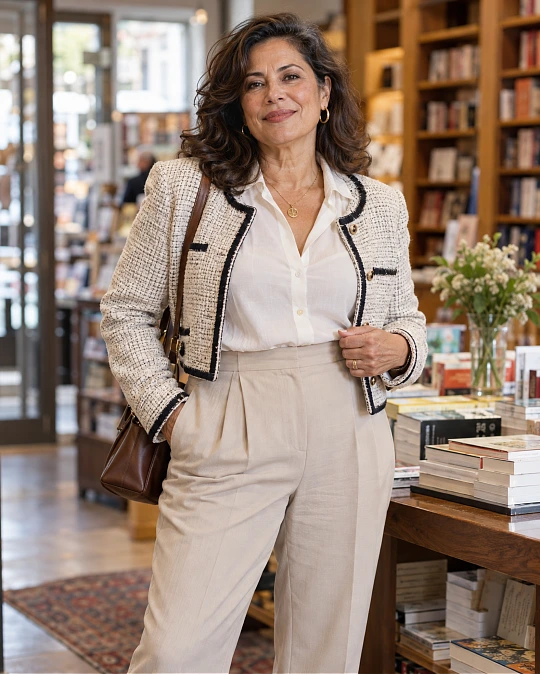
Image credit: Sagely Chic
The top half of your outfit can make a major difference to the overall silhouette.
A blouse that falls straight from the shoulders may reinforce a rectangular appearance. A small amount of shaping or a change in where the fabric ends can make the outfit look more balanced.
A relaxed front tuck is an easy starting point. You do not have to tuck the entire shirt tightly into your waistband. Showing just enough of the waistband can create a clear visual center.
Cropped and waist-length jackets are another useful option. Look for blazers with subtle shaping, curved seams, or a closure that naturally draws attention toward the middle.
Necklines can help as well. V-necks, open collars, scoop necks, and partially unbuttoned shirts introduce vertical space and keep the upper body from looking overly square.
If you prefer long tops, balance the length elsewhere. A side slit, curved hem, shaped sleeve, or wider trouser can prevent the entire outfit from becoming one uninterrupted column.
Let Your Bottom Half Add Some of the Shape
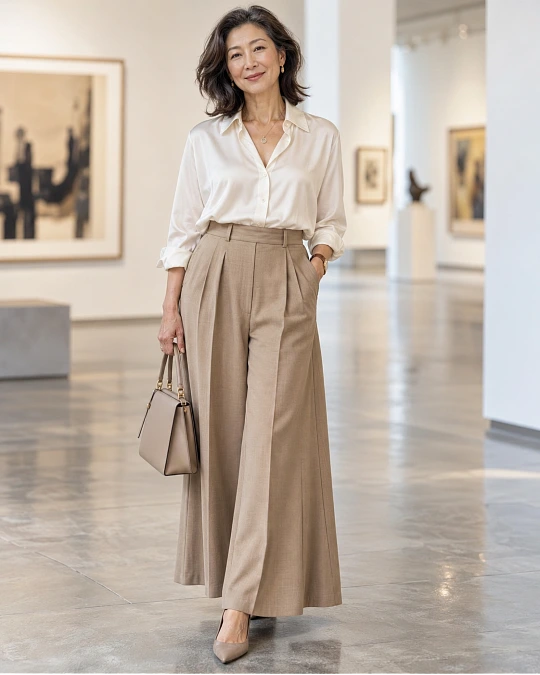
Image credit: Sagely Chic
Straight-leg trousers and jeans are dependable wardrobe staples, but they are not the only silhouettes worth considering.
Adding a little volume below the waist can create contrast and make the waistline easier to see. You do not need exaggerated shapes. Even a gentle change in the width of the leg can make an outfit feel more dimensional.
- Wide-leg trousers with a defined waistband and tucked knitwear.
- Soft pleated trousers that add movement around the hips.
- Bootcut jeans that gradually widen below the knee.
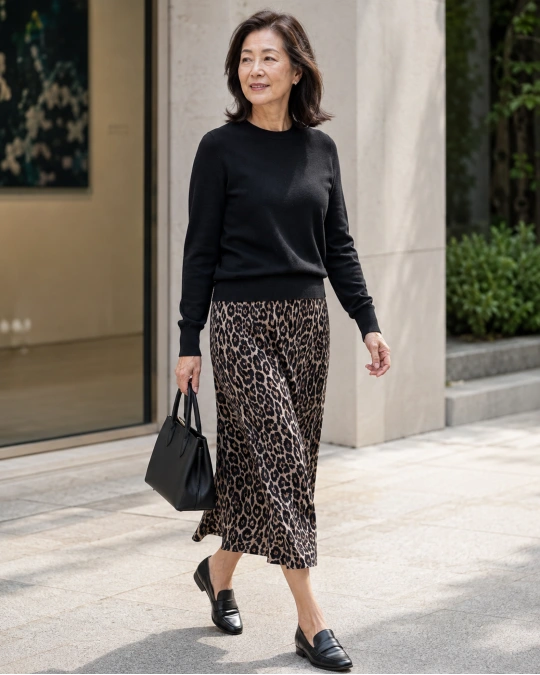
- A-line skirts that move outward from the waist.
- Bias-cut skirts for a softer, flowing silhouette.
The key is balance. A fuller bottom half often looks especially polished when the upper half has a clear stopping point.
Comfort upgrade: Look for waistbands with a little stretch and some contouring. A properly fitting waistband can actually make trousers more comfortable while helping the rest of the garment fall correctly.
Shoes can also influence the final proportions. Loafers, ankle boots, pointed flats, and low block heels generally provide enough visual weight to complement wider trouser legs.
Dresses Can Create Shape Without Hugging Every Curve
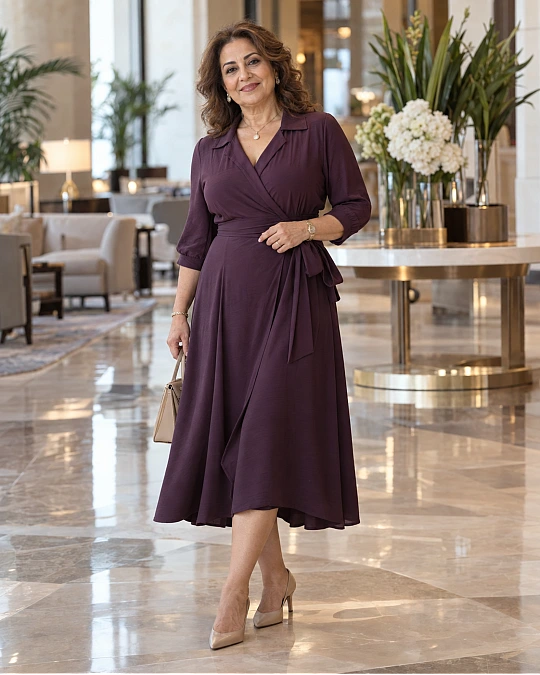
Image credit: Sagely Chic
Dresses are particularly useful when you want an outfit that looks coordinated without having to combine several separate pieces.
Wrap-style dresses are one option because the diagonal front creates movement across the torso and naturally directs attention toward the waist.
Shirt dresses can work beautifully too. Choose softer fabrics and adjustable waist details rather than stiff styles that create a rigid shape.
Fit-and-flare dresses provide another approach. The upper portion gives some definition while the skirt gently expands away from the body.
Even a straight column dress can be styled to create more shape. Add a cropped jacket, shorter cardigan, or relaxed belt to introduce a visual break.
| Occasion | Start With | Make This Swap |
|---|---|---|
| Casual lunch | Soft midi dress | Add a shorter denim jacket and loafers |
| Smart casual dinner | Wrap-inspired dress | Choose a low block heel and structured handbag |
| Travel day | Stretch column dress | Layer an open cardigan with supportive sneakers |
| Cooler weather | Knit midi dress | Finish with a waist-length jacket and ankle boots |
Color note: You do not need dramatic color blocking to create definition. Two shades from the same color family can work when the layers have noticeably different lengths or shapes.
Small Styling Choices Can Accidentally Flatten the Silhouette
Relaxed clothing can be incredibly stylish. The problem usually appears when every part of the outfit is oversized, long, and similar in proportion.
Instead of abandoning comfortable pieces, look for one place where you can introduce contrast.
| If This Feels Too Boxy | Try This Instead |
|---|---|
| Long loose top with loose trousers | Add a front tuck or shorter outer layer |
| Oversized blazer with wide trousers | Use a slimmer base layer or reveal the waistband |
| Long cardigan over a long straight dress | Choose a shorter cardigan or leave it open |
| Chunky untucked sweater with straight jeans | Try a finer knit with bootcut or wider jeans |
| Tightly pulled belt | Let seams, tucks, or a softer belt provide the definition |
These are styling options, not strict rules.
If you love a long tunic with wide-leg pants, keep wearing it. You might simply prefer the combination when the tunic has side slits, the neckline is open, or the trousers have a clearly defined waistband.
The purpose of proportion advice is not to hide your natural shape. It is to help you decide where you want the eye to notice structure and movement.
Use Color and Texture to Break Up a Straight Outfit
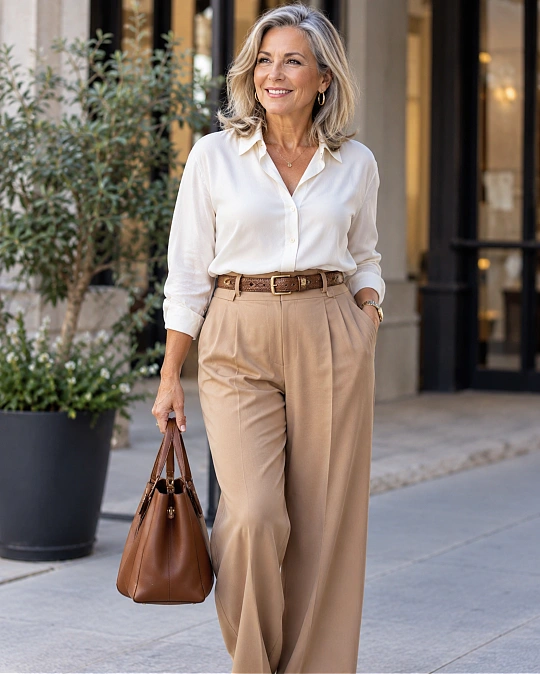
Image credit: Sagely Chic
You can change the appearance of an outfit without changing its basic silhouettes.
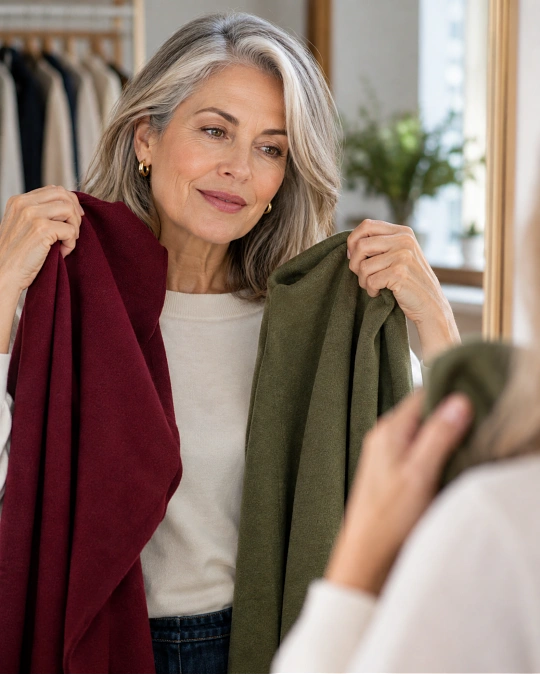
Color is an easy way to create a visual break. A light knit tucked into darker trousers immediately establishes a transition around the waist. A jacket in a slightly different shade can create another layer without looking dramatic.
Texture can have a similar effect. Try pairing a smooth knit with denim, a silky-looking blouse with structured trousers, or a soft sweater with a textured accessory.
This approach is especially useful if you prefer a smaller wardrobe with versatile neutral clothing. You can create several different looks simply by changing texture, color placement, or the length of your layers.
That means a simple wardrobe does not have to produce repetitive-looking outfits.
Build One Rectangle Body Outfit Formula You Can Repeat
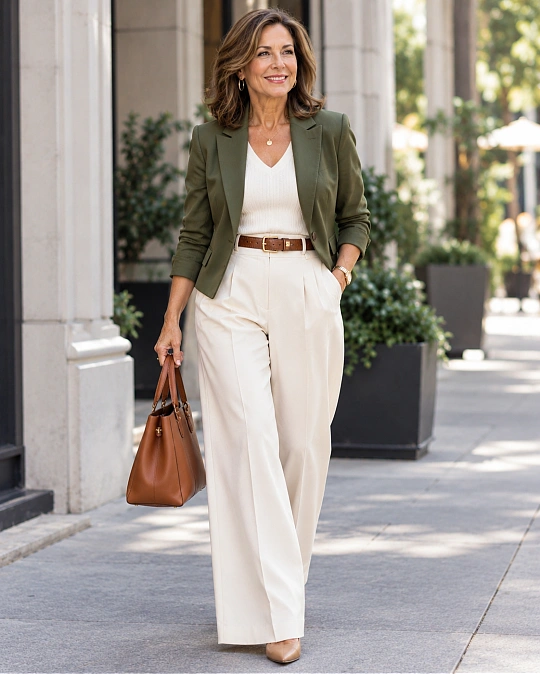
Image credit: Sagely Chic
The best outfit formula is one that works during an ordinary day, not just when you have plenty of time to experiment.
One useful starting point is:
Softly shaped top + defined waistband + fuller or shaped bottom + structured finishing layer
For example, pair a tucked V-neck sweater with wide-leg trousers and a shorter jacket.
Another version could be a soft blouse with bootcut jeans and a blazer that finishes around the high hip.
For casual days, try a simple cotton tee with an A-line midi skirt and a cardigan that ends around the waist.
The individual garments can change from season to season. What remains consistent is the proportion.
Once you know that you like a visible waistband, some movement below it, and a shorter finishing layer, shopping and getting dressed become much simpler.
Instead of starting from scratch every morning, you can ask which version of your favorite formula fits the day.
Frequently Asked Questions
What clothes suit a rectangle body shape over 50?
Pieces that create some distinction between your shoulders, waist, and lower body can work particularly well. Consider softly tucked tops, lightly shaped jackets, wide-leg or bootcut trousers, A-line skirts, and wrap-inspired dresses.
The goal is not to disguise a straight silhouette. It is to introduce movement and proportion in ways that feel natural to you.
Should a rectangle body wear a belt?
Absolutely, if you enjoy wearing one.
A belt can be especially useful over a soft dress or with high-rise trousers. It does not need to be pulled tightly. A relaxed belt can provide enough visual definition without becoming uncomfortable.
If belts are not your thing, use a tuck, seam, contrasting color, or shorter jacket to create a similar effect.
Can women with rectangle shapes wear oversized clothes?
Yes. Oversized clothing can look polished on a rectangle shape when another part of the outfit provides contrast.
For example, balance a roomy blazer with a more streamlined base layer, or wear a relaxed sweater with trousers that have a visible waistband and some shape through the leg.
What jeans work well for a rectangle body over 50?
Straight-leg, bootcut, wide-leg, and softly flared jeans can all be useful options.
If your goal is to create more contrast between your waist and lower body, bootcut and wider-leg styles can provide noticeable movement. The rise and waistband are just as important as the leg shape, so choose a pair that sits comfortably and securely.
How can I create a waist without wearing tight clothes?
Think about visual placement rather than tightness.
A partial tuck, cropped jacket, contrast waistband, wrap detail, shaped seam, or gently flared skirt can all create the impression of a waist. Often, simply changing where a garment begins and ends is enough to give an outfit more definition.