A heavy Sunday newspaper lands on the porch in the cold Ohio morning, but this time I leave it there. On my sixty-fifth birthday, I also switched off the morning television news and decided to step away from my long-standing habit of following every headline.
As a retired high school history teacher, I had spent years keeping up with national and international events. I thought staying informed meant checking the news every morning, following updates throughout the day, and watching evening coverage before bed.
One year later, I noticed that my daily routine had changed in ways I did not expect. I had more time for hobbies, fewer conversations centered on headlines, and more attention for the people and activities immediately around me.
This is a personal account, not a claim that everyone should stop following current events. For me, reducing news consumption changed how I spent my attention and how much space the daily news cycle occupied in my life.
Quick Tips Before You Start
🗞️
Cancel the Paper
If a physical newspaper is part of your daily routine, consider pausing or canceling the delivery while you experiment with a quieter morning.
📺
Hide Remotes
Put the television remote somewhere less convenient so turning on the news is no longer an automatic first step after waking up.
📱
Delete Apps
Remove breaking-news apps and alerts from your phone if notifications are what repeatedly pull your attention back toward the news.
💬
Warn Family
Let family members know that you are taking a break from constant news updates so they understand why you may not want every headline sent to your phone.
1. Anxiety Plunged Within the First Three Weeks

Image credit: Sagely Chic
I had always assumed that keeping up with every major development was simply part of being responsible and informed. At 65, I decided to test what would happen if I stopped making the news the center of my morning.
Within a few weeks, I noticed that my mornings felt calmer. Instead of beginning the day with breaking-news banners, political arguments, and reports of problems happening far away, I started with breakfast, the weather, and whatever needed my attention at home.
That change did not mean every worry disappeared. It simply meant I was no longer voluntarily adding a steady stream of alarming information to the first part of my day.
💡 Tip: Before changing your routine, write down how you currently feel during and after news consumption. That gives you something personal to compare after a few weeks.
⚠️ COMMON MISTAKE
Trading One Screen for Another
Replacing television news with endless social-media scrolling can leave you in essentially the same cycle. If your goal is a quieter morning, try leaving your phone in another room while you eat breakfast.
2. Free Time Expanded by Ten Hours Weekly
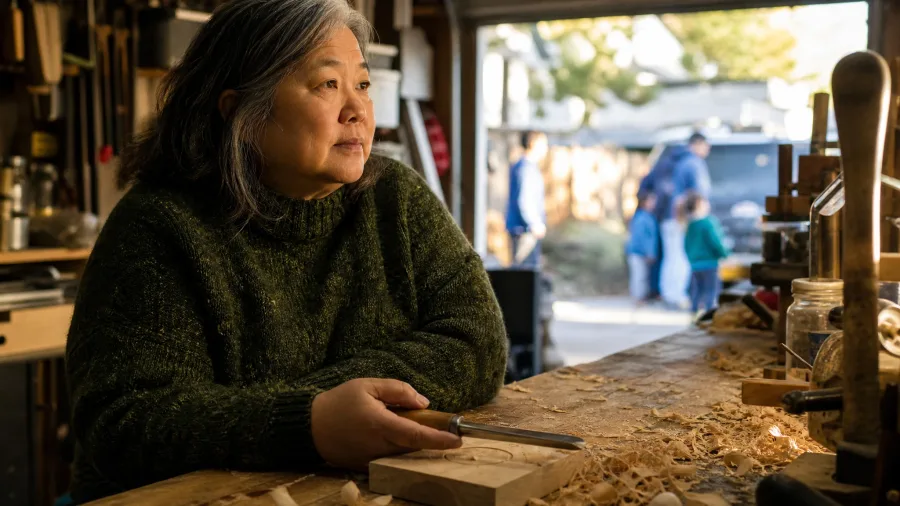
Image credit: Sagely Chic
One of the most obvious changes was the amount of time I suddenly had available. Once the morning newspaper, television broadcasts, repeated updates, and afternoon checking disappeared, several blocks of time opened up during the week.
I had never thought of watching the news as a major time commitment because each session seemed relatively short. Added together, however, those minutes became a surprisingly large part of my routine.
The first couple of weeks felt strange. My Ohio home seemed unusually quiet in the morning, and I kept reaching for the routine I had followed for years.
Instead, I set up a small woodcarving area in the garage. I also returned to fiction books that had been sitting untouched on my shelves. Having something specific to do made the transition much easier.
The Time Cost of Cable
📺 Morning broadcast 45 min
🗞️ Reading the daily newspaper 30 min
📱 Checking afternoon alerts 15 min
Total Time Recovered 10.5 hours every week
3. Sleep Quality Improved Without Late Night Updates

Image credit: Sagely Chic
For years, I could turn off the television at night and still feel as though the day’s headlines were running through my mind. Political arguments, international crises, and breaking stories often followed me into the bedroom.
When I stopped watching late-night news, I began creating a more predictable transition into sleep. Instead of finishing the day with another round of updates, I could read, talk with family, or simply let the evening become quiet.
The adjustment was not immediate. During the first month, I still found myself thinking about the old routine and wondering what I might be missing.
By the second month, however, evenings felt much less tied to what had happened on television that day. My experience suggested that removing a stimulating habit from bedtime can make the evening feel more settled, although sleep changes naturally differ from person to person.
📉
90 min
Former daily screen exposure
🌙
11 PM
Time the television goes dark
💤
Fewer interruptions
Nighttime routine became quieter
4. Conversations With Friends Became Much Deeper
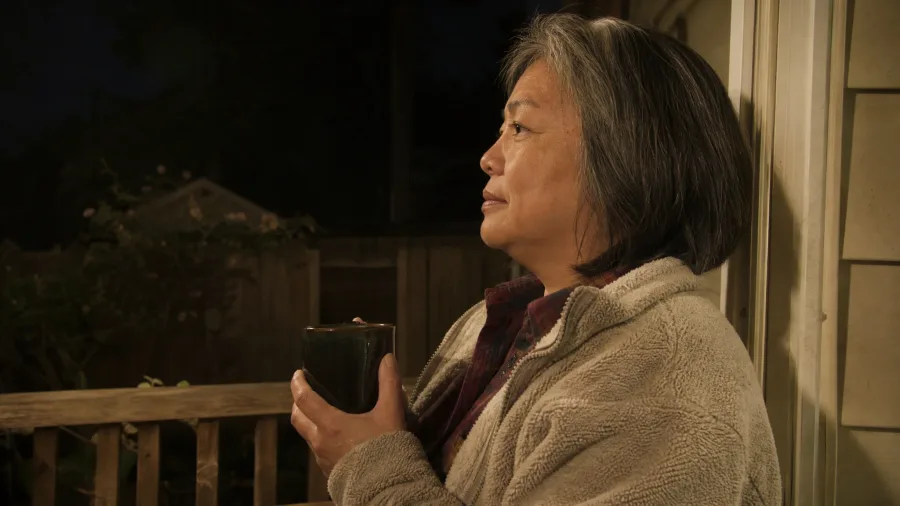
Image credit: Sagely Chic
“Did you hear what happened?” had become an almost automatic greeting among some of my friends and neighbors.
Once I stopped following every headline, I had fewer political talking points ready to discuss. At first, that felt surprisingly awkward. Then something interesting happened: we started talking about our actual lives.
Conversations moved toward grandchildren, hobbies, neighborhood projects, books, travel plans, and the ordinary things happening close to home.
The change reminded me that relationships do not have to revolve around national arguments or breaking headlines. Sometimes removing one familiar topic simply creates room for several better conversations.
💡 Tip: If a conversation immediately turns toward politics, try asking a genuine question about the person’s family, hobby, recent trip, or plans.
The Conversation Timeline
✕
Months 1 to 3: Withdrawal
- Biting my tongue during other people’s political rants
- Feeling uncomfortable when I had no current headline to discuss
- Wanting to check alerts during conversations
- Waiting for conversations to move onto another subject
✓
Months 4 to 12: Recalibration
- Discovering that some neighbors also preferred lighter conversations
- Learning more about the people living nearby
- Having longer conversations about everyday life
- Remembering more personal details about friends and neighbors
5. Focus and Concentration Span Rebounded
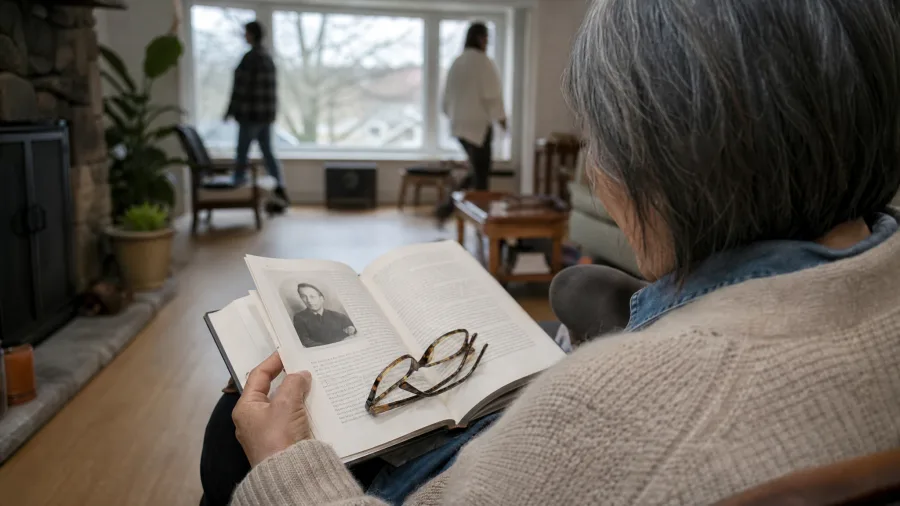
Image credit: Sagely Chic
I had spent years assuming that difficulty concentrating was simply part of getting older. Looking back, I realized that my attention was also being interrupted constantly by alerts, short news segments, headlines, and the urge to check what had happened next.
Once those interruptions became less frequent, I found it easier to sit with one activity for longer. Reading became more enjoyable, and I could spend more time on hobbies without feeling the need to check a screen every few minutes.
I even finished a long historical biography over one weekend. As someone who had taught history for decades, that felt like a small but satisfying reminder that my interest in deep reading was still there.
🧠 The Return of Attention
1
Week One
A restless urge to check for breaking alerts throughout the day.
2
Month One
Reading longer articles became easier without repeatedly switching to another screen.
3
Month Two
Quiet afternoons felt less mentally crowded.
4
Month Four
I could spend longer periods reading or working on a project without feeling pulled toward constant updates.
6. Feeling Out of Touch Proved Mostly Harmless
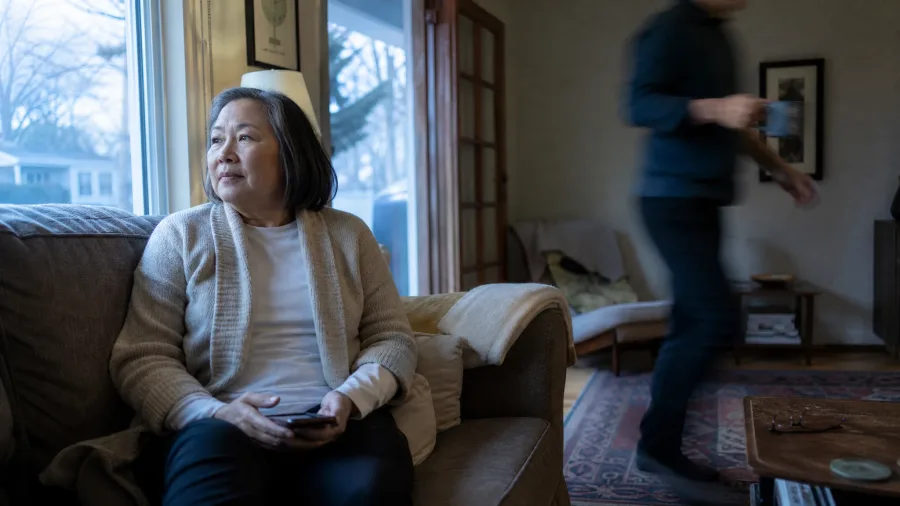
Image credit: Sagely Chic
The hardest part of stepping away from the news was the fear that I would miss something important. For the first month, I wondered whether I was becoming disconnected from the world.
What I eventually discovered was that there is a difference between being informed and consuming every update as it happens.
Friends, family, community organizations, and local conversations still brought important information into my life. When someone mentioned a major story I had missed, I could simply ask what had happened and listen to their summary.
That approach gave me enough context to understand the conversation without spending hours following every development.
Of course, important information does not automatically reach everyone, so stepping away from news completely may not be appropriate for every person or situation. For me, a slower and more selective approach worked better than constant exposure.
Where Information Comes From Now
60%
Family Texts
Direct messages about things that affect people I know.
30%
Community Flyers
Local notices, events, and information around the neighborhood.
10%
Friends
Conversations over the backyard fence or during everyday errands.
7. Outrage Cycles Disappeared From Daily Life

Image credit: Sagely Chic
I eventually realized how often the news left me irritated before the day had even properly begun.
Each new headline seemed to demand a reaction. One story led to another, and before long I could spend an entire morning thinking about events happening hundreds or thousands of miles away.
When I reduced that exposure, those emotional ups and downs became less prominent in my everyday routine. I had fewer reasons to become angry about something I could not directly influence.
That did not make every day perfectly peaceful. It simply gave me more control over what I allowed to occupy my attention.
The Physiology of Peace
🫀 Heart Rate
A calmer morning routine felt physically easier.
🧠 Cognitive Load
Fewer headlines meant fewer topics competing for my attention.
😊 Patience
I noticed more patience during ordinary errands and conversations.
The Core Shift
Removing repeated triggers gave me more space to decide what deserved my attention each day.
8. Sense of Agency Over Local Life Returned
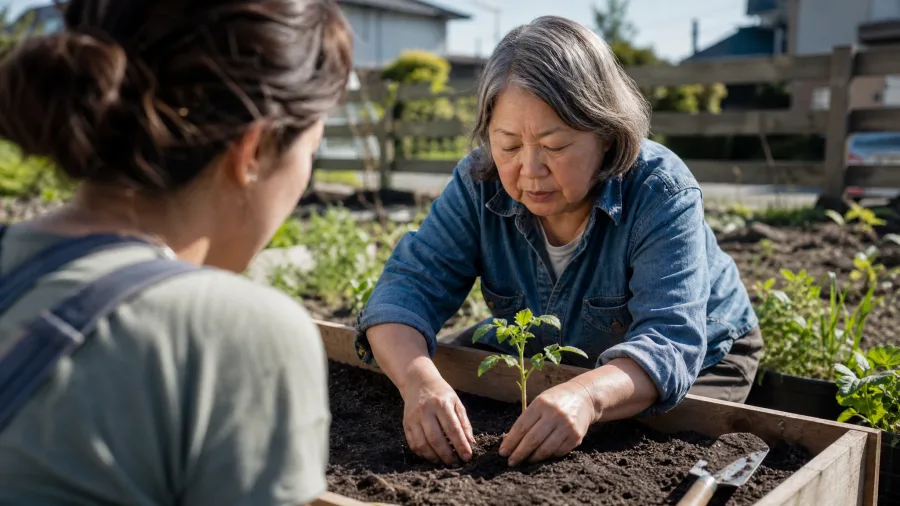
Image credit: Sagely Chic
One of the biggest changes was realizing how much easier it was to act when I focused on things within my immediate reach.
National and international problems can be important, but I rarely had a direct way to address them from my kitchen table. My local community was different.
Instead of spending the morning following distant events, I began paying more attention to neighborhood projects and activities where I could actually participate.
One Tuesday, I spent the morning working in our neighborhood garden. I pulled weeds, repaired a cedar planter, and could see the results of that work before lunchtime.
That small experience gave me something the news rarely could: a clear task, a practical contribution, and an immediate result.
9. Mental Quiet Replaced Constant Background Noise
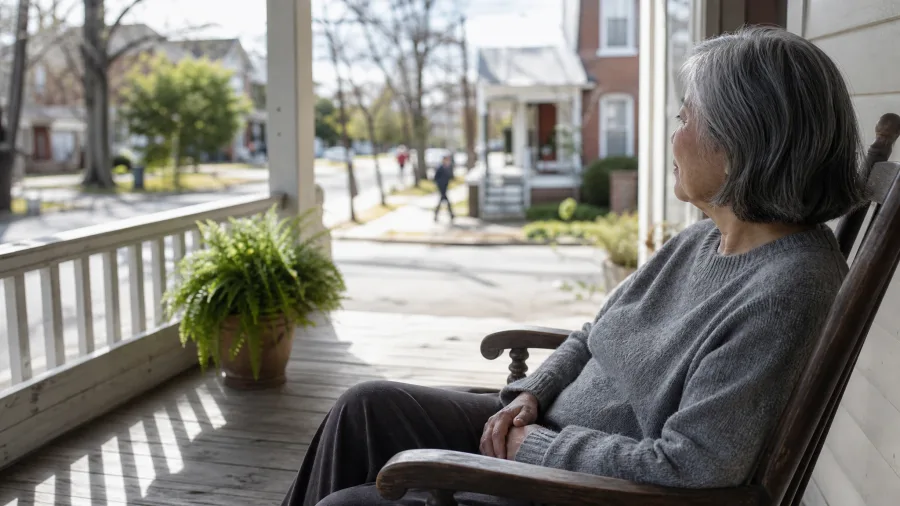
Image credit: Sagely Chic
For most of my adult life, I believed that following the news closely was simply part of being a responsible citizen. As a former history teacher, staying informed had always felt especially important to me.
What changed was not my interest in the world. I still care about what happens beyond my neighborhood. What changed was the amount of time and emotional energy I gave to the constant news cycle.
By month twelve, my mornings felt noticeably quieter. I could sit outside on the porch without immediately reaching for a phone or turning on the television.
The space that had once been filled with repeated headlines was now available for reading, gardening, conversations, hobbies, and simple reflection.
I also stopped rehearsing arguments about events I could not personally change. Instead, I became more interested in the parts of my own life where my choices actually mattered.
The result was not that I stopped caring about the world. I simply stopped allowing the daily news cycle to decide what I thought about from morning until night.
Frequently Asked Questions
Will I feel less anxious if I stop watching the news?
You may find that reducing constant news exposure makes your routine feel calmer, particularly if headlines and alerts are a major source of stress for you. Individual experiences vary, so treat it as a personal experiment rather than a guaranteed result.
What do I do with all the extra time?
Use the recovered time for activities that give you something concrete to focus on. Reading, walking, gardening, crafting, volunteering, cooking, and local community activities are all simple options.
How does cutting the news affect my relationships?
It can change the subjects you talk about. Without constant headlines providing an easy conversation starter, you may naturally spend more time discussing family, hobbies, plans, memories, and everyday experiences.
Won’t I miss out on important world events?
You might miss some updates if you completely stop following the news. A slower approach can be a useful middle ground: check reliable sources occasionally, ask trusted people about major developments, or follow only information that directly affects you.
Does avoiding evening broadcasts help with sleep?
For some people, a quieter bedtime routine may make it easier to relax. If evening news keeps your mind active, replacing it with reading, music, conversation, or another relaxing activity may be worth trying.
The Only Test You Need To Run
At 66, I realized that I did not need to spend every morning supervising the world’s problems from my living room.
That does not mean everyone needs to quit the news completely. Instead, try a simple seven-day experiment. Turn off breaking-news notifications, keep the television news off during breakfast, and decide when and how you want to check reliable information.
Pay attention to what changes: your mornings, your conversations, your available time, your concentration, and how often you find yourself thinking about headlines.
After seven days, you can decide whether the quieter routine is useful for you or whether you prefer a different balance.
Ready to reclaim your mornings?
Try giving your first hour of the day back to yourself. Leave the newspaper unopened, keep the television off, silence unnecessary alerts, and see what you naturally choose to do with the quiet.
You may discover that the world does not require your attention every minute for you to remain connected to the people and things that matter most in your own life.