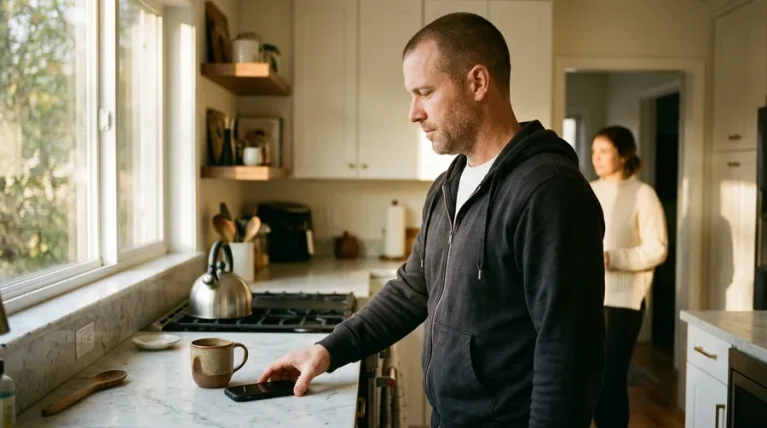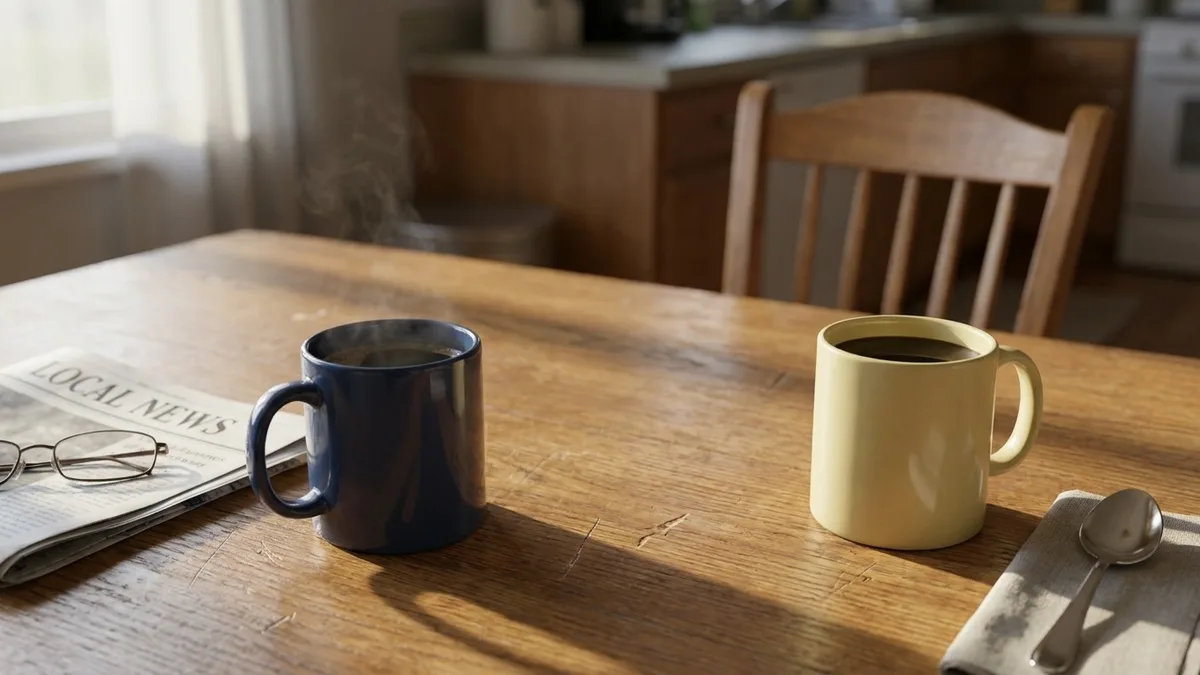
Two women can lose their husbands within the same month and experience grief in very different ways.
One may keep everything exactly as it was, while another starts rearranging rooms, changing routines, and slowly creating a different rhythm for everyday life.
The difference is not necessarily how deeply they loved their spouses. Grief has no single timetable, and there is no correct way to remember someone you have lost.
What can make a difference is how you respond to the sudden changes in your home, schedule, relationships, and sense of identity. These are the things that helped me begin rebuilding my life after being widowed at 71.
Does Time Actually Heal Anything After Seventy?
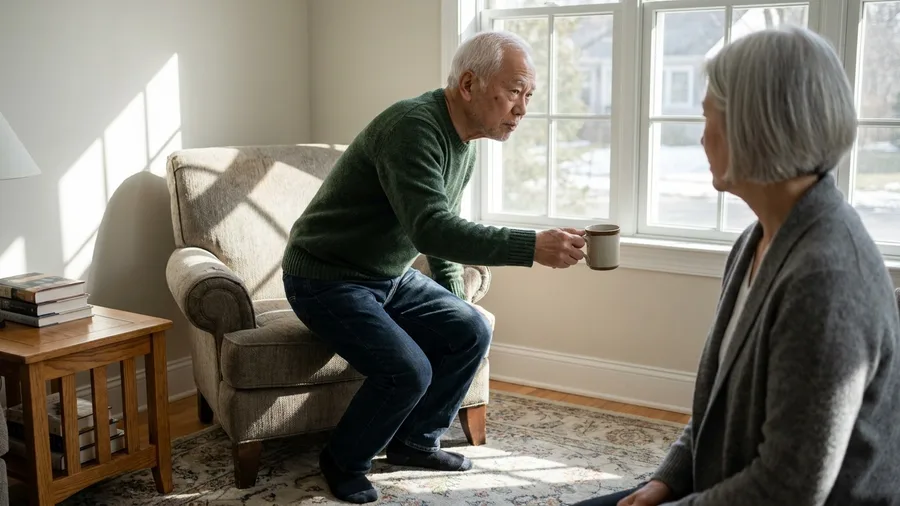
People often say that time heals everything. I found that time alone was not enough.
After losing a spouse you have shared decades with, you are not only grieving a person. You are also adjusting to an entirely different daily life. The morning routine changes. Meals change. Even the sound of the house can feel unfamiliar.
Simply waiting for the sadness to disappear did not help me as much as gradually creating new routines and making small changes around me.
Grief is not a checklist that everyone completes in the same order. Some days feel manageable, while others can bring the loss back with surprising force.
MYTH Grief follows five predictable stages that everyone moves through in order.
FACT Grief can be unpredictable, personal, and different from one person to another.
MYTH Time automatically makes the loss easier.
FACT Time can create room for adjustment, but supportive relationships, routines, meaningful activities, and professional help can also play an important role.
0. Changing the Physical Space Immediately
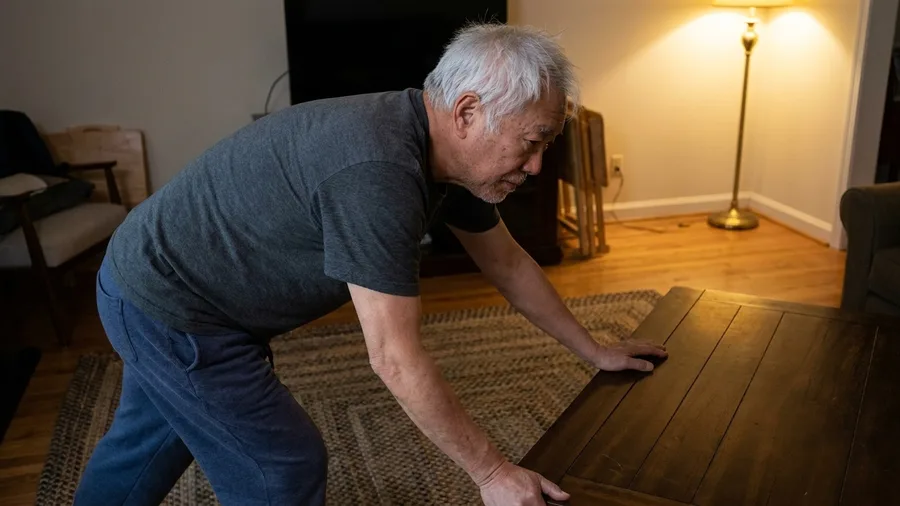
One of the first things I struggled with was the question of what to do with his chair.
Was moving it too soon disrespectful? Was leaving everything untouched somehow more loving?
I eventually realized there was no universal timetable for changing a room. Rearranging furniture does not erase a marriage or diminish the importance of the person who died.
For me, changing the layout of one room made the house feel slightly less frozen in time. It was a small, reversible decision that reminded me that I was still allowed to live in my home.
You do not have to remove every reminder immediately. If moving one chair, repainting a room, or changing the bedroom arrangement makes the space more comfortable, you can do that when you are ready.
⚠️ COMMON MISTAKE
Waiting on Everything
It can be sensible to give yourself time before making major financial, real-estate, or irreversible decisions. But that does not mean every small change has to wait for a specific date.
Small adjustments to your living space can be completely separate from major decisions about the future.
0. Does Retreating Always Mean You Are Sinking?

There were days when I canceled plans simply because I needed to be alone.
At first, I worried that turning down invitations meant I was withdrawing too much. Eventually, I learned that there is a meaningful difference between choosing quiet time and becoming completely disconnected.
Sometimes a crowded lunch or long conversation can feel exhausting during early grief. Taking a quiet afternoon to read, rest, or simply sit at home can be a reasonable part of caring for yourself.
The question I found useful was simple: am I resting, or am I hiding?
If you need a quiet day, you can tell someone, “I am taking a quiet day today, but I would love to connect next week.” You do not have to provide a long explanation.
At the same time, persistent withdrawal can be a reason to reach out for additional support, especially if you are struggling to manage ordinary daily activities or feel increasingly hopeless.
Solitude vs. Isolation
☕
Healthy Solitude
- Turning down a crowded dinner because you need quiet time.
- Feeling refreshed after spending some time alone.
- Answering messages even when you do not want a long conversation.
- Using quiet hours to rest and regain some energy.
🚪
Dangerous Isolation
- Ignoring calls and messages for days at a time.
- Staying in bed because everyday activities feel pointless.
- Avoiding necessary errands because leaving home feels impossible.
- Feeling trapped by the silence rather than restored by it.
0. Handing People the Exact Words to Use

“I know you may not know what to say, and that is okay. Tell me about your garden instead.”
I found that people around me often wanted to help but were afraid of saying the wrong thing.
Sometimes giving them a simple direction made conversations easier. I could say, “I am having a difficult day, but I would love to hear what your family has been doing.”
That gave both of us permission to have an ordinary conversation without pretending the loss had never happened.
You also do not have to discuss your grief every time someone calls. Some days you may want to talk about your spouse. Other days you may want to discuss gardening, television, grandchildren, recipes, or absolutely nothing serious.
0. Why Should You Throw Away the Condolence Cards?
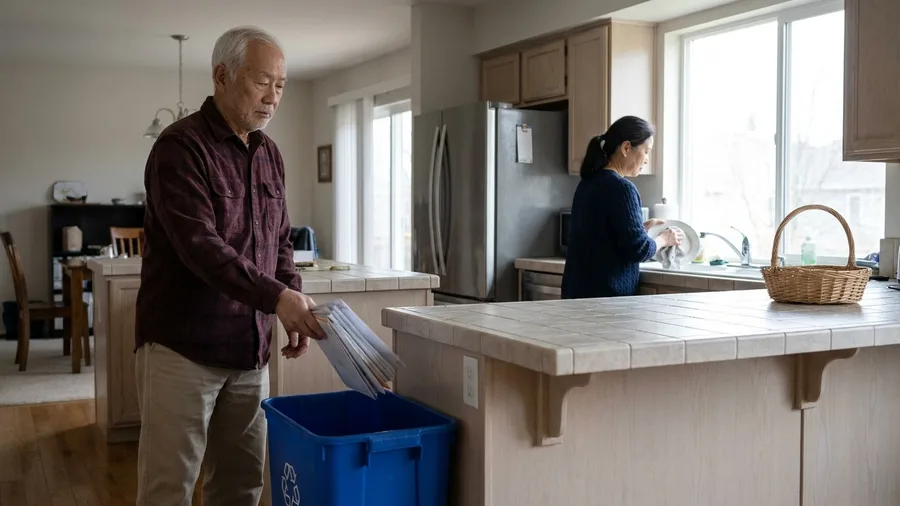
After the funeral, sympathy cards seemed to appear everywhere.
For some people, keeping these messages can be comforting. For others, seeing a large collection of cards every morning can keep the most painful period constantly in view.
I eventually realized that I did not have to preserve every piece of paper to appreciate the kindness behind it.
I kept the messages that meant something special to me and let go of the rest. There was no disrespect in doing that.
A condolence card is a way someone offered support during a difficult moment. The support can remain meaningful even if the physical card does not stay in your home forever.
The Weight of Paperwork
🏦
Financial Transfers
Changing account information and handling financial paperwork can require time, organization, and multiple documents.
✉️
Sympathy Mail
A stack of condolence messages can become a daily visual reminder of an especially painful period.
🚗
Asset Titles
Updating ownership information can become another practical task during an already overwhelming period.
📞
Service Cancellations
Canceling accounts and explaining the loss repeatedly can be emotionally draining.
0. Scheduling the Silent Hours
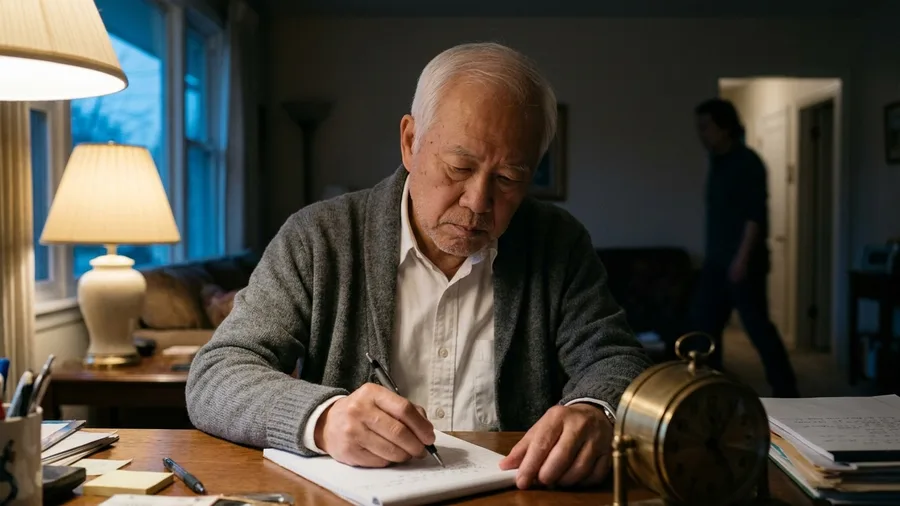
The mornings were especially difficult.
I would wake early and suddenly remember that the person who had always been part of that morning routine was no longer there. The quiet could make the entire day feel impossibly long.
People often told me to take things slowly, but an entirely unstructured day did not always feel restful. Sometimes it made the hours feel even heavier.
A simple routine gave me something concrete to follow when motivation was low. It did not make grief disappear, but it gave the day a beginning, middle, and end.
You do not need a rigid schedule if that feels overwhelming. A few dependable anchors can be enough: getting dressed at a regular time, eating lunch, taking a walk, making one phone call, or leaving the house for an errand.
🕰️ A Saturday Structure
1
8:00 AM
Wake up, leave the bedroom, and make coffee or tea.
2
10:00 AM
Complete one manageable household task that gets you moving.
3
1:00 PM
Leave the house for an errand, walk, appointment, or another simple activity.
4
4:00 PM
Call or message someone you trust, particularly during the part of the day that feels most lonely.
5
7:00 PM
Have dinner somewhere that feels comfortable rather than forcing yourself to recreate old routines.
0. How Do You Grocery Shop for One?

Grocery shopping became unexpectedly emotional.
I would reach automatically for the foods we had always bought together, then realize that I was shopping for one person.
Buying smaller quantities helped. Instead of filling a large cart with food based on old habits, I started thinking about what I would actually eat over the next few days.
A hand basket can make a surprisingly useful difference. So can frozen vegetables, single portions, prepared ingredients, and simple meals that require very little effort.
You do not need to cook elaborate dinners while learning how to live alone again. The priority is making sure you are eating regularly and giving yourself enough nourishment to get through the day.
💡 Tip: Keep a few easy meals available for the days when cooking feels like too much work.
Best Swaps for Solo Shopping
🧺 Hand Baskets Over Carts
🧊 Frozen Produce Mixes
🥩 Single-Portion Proteins
📆 Two-Day Shopping Cycles
0. Checking for the Quiet Resentment

Grief can contain emotions that are uncomfortable to admit, including anger.
At times, I thought I was frustrated by paperwork, household repairs, or another small problem. Then I realized that underneath the frustration was something much harder: I was angry that I had been left to handle those things alone.
Anger does not necessarily mean you loved your spouse less. It can be one of many emotions that accompany a major loss.
When I noticed it, I found it more helpful to acknowledge the feeling than to criticize myself for having it.
If your emotions feel overwhelming, persistent, or difficult to manage, talking with a grief counselor or another qualified professional can provide a place to work through them safely.
What Changes and When
Handling the quiet mornings — Often becomes more familiar as new routines develop.
Grocery shopping for one — May take time to feel ordinary again.
The first holiday season — Can require new plans and extra emotional preparation.
0. Are You Moving Your Body Enough to Clear the Stress?
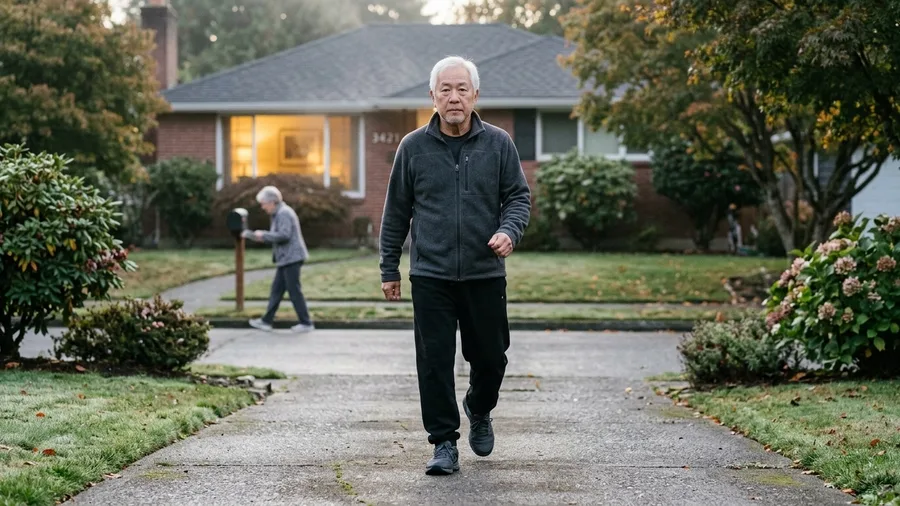
During early grief, even basic physical activity can feel difficult.
I sometimes assumed that exhaustion meant I should spend the entire day in a chair. But gentle movement eventually became one of the ways I started reconnecting with ordinary life.
A short walk gave me fresh air, a change of scenery, and a reason to leave the house. It also created a small transition between one part of the day and another.
You do not need an intense exercise program. If walking is comfortable and appropriate for you, a short daily walk can be a simple starting point. If you have health concerns or new physical symptoms, check with your healthcare professional about what level of activity is appropriate.
💡 PRO TIP
The 4 PM Crash
Late afternoon can be particularly difficult when the house becomes quiet. If that is your hardest time, consider scheduling a short walk, phone call, library visit, or other simple activity during that window.
0. Deciding When to Take the Ring Off
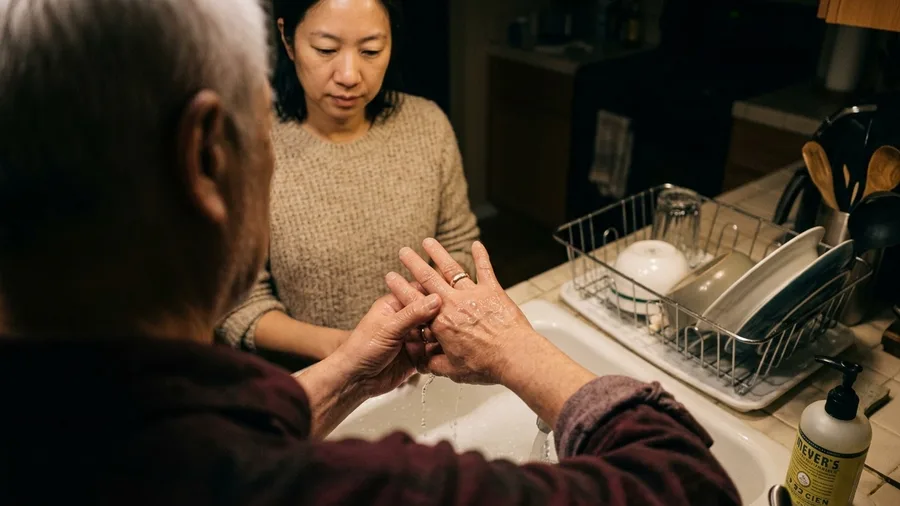
For many widowed people, the wedding ring can become an unexpectedly emotional object.
Some people keep wearing it for decades. Others remove it quickly. Some move it to another finger or wear it on a chain.
There is no universal timeline that determines when you should make that decision.
Moving or removing a ring does not erase the marriage or change the love you shared. Keeping it does not mean you are refusing to move forward either.
Choose whatever feels appropriate for you at that point in your grief. You can also change your mind later.
0. What Actually Helps on the First Major Holiday?
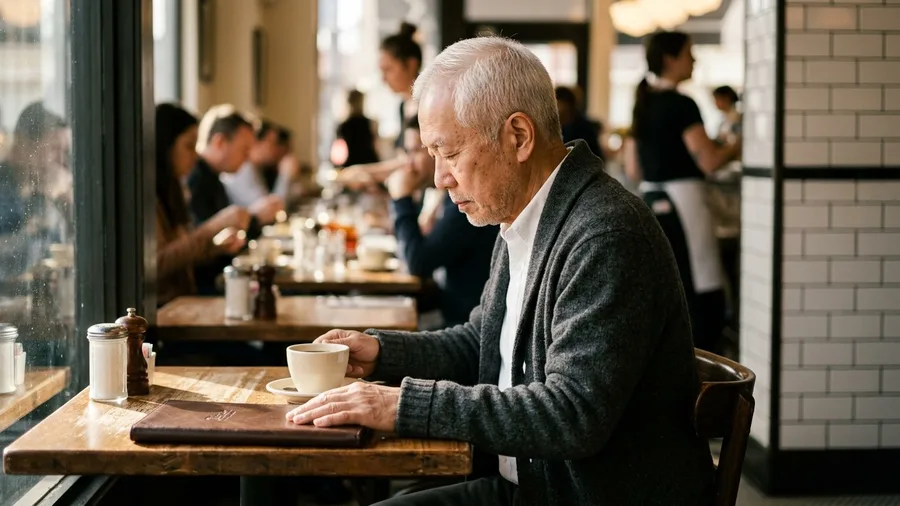
The first major holiday after losing a spouse can bring a mixture of anticipation, sadness, memories, and exhaustion.
I initially thought I had to recreate the holiday exactly as it had always been. That only made the missing person more noticeable.
Changing the menu, moving the celebration to another location, shortening the gathering, or creating a completely new tradition can make the day feel less like a comparison with the past.
You can also keep one tradition that genuinely comforts you while changing everything else.
There is no requirement to make the first holiday perfect. Sometimes the goal is simply to get through it with people who understand what the day means to you.
0. Letting Go of the Widow Identity

“I am a widow now.”
Early on, those words explained a lot. They helped people understand why I might become emotional, cancel plans, or need extra patience.
But eventually, I noticed that I did not want widowhood to become the only thing people knew about me.
You can continue honoring the person you lost while allowing yourself to become interested in new things, meet new people, laugh again, and develop routines that have nothing to do with your previous life.
When you meet someone new, you do not have to lead with your loss unless you want to. You are still a whole person with interests, preferences, stories, skills, and plans.
How Do You Decide What Stays and What Goes?
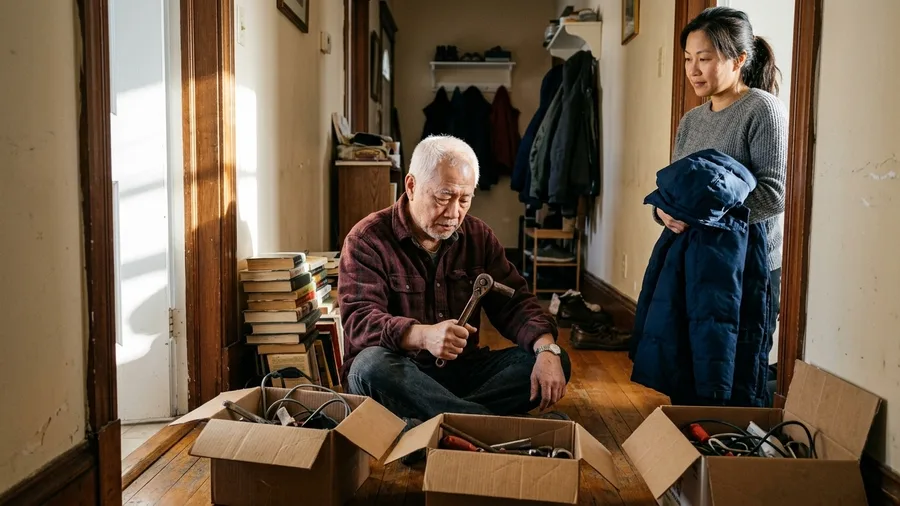
After decades together, almost every room can contain a memory.
That can make downsizing or sorting belongings feel impossible. I learned that I did not need to make an emotional decision about every single object in one afternoon.
Instead, I started asking a practical question: does this item support the life I am living now?
Some possessions brought comfort and stayed. Others required maintenance, occupied too much space, or made everyday life harder.
You can also postpone decisions about particularly meaningful belongings. There is no requirement to empty an entire house immediately after a loss.
Are You Ready to Change the Furniture?

For six months, I kept his armchair in exactly the same place.
I thought moving it would somehow mean I was erasing part of our life together. Eventually, I realized that furniture could change without the memories disappearing.
Rearranging a room did not erase my husband. It simply made the space work differently for the person who was now living there.
Healing after losing a spouse does not mean returning to the person you were before the loss. It can mean gradually building a life that works in your new circumstances.
Start with something small and reversible. Move a chair. Change a lamp. Rearrange a table. Add a plant to an empty corner.
You are not erasing the past. You are making room for the present.
Frequently Asked Questions
Is it normal to feel intensely angry at my spouse for passing away?
Anger can be part of grief, even when you deeply loved the person who died. You may feel angry about the unfairness of the situation, the responsibilities you now have to handle, or simply the fact that your life changed without your permission. If the anger becomes overwhelming or difficult to manage, consider talking with a grief counselor or another qualified professional.
How long should I keep their clothes hanging in the closet?
There is no universal deadline. Keep them for as long as they feel meaningful or until you are ready to decide what should happen to them. You can also sort them gradually instead of handling everything at once.
What do I do when friends stop calling after the first month?
People sometimes step back because they are unsure how to help after the initial period of condolences has passed. If you want continued contact, make a specific request. Tell a friend that you would like to have coffee, take a walk, or simply talk about ordinary life. Clear invitations can make it easier for both of you.
Should I move to a smaller house immediately?
There is no universal timeline for moving. If possible, give yourself time before making major financial or real-estate decisions, especially while emotions are intense. In the meantime, you can make smaller changes to your current home so it works better for one person.
Why am I so physically exhausted all the time?
Grief can be physically exhausting. Sleep disruption, emotional stress, changes in appetite, reduced activity, and the demands of handling everyday responsibilities can all contribute to fatigue. If exhaustion is severe, persistent, worsening, or accompanied by other concerning symptoms, speak with a healthcare professional rather than assuming grief is the only cause.
The Life You Carry Forward
I used to believe I simply had to wait for grief to finish before I could begin living differently.
What helped me more was understanding that healing could happen alongside the grief. I could change a routine, rearrange a room, call a friend, take a walk, or create a new tradition without pretending that I had stopped missing my husband.
The goal is not to forget the person you lost.
The goal is to gradually build a life that can hold both the memories and the future.
Check Your Daily Routine
Look at tomorrow’s schedule and choose three simple anchors: one thing that gets you moving, one reason to leave the house, and one person you can connect with.
Keep the plan manageable. You do not have to rebuild your entire life in one day.