Image credit: Sagely Chic
Most people spend decades preparing financially for retirement while giving far less thought to what an ordinary Tuesday will actually look like once work is gone.
The transition can feel surprisingly difficult when a career has provided structure, social contact, purpose, and a familiar sense of identity. Retirement is not automatically unhappy or isolating, but the adjustment often requires more planning than people expect.
The people who settle into retirement more comfortably tend to pay attention to their routines, relationships, movement, spending habits, and sense of purpose instead of leaving those areas entirely to chance.
At a Glance
⏱️
Timeframe
First 2 Years
🎯
Primary Focus
Identity Shift
⚠️
Main Risk
Social Isolation
💡
Best Move
Routine Building
The Identity Vacuum

Image credit: Sagely Chic
One of the biggest changes after retirement is surprisingly simple: people stop asking what you do for a living, and you may suddenly realize how much of your identity was connected to your job.
After years of answering questions with a profession or job title, saying “I’m retired” can feel incomplete. An empty inbox, an open calendar, and fewer people depending on your decisions can make the change feel very real.
That does not mean your working identity has disappeared. It means you have an opportunity to define yourself using more than your former career.
Before retirement, start thinking about the interests, skills, relationships, and activities you want to carry forward. Having a few simple ways to describe your current interests can also make social situations feel more natural.
Instead of focusing only on what you used to do, you might say, “I’ve been spending more time writing about local history,” or “I’m learning woodworking and getting involved with conservation projects.”
Practice talking about those interests before you need to. The goal is not to create an impressive new identity. It is simply to recognize that your life contains many roles beyond employment.
💡 PRO TIP
Build a Portfolio of Roles
Think of your week as a collection of different roles rather than one large retirement hobby. A healthy mix might include family time, friendships, exercise, learning, creative work, volunteering, and quiet time.
The Social Shrinkage Trap

Image credit: Sagely Chic
It is easy to assume that years of workplace conversations will naturally turn into a busy retirement social life. Often, that does not happen without deliberate effort.
Former coworkers may stay busy with their own schedules, move to another stage of life, or simply stop communicating as frequently once the shared workplace disappears.
Waiting for everyone else to reach out can gradually shrink your social world. After enough quiet weeks, meeting new people can begin to feel uncomfortable even when you genuinely want more connection.
A better approach is to maintain several different sources of social contact. Reach out to an old friend, join a recurring group, take a class, or volunteer somewhere that interests you.
Regular contact matters because familiarity develops naturally when you see the same people week after week.
Where to Find Real Connection
🛠️ Community Workshops
📚 Local Study Groups
🌿 Volunteer Projects
🚴 Active Clubs
The Endless Vacation Fallacy
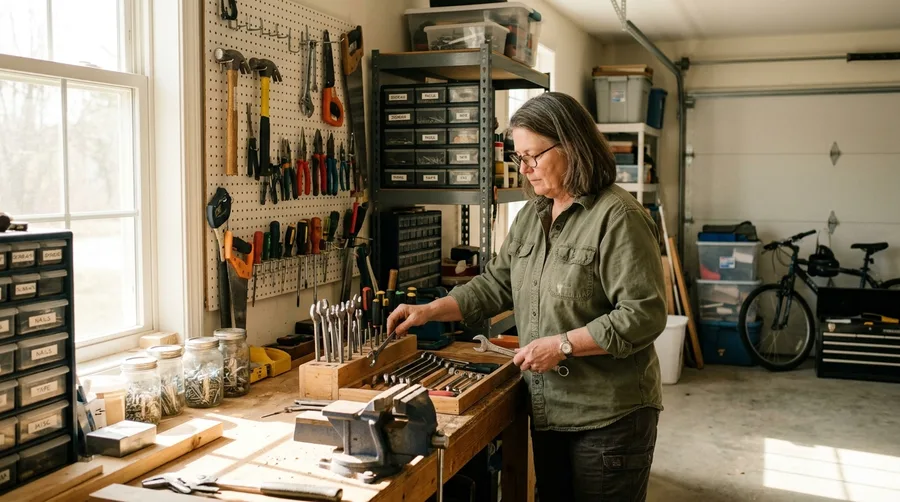
Image credit: Sagely Chic
The first few months of retirement can feel like an extended vacation. Sleeping later, taking spontaneous mornings, and having nowhere to rush can be wonderfully refreshing.
Eventually, however, having no boundaries at all can make the days feel strangely repetitive. When every hour is available, it becomes easy for small errands, television, and scrolling to absorb much more time than intended.
Retirement does not need to resemble a workday, but some structure can make free time more enjoyable. A predictable morning routine gives the day a starting point without turning it into another schedule filled with obligations.
Choose one or two activities that give your mornings direction. That could be a walk, breakfast with a friend, gardening, reading, exercise, or working on a personal project.
Retirement Lifestyle Scorecard
📅
Structured Daily Routine
Balanced
Creates rhythm while leaving room for spontaneous plans.
🌊
Total Spontaneity
Potential Challenge
Can become repetitive when there are no regular anchors.
🤝
Part-Time Consulting
Possible Balance
Can provide structure, social contact, and continued use of professional skills.
Ignoring the Partnership Dynamics

Image credit: Sagely Chic
Retirement can change a couple’s relationship simply because two people who previously spent much of the day apart may suddenly share the same space for hours.
That extra time together can be enjoyable, but expecting one person to become your entire source of companionship, entertainment, and emotional support can create unnecessary pressure.
Couples often benefit from discussing how they want their days to look before retirement begins. Separate hobbies, independent friendships, and individual routines can coexist with shared meals, trips, and activities.
For example, each person might reserve a few mornings each week for their own interests. That small amount of breathing room can make shared time feel more intentional rather than obligatory.
⚠️ COMMON MISTAKE
The Constant Companion Error
Expecting your spouse or partner to provide nearly every social interaction can put too much pressure on the relationship. Maintaining some independent interests gives both people room to recharge and remain connected to their own identities.
The Financial Scarcity Mindset

Image credit: Sagely Chic
Retirement can create a psychological shift that has little to do with whether your finances are actually secure.
After decades of earning, saving, and watching account balances grow, seeing withdrawals replace regular paychecks can make ordinary spending feel surprisingly uncomfortable.
A person may have a carefully prepared retirement plan and still hesitate before buying dinner, replacing an old book, or spending money on a small experience they genuinely value.
The important distinction is between being financially responsible and being afraid to use money for the life you planned. Your retirement budget should account for necessities as well as reasonable enjoyment.
If spending creates anxiety, consider creating a specific monthly amount for entertainment, dining, hobbies, or experiences. Having that category already included in your plan can make discretionary spending feel more intentional.
Your financial strategy should ultimately reflect your actual circumstances, including income, savings, expenses, taxes, healthcare costs, and long-term needs. A qualified financial professional can help if you are uncertain about what level of spending is appropriate.
The Transition Timeline
🎉
Month 1
The Honeymoon Phase
Relief, flexibility, and enjoyment may dominate the first few weeks.
🌀
Month 3
The Identity Wobble
Some people begin questioning how they want to use their newly available time.
⚓
Month 6
Routine Settling
New habits, interests, and social patterns may begin becoming more familiar.
🌱
Month 12
Stable Rhythm
A more predictable routine may emerge as retirement becomes part of everyday life.
Neglecting Physical Maintenance

Image credit: Sagely Chic
“I’ll walk more once I have the time” sounds reasonable, but an open calendar does not automatically create an active lifestyle.
Work often provides incidental movement without us noticing it. Walking to meetings, commuting, climbing stairs, shopping during lunch, and moving around an office can all add up.
When those activities disappear, daily movement can decline unless you deliberately replace them.
Building regular physical activity into retirement can help you protect mobility and support overall health. The right routine depends on your current fitness level and health needs, so start at an appropriate level and seek professional guidance when necessary.
Mobility and Health Audit
✓
🚶 Daily Walking Habit
Build a consistent walking routine that fits your current ability and schedule.
!
🏋️ Strength Training
Include resistance exercises regularly, with frequency adjusted to your needs.
✓
🥗 Whole Food Nutrition
Build meals around nutritious foods and maintain a practical eating routine.
✓
💤 Sleep Schedule
Keep a reasonably consistent sleep and wake pattern when possible.
The Danger of Absolute Isolation
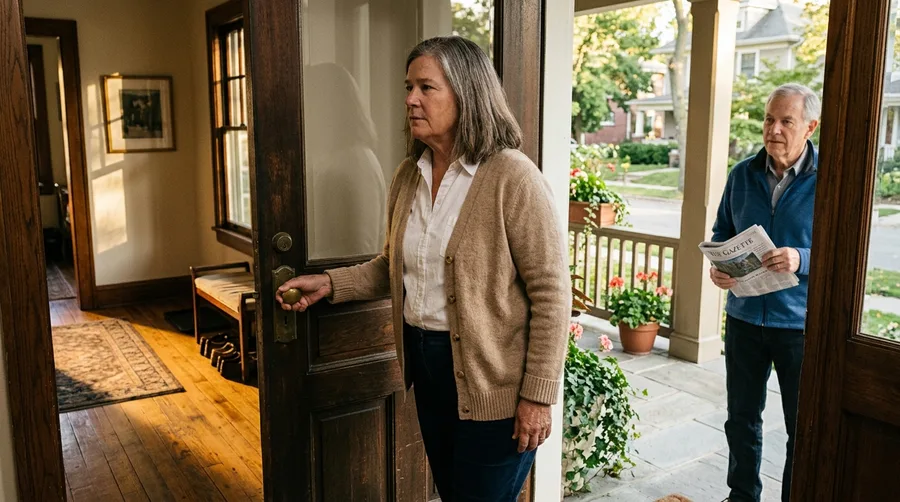
Image credit: Sagely Chic
Retirement can make solitude feel appealing at first. After years of meetings, commuting, and constant interaction, a quiet home can feel like a welcome relief.
The problem comes when peaceful solitude gradually becomes a pattern of avoiding nearly all social contact.
Ask yourself when you last had a meaningful, face-to-face conversation with someone outside your household. If you have to think back several weeks, it may be time to intentionally rebuild some connection.
You do not need a packed social calendar. Start small. Walk somewhere familiar, visit a neighbor, attend a community event, call a friend, or choose one recurring activity where you can regularly see other people.
Physical movement can also make social activity easier because leaving the house creates opportunities for unexpected interactions.
Engagement Metrics
Tracking your weekly fulfillment factors
👥 Social Interaction
Strong
🧠 Mental Stimulation
Moderate
🏃 Physical Activity
Good
🎨 Creative Output
Needs Work
Living Without a Defined Schedule
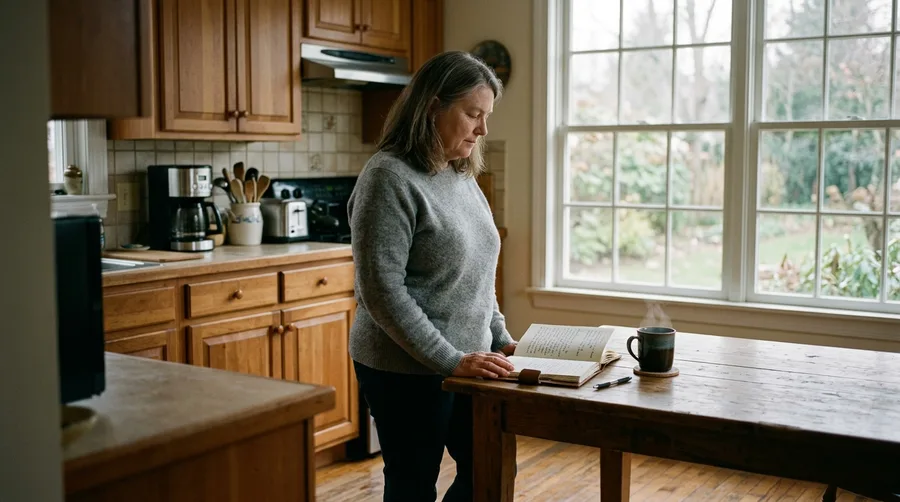
Image credit: Sagely Chic
Waking up without an alarm can feel like one of retirement’s greatest rewards. For the first few days or weeks, having nowhere to be may feel wonderfully freeing.
But when every day follows exactly the same pattern, the distinction between Monday, Wednesday, and Saturday can begin to disappear.
Without any reason to get moving, even simple tasks can be postponed. Getting dressed, preparing breakfast, going outside, or starting a personal project may all become “later” activities.
You do not need to recreate a corporate calendar. A few reliable anchors are enough to give the day some shape.
Choose a regular wake-up window, create a morning habit, schedule a few weekly activities, and leave plenty of open time around them. The goal is structure without turning retirement into another job.
Rejecting Mentorship and Contribution
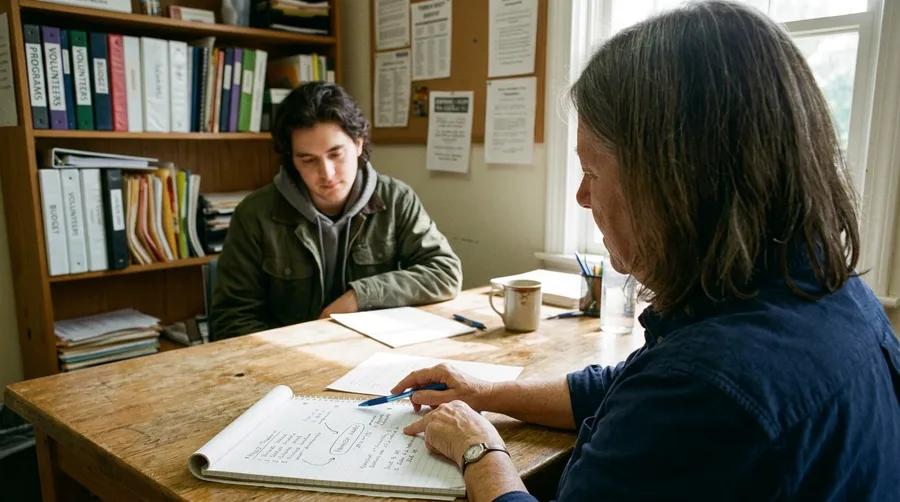
Image credit: Sagely Chic
Retirement does not have to mean abandoning every skill you developed during your working years.
Some people genuinely want complete distance from their former profession, and there is nothing wrong with choosing that path. Others discover that sharing their experience gives them a sense of purpose without requiring them to return to full-time employment.
If you miss solving problems, teaching, organizing, or helping people develop, look for a small way to contribute.
You could mentor someone informally, help a nonprofit, assist at a community organization, teach a practical skill, or volunteer a few hours each month.
The important part is choosing contribution because it fits your interests and energy—not because you feel obligated to keep proving your usefulness.
Frequently Asked Questions
How do I deal with the loss of my professional identity?
Start by separating your job title from the skills and values behind it. Your career may have developed qualities such as leadership, creativity, problem-solving, organization, or teaching that can still have a place in retirement.
Build several new roles around your interests rather than trying to replace your former job with one activity.
Why do I feel more tired in retirement than when I worked?
A major change in daily movement, sleep habits, routine, social interaction, or mental stimulation can affect how energetic you feel. Creating a consistent schedule and staying physically active may help, but persistent or unexplained fatigue is worth discussing with a healthcare professional.
How can I make new friends outside of my workplace?
Choose activities where the same people meet regularly. Community classes, volunteer organizations, walking groups, hobby clubs, libraries, religious or civic organizations, and local workshops can all create repeated opportunities for connection.
Showing up consistently matters more than trying to make instant friendships.
Is it normal to feel anxious about spending money after retiring?
It can be common to feel uneasy when the transition from earning and saving to withdrawing and spending begins. A clear retirement budget can make the change easier to understand.
If financial anxiety remains strong, review your spending plan with a qualified financial professional rather than relying on fear or guesswork.
How much structure do I actually need in my daily schedule?
You do not need a rigid timetable. A few dependable anchors—such as a consistent wake-up time, morning movement, scheduled social contact, and one meaningful activity—can provide enough structure while preserving the flexibility many people want from retirement.
Where I Would Start First
If you want to make the transition into retirement feel more intentional, start with your mornings.
Choose a reasonably consistent wake-up time, get outside for some movement, and establish one recurring activity each week that gives you a reason to connect with the world beyond your home.
Once those habits feel natural, gradually add other interests, friendships, learning opportunities, and personal projects.
Run Your Own Retirement Audit
Look at the next seven days and ask yourself four simple questions: Where will I move my body? Who will I talk to? What will give my day meaning? And when will I simply relax?
Your answers do not need to create a perfect retirement plan. They simply give your newly available time some direction before empty hours start making the decisions for you.