How to Mix Patterns Over 50 in Ways That Actually Work
Wearing more than one pattern can instantly make an outfit feel more interesting, but it can also become visually overwhelming when the prints compete for attention.
If you have ever paired two prints and then wondered why the finished look felt too busy, the problem is usually not the idea of mixing patterns. It is more often a matter of scale, color, placement, or proportion.
Women over 50 do not have to avoid prints to create polished outfits. A few simple styling principles can help you combine florals, stripes, checks, animal prints, and other patterns while keeping the overall look balanced.
Pattern Mixing Works Better When One Print Takes the Lead
When two patterns have exactly the same visual impact, they can compete with each other. A much easier approach is to let one print become the main feature while the other plays a quieter supporting role.
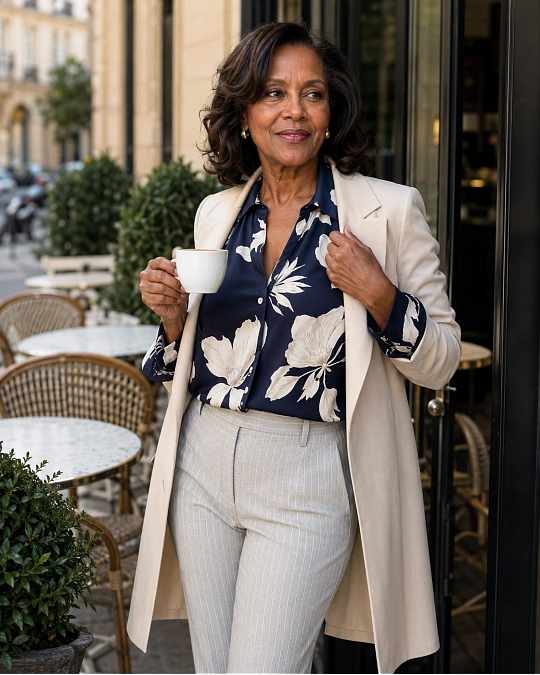
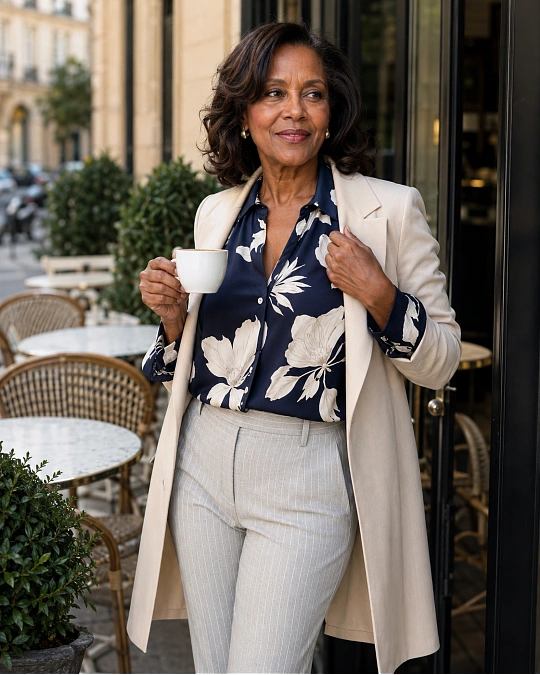
Think about scale first. A large floral can pair nicely with a fine stripe because the two patterns have noticeably different visual weights. The contrast gives each print its own space.
You can use the same principle with other combinations. A bold botanical print can work with a tiny check, while a medium leopard pattern may pair comfortably with a narrow stripe.
The patterns do not need to be identical in size. In fact, having a noticeable difference in scale is often what makes the combination easier to look at.
Use this quick guide when you are deciding whether two prints will work together:
| Pattern Pairing | What to Look For | Why It Works |
|---|---|---|
| Large floral + fine stripe | Clearly different print sizes | The smaller stripe provides a quieter contrast. |
| Medium plaid + tiny dots | One structured print and one subtle print | The difference in scale keeps the patterns visually separate. |
| Leopard + narrow stripe | Different shapes with related visual strength | The prints complement rather than duplicate one another. |
| Bold geometric + micro check | Keep one pattern in a less dominant position | It creates a clear focal point without filling the whole outfit with visual movement. |
| Wide stripe + delicate floral | Repeat at least one color | A shared color helps connect the contrasting prints. |
Fit note: Prints already create visual interest, so simple clothing shapes can help keep the outfit composed. Straight-leg trousers, uncomplicated skirts, clean shirts, and streamlined jackets allow the patterns to remain the focus.
Use One Shared Color to Make Two Prints Feel Connected
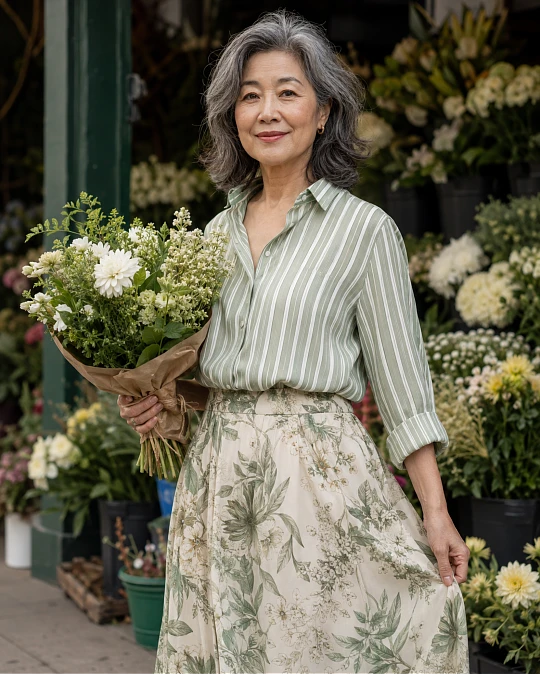
One of the easiest ways to connect two completely different patterns is to find a color that appears in both.
For example, a navy-and-cream striped sweater can work with a floral skirt that also contains navy and cream. The patterns remain different, but the repeated color creates a visual link.
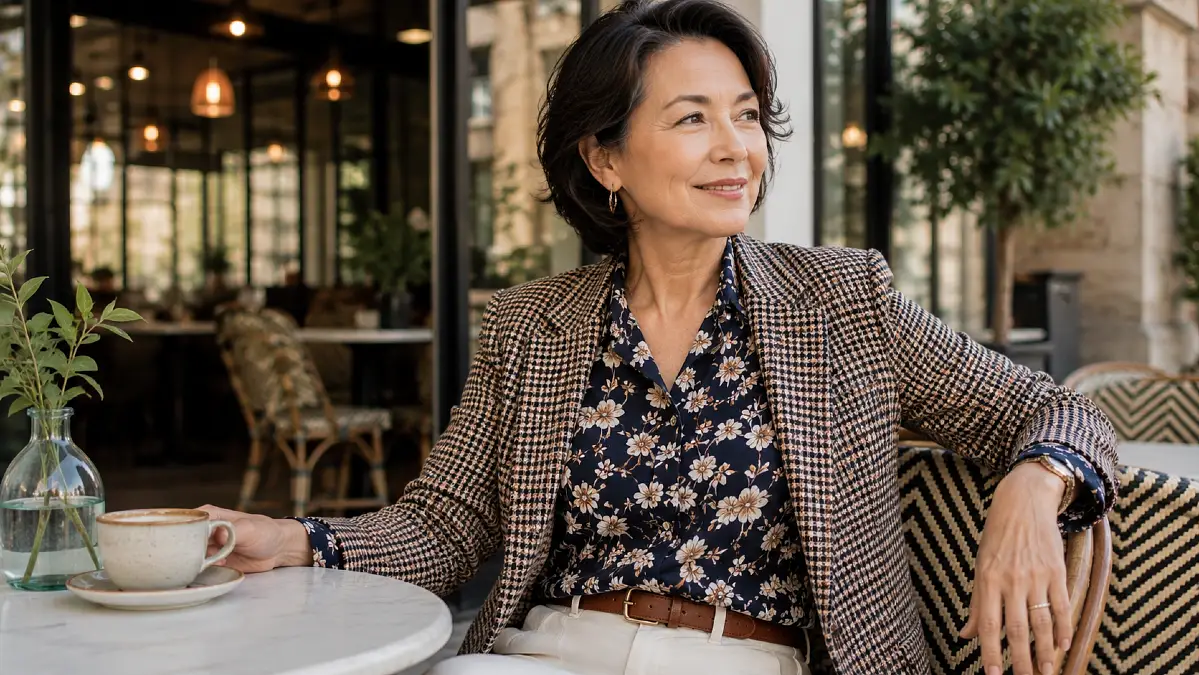
You can use the same technique with neutrals. A black-and-white checked jacket can sit comfortably with a black floral blouse because the black element connects the two pieces.
Brown leopard can work with a cream-and-brown print, while a blue check can coordinate with another pattern that includes a similar shade of blue.
If you are uncertain about a combination, place the two pieces next to each other and look for one color they have in common. That small connection can make a surprisingly big difference.
You can also use a solid piece to separate the patterns:
- Printed blouse + solid trousers + patterned shoes
- Striped shirt + solid blazer + printed scarf
- Floral skirt + plain knit + checked coat
- Patterned trousers + solid top + patterned handbag
The solid layer or garment gives the eye a visual resting point while allowing the patterns to remain part of the outfit.
Start With Stripes When You Want an Easy Second Pattern
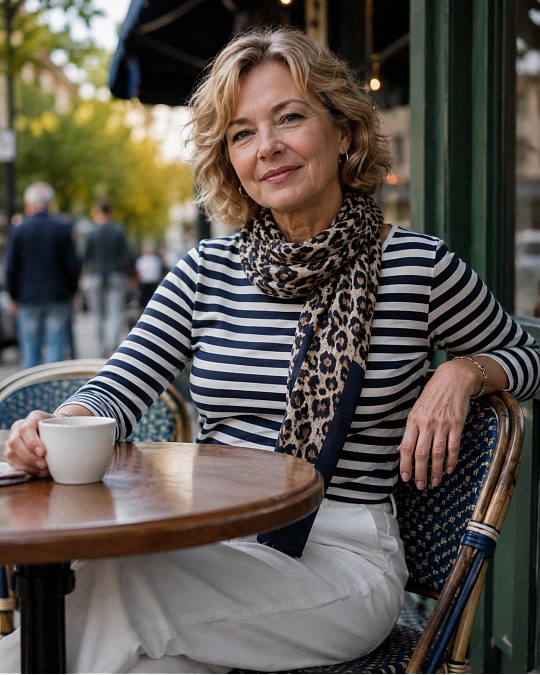
Stripes are an excellent starting point if combining prints still feels intimidating. Their repeated, orderly lines make them relatively easy to pair with other patterns.
A simple navy-and-white striped top can work beneath a muted plaid jacket, while a fine striped shirt can provide a structured contrast to a floral scarf.
Stripes also make pattern mixing easy when you want to introduce the second print through accessories. A striped sweater with leopard flats, for example, gives you two patterns without covering your entire outfit in prints.
Denim, trousers, or another solid layer can separate the prints and make the combination feel more relaxed.
For stylish outfits for women over 50, this approach is particularly useful because it allows you to experiment without completely changing your usual wardrobe.
| Occasion | Pattern Combination | Why It Feels Balanced |
|---|---|---|
| Errands | Striped tee + leopard flats + jeans | The denim separates the two patterns. |
| Lunch | Floral blouse + striped trousers | The difference in print scale creates definition. |
| Work | Fine striped shirt + checked blazer | Both prints remain structured and relatively restrained. |
| Weekend | Striped knit + patterned scarf | The smaller accessory keeps the pattern mix subtle. |
| Dinner | Printed skirt + striped knit | A repeated color can bring the two patterns together. |
Comfort upgrade: You do not need to wear two large printed garments to experiment with pattern mixing. Keep the clothing simple and introduce the second print through a scarf, belt, handbag, or pair of shoes.
Let Neutral Patterns Do the Work of Solid Colors

Some prints are naturally easier to combine because their colors and contrast are relatively quiet. These patterns can almost function like wardrobe neutrals.
Leopard in shades of tan, brown, black, and cream is one example. Fine stripes, subtle checks, low-contrast plaids, and small houndstooth patterns can have a similar effect.
Think about the overall visual impact instead of assuming every print is automatically bold. A small charcoal check may be quieter than a bright solid red top.
This gives you more freedom when building outfits. Leopard loafers can work much like a neutral brown shoe, while a fine striped top can be treated almost like a basic knit.
The lower the contrast within the pattern, the easier it often is to combine with another print.
Color note: If you prefer understated outfits, look for prints that use closely related shades. Cream and tan, navy and soft blue, or charcoal and gray tend to create a gentler effect than extremely high-contrast combinations.
This approach is especially helpful when you want to wear patterns without making them the only thing people notice about your outfit.
Separate Strong Prints With Solid Pieces
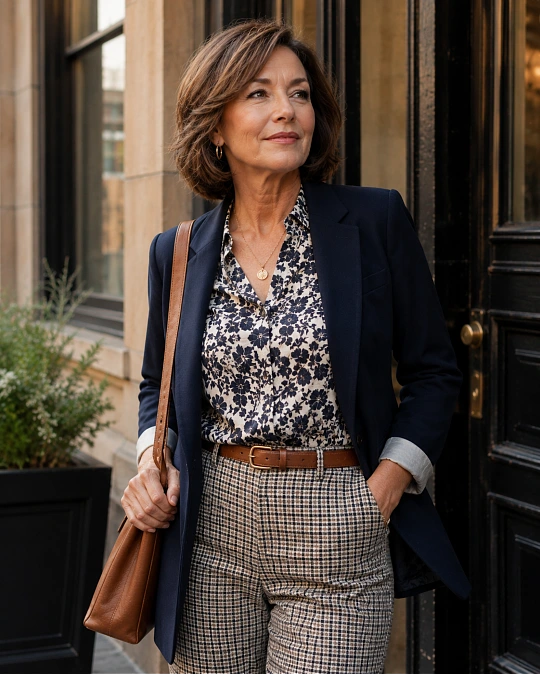
Pattern mixing does not require two prints to sit directly beside each other. Sometimes the simplest solution is to place a solid layer between them.
Imagine a floral blouse paired with checked trousers. If the two prints feel too close together, add a solid blazer, cardigan, or jacket. The extra layer creates a visual pause.
This technique can make a surprisingly dramatic difference without requiring you to remove either print.
You can also use coats, denim jackets, belts, plain skirts, or solid trousers to create separation.
| If This Feels Too Busy | Try This Instead |
|---|---|
| Floral blouse directly against plaid trousers | Add a solid blazer or cardigan. |
| Bold striped top with a large floral skirt | Choose a finer stripe or a smaller floral. |
| Two prints with no colors in common | Repeat one color through shoes, a belt, or another layer. |
| Patterned jacket with patterned trousers | Replace one with a lower-contrast print or a solid. |
| Pattern from neckline all the way to the shoes | Move the second pattern to an accessory. |
There is no need to keep adding prints simply because you can. Two thoughtfully chosen patterns can create plenty of personality while remaining easier to style and wear.
Keep the Silhouette Simple When the Prints Are Doing More
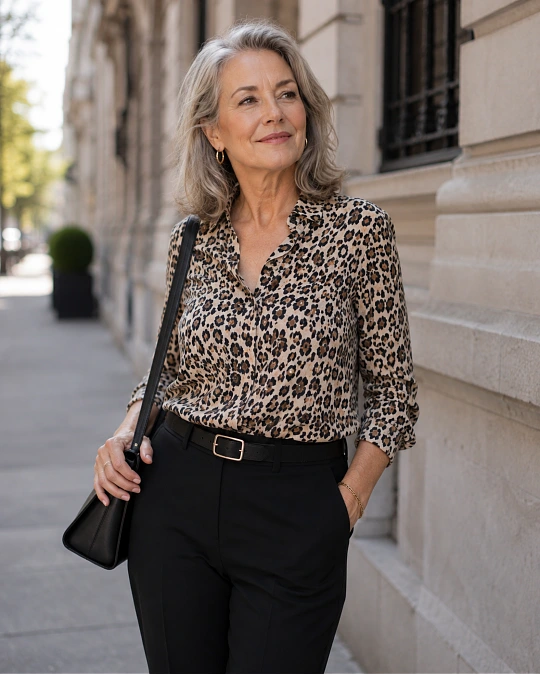
When an outfit already contains noticeable patterns, uncomplicated silhouettes can help maintain balance.
A printed blouse, checked trousers, ruffled jacket, statement necklace, and patterned shoes may all look appealing individually, but combining too many focal points can make the outfit feel crowded.
Instead, simplify the shapes around the prints. Patterned trousers can work beautifully with a clean crew-neck knit. A printed midi skirt can pair with a straightforward sweater, while a solid blazer can sharpen a more playful combination.
Proportion is useful here as well. If your top is loose and strongly patterned, a cleaner trouser shape can create balance. If your skirt is full and printed, a simpler knit can provide definition above it.
The idea is not to follow rigid body-shape rules. It is simply about deciding where you want the eye to notice movement and where you want a quieter element.
Shoe swap: When your clothing already contains two patterns, solid loafers, boots, flats, sneakers, or sandals can keep the final look controlled.
On the other hand, if your clothes are mostly solid, patterned footwear can become your second print.
A Repeatable Pattern Formula for Real-Life Dressing
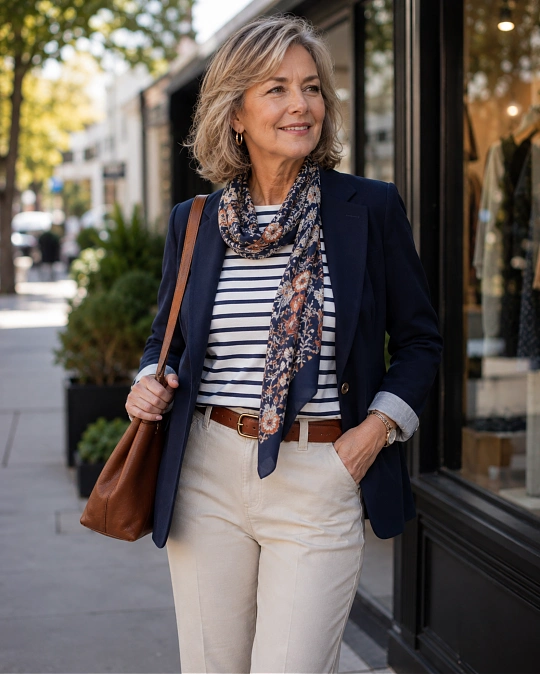
You do not have to create a completely new pattern combination every time you get dressed. A simple formula can make the process much easier.
Formula: Main Pattern + Quiet Pattern + Solid Anchor.
Begin with the print you most want to wear. It could be a floral blouse, checked trousers, printed skirt, or patterned jacket.
Then introduce a quieter second pattern that shares at least one color with the main print. Finish with a solid piece that gives the outfit some visual breathing room.
For example, try a floral blouse with fine pinstripe trousers and a solid navy blazer.
Another easy combination is a striped knit with leopard flats and straight-leg jeans. For warm weather, a patterned midi skirt with a striped tee and simple leather sandals follows the same principle.
In cooler weather, a checked coat can be paired with a subtle patterned scarf over a plain sweater and trousers.
This formula makes pattern mixing practical for stylish outfits for women over 50 instead of something that only works for special occasions.
Once you find a combination that feels comfortable, repeat the formula. Change the colors, accessories, shoes, or layers instead of reinventing the entire outfit each time.