Getting older can bring noticeable changes, from different energy levels to changes in mobility, appearance, routines, and priorities. Yet some people seem remarkably comfortable with the process.
They are not necessarily ignoring the realities of aging or pretending nothing has changed. Instead, they often develop habits that help them focus on what they can do now rather than constantly comparing themselves with an earlier version of themselves.
These habits can make aging feel less like something to fight and more like a natural part of a life that is still moving forward.
Two Approaches to Time
| ⚠️ The Resentful Loop | ✓ The Calm Baseline |
|---|---|
| Constantly comparing today with past decades | Accepting current abilities as the starting point |
| Making self-deprecating jokes about getting older | Talking about age without treating it as a problem |
| Exercising mainly from fear of aging | Moving to support strength, mobility, and independence |
| Spending most social time around age-related complaints | Maintaining friendships across different generations |
| Focusing on everything that has changed | Paying attention to what remains possible |
Why the Calendar Stops Feeling Like a Threat
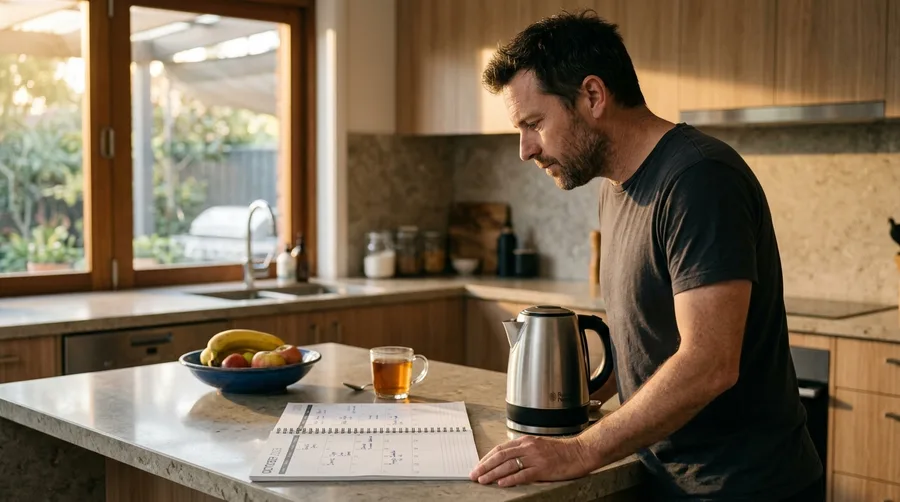
Image credit: Sagely Chic
It is easy to interpret every new ache, slower morning, or forgotten name as proof that something is going wrong. That way of thinking can make ordinary changes feel much more frightening than they need to be.
People who are comfortable with aging often stop using their younger selves as the constant measuring stick. Instead of asking, “Why can’t I do this like I did twenty years ago?” they are more likely to ask, “What works for me now?”
That small change in perspective can make everyday adjustments feel practical rather than personal. Needing more recovery time after an activity does not have to become a judgment about your entire future.
The next time you notice yourself comparing your current body with an earlier version, pause before adding a negative story to the observation. You can acknowledge the change and decide what adjustment makes sense today.
At a Glance: The Aging Resilience Framework
| Focus | Approach |
|---|---|
| ⏱️ Shift Window | Daily practice |
| 🧠 Core Focus | Present usefulness |
| 🛡️ Primary Shield | Concrete boundaries |
| 🌱 End Result | Greater clarity about what matters now |
1. They Stop Auditing Their Past Capacities

Image credit: Sagely Chic
Imagine finishing a long walk and noticing that your legs need more recovery than they once did. It can be tempting to immediately compare today’s experience with what you could handle years ago.
That comparison rarely provides useful information. Your current capacity is the information that matters when deciding what to do next.
If you need an additional rest day, take it. If an activity needs to be shortened, modify it. If a task requires assistance, accepting that help does not erase your independence.
At the same time, acceptance should not mean ignoring unusual or persistent physical symptoms. New, severe, worsening, or unexplained pain deserves appropriate medical attention rather than being dismissed as “just getting older.”
The practical replacement is simple: notice what your body is telling you, make a sensible adjustment, and avoid turning the adjustment into a criticism of yourself.
💡 Tip: Describe the change as a neutral fact. “I need more recovery time today” is very different from “I’m falling apart.”
💡 PRO TIP
Drop the Comparison Trap Immediately
Yesterday’s capacity can provide useful context, but it does not have to become today’s standard. Work from your present baseline and adjust your activities accordingly.
2. They Refuse the Performance of Decline
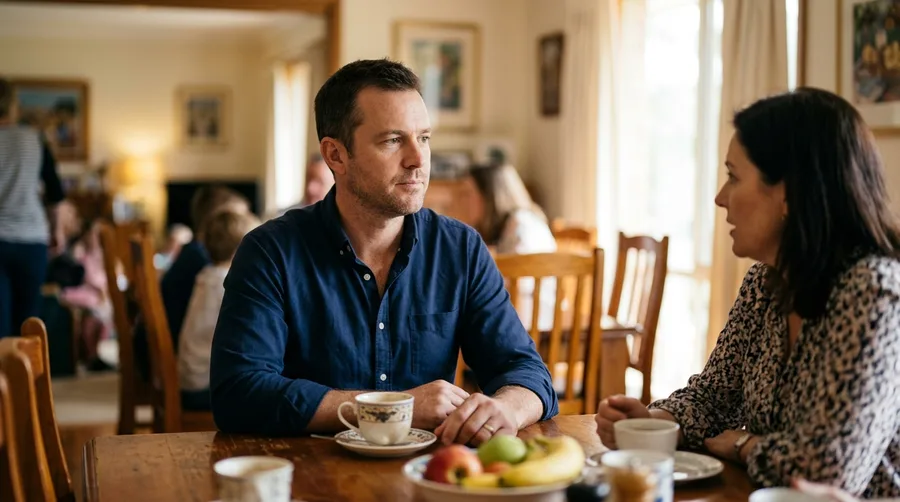
Image credit: Sagely Chic
Many families and friend groups use humor to talk about aging. A forgotten pair of keys becomes a “senior moment,” or a stiff knee becomes the subject of a joke.
There is nothing inherently wrong with occasional humor. The problem comes when negative jokes about aging become the only way you describe yourself.
If every mistake becomes proof that you are “too old,” you may gradually reinforce a view of yourself that is much more limiting than reality.
You do not have to participate in that pattern. When an age-related joke comes up, you can simply smile, move the conversation along, or bring up something you are looking forward to instead.
The goal is not to become overly serious. It is to stop making decline the central character in every conversation about yourself.
Social Friction — At a Glance
| Area | Helpful Response |
|---|---|
| 🗣️ Trigger | Repeated age-related jokes |
| 🛡️ Defense | Neutral response or subject change |
| 🎯 Outcome | Less attention on negative aging narratives |
| Key Rule | Do not make your own body the punchline every time |
3. They Treat Physical Maintenance as a Trade, Not a Penalty
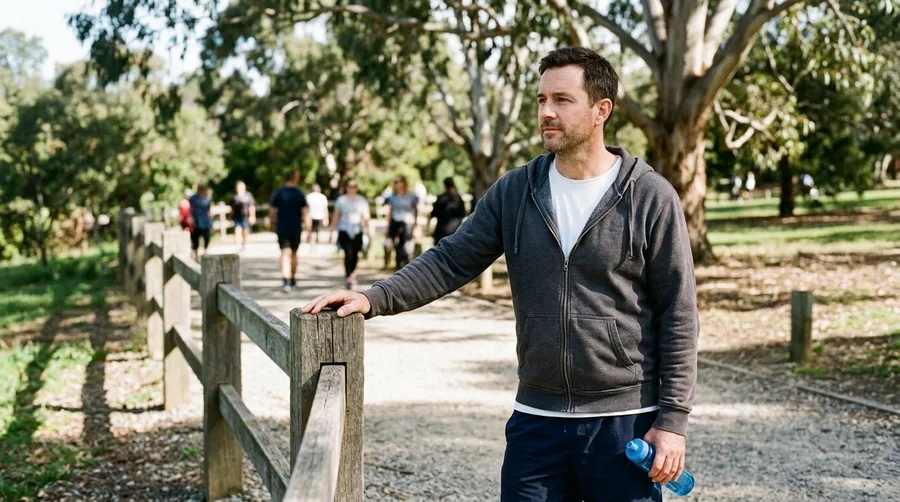
Image credit: Sagely Chic
Exercise can become frustrating when every workout is treated as a battle against age. You may feel as though you are exercising simply to prove that you have not changed.
A more sustainable approach is to think about movement in terms of what it gives you today and in the future.
Walking, strength exercises, stretching, balance work, swimming, cycling, or another activity you enjoy can support everyday abilities such as carrying groceries, climbing stairs, getting up from a chair, or staying active with family.
You do not have to exercise to look or feel twenty-five again. The goal can simply be maintaining the strength, mobility, and confidence that support the life you want now.
⚠️ COMMON MISTAKE
Do Not Exercise Out of Panic
Movement is more sustainable when it has a practical purpose. Choose activities appropriate for your abilities and, when necessary, get professional guidance about safe exercise.
4. They Spend Zero Energy Wishing for Earlier Decades

Image credit: Sagely Chic
Old photographs can bring back wonderful memories, but nostalgia can become frustrating when it turns into a constant wish to return to an earlier version of life.
You might remember how energetic you felt ten or twenty years ago while forgetting that the person in those photographs also had worries, responsibilities, insecurities, and difficult days.
The past deserves appreciation, but it does not need to become a standard that your present life must compete against.
When you catch yourself thinking, “I wish I were that age again,” acknowledge the memory and then return to something happening in your life now.
Your current life contains experiences, knowledge, relationships, and opportunities that your younger self did not have.
Mental Focus Checklist
| Focus | Question |
|---|---|
| 👁️ Present Moment | What is happening around me right now? |
| 📝 Current Data | What do I actually need today? |
| 🚪 Past Release | Can I appreciate that memory without wishing away today? |
5. They Keep Their Skill Acquisition Active

Image credit: Sagely Chic
Comfort can be wonderful, but a life built entirely around familiar activities can become predictable. Learning something new gives your attention a different direction.
You might learn photography, gardening, a musical instrument, a language, woodworking, cooking, painting, technology, or another skill that genuinely interests you.
Being a beginner again can feel uncomfortable. You may make mistakes, forget instructions, or need considerably more practice than expected.
That is part of the value. New skills remind you that learning and growth are not reserved for younger people.
You do not need to become highly accomplished. Choose something interesting enough to keep you curious, and allow yourself to be imperfect while you learn.
🌱 GROWING TIP
Embrace Being a Beginner
Choose one skill that feels slightly unfamiliar and give yourself permission to be bad at it initially. The goal is curiosity, not perfection.
6. They Answer Age Inquiries With Absolute Boredom

Image credit: Sagely Chic
When someone asks your age, you may feel pressure to make the number entertaining. Some people immediately add a joke, apologize for getting older, or say something like, “I can’t believe I’m already this age.”
There is nothing wrong with enjoying a playful response, but you also do not need to treat your age as a confession that requires explanation.
You can simply state your age and continue the conversation.
That small change removes some of the emotional weight from the number. Your age is a piece of personal information, not a complete description of who you are or what you can contribute.
Aging Resilience Audit
| Habit | What It Can Reinforce |
|---|---|
| ✕ Making constant jokes about “senior moments” | A negative narrative about aging |
| ✓ Learning unfamiliar skills | Curiosity and continued growth |
| ⚠️ Exercising only from fear | Unnecessary pressure around movement |
| ✓ Stating your age without embarrassment | A more neutral relationship with the number |
Core Goal: Reduce the commentary that turns ordinary changes over time into evidence that your life is getting smaller.
7. They Refuse to Edit Their Wardrobe for Audience Approval

Image credit: Sagely Chic
Getting older can sometimes create a long list of imaginary clothing rules. You may wonder whether a certain color, jacket, shoe, hairstyle, or trend is “appropriate” for your age.
But personal style does not need to follow a rigid age chart.
The better questions are practical: Does it fit well? Is it comfortable? Does it suit your lifestyle? Do you actually like how you look in it?
If you love colorful sneakers, a bright jacket, a longer hairstyle, statement jewelry, or another style choice, you do not need to provide a detailed explanation for wearing it.
Your wardrobe should support the person you are today rather than an imaginary audience judging whether you look your age.
8. They Cultivate Friendships Across Multiple Decades
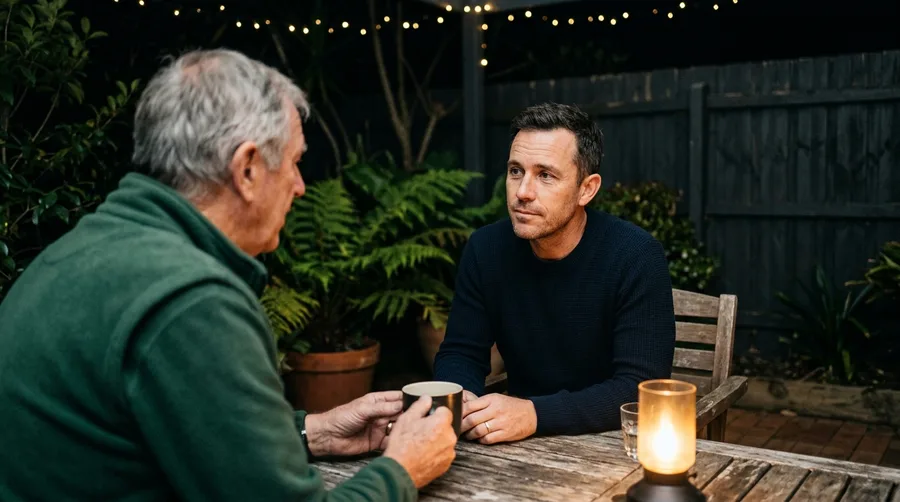
Image credit: Sagely Chic
A social circle made up entirely of people at the same life stage can sometimes become very narrow. Conversations may repeatedly return to the same concerns, routines, and assumptions.
Friendships across different generations can introduce fresh perspectives. A younger friend may be navigating a completely different career or family situation, while an older friend may offer another perspective on change and priorities.
The point is not to replace longtime friends. It is to avoid assuming that everyone you connect with needs to be exactly your age.
Different generations can bring different interests, experiences, humor, and ways of looking at everyday problems.
Try reaching out to someone outside your usual age group and have a conversation about what they are currently learning, building, or figuring out.
9. They Practice Radical Acceptance Without Performance

Image credit: Sagely Chic
Acceptance does not mean loving every change that comes with age. You can notice wrinkles, gray hair, changing energy, or other differences without turning those observations into a daily argument with yourself.
Sometimes the healthiest response is surprisingly ordinary: notice the change, decide whether anything needs to be done, and then continue with your day.
You can still care about appearance, exercise, skincare, clothing, health, and personal goals. Acceptance simply means those choices come from caring for yourself rather than treating aging itself as something shameful.
The mirror does not need to become a daily performance review.
Frequently Asked Questions
Why do people who age calmly avoid talking about birthdays?
Not everyone who feels comfortable aging avoids birthday conversations. Some simply do not treat birthdays as evidence that something is wrong. They can acknowledge the number while keeping their attention on relationships, experiences, plans, and everyday life.
How do you stop comparing your current physical capacity to your twenties?
Start by noticing when the comparison happens. Instead of asking whether you can perform exactly as you did decades ago, ask what level of activity is appropriate and enjoyable for you now. If a physical change is unusual, persistent, or concerning, discuss it with a healthcare professional rather than assuming it is simply age.
Is it possible to develop these habits later in life?
Yes. Habits such as reframing negative self-talk, learning new skills, setting boundaries, maintaining relationships, and focusing on current goals can be practiced at many stages of life. Progress does not require changing everything at once.
What should you say when someone makes a joke about getting older?
You can laugh if the joke genuinely feels harmless, but you do not have to participate. A neutral response or a simple change of subject can be enough. You can also say, “I’m actually feeling pretty good about where I am right now,” if you want to make your perspective clear.
The Quiet Power of Present Focus
Aging becomes harder when every change is treated as a loss that must be compared with the past.
A more useful approach is to recognize what has changed, make sensible adjustments, and keep investing in the life you are living now.
You can care for your body without fearing it, remember your younger years without wishing them back, and enjoy your personal style without asking whether it meets someone else’s age expectations.
Audit Your Daily Habits
Choose one habit from this article to practice today.
You might stop making a negative joke about your age, spend thirty minutes learning something new, take a walk because movement feels good, or simply notice one thing your current life allows you to enjoy.
A calmer relationship with aging does not require pretending that nothing changes. It means giving the present version of yourself the same attention and respect you once gave the younger version.