After 60, some men become noticeably quieter. Conversations may become shorter, time spent alone may increase, and familiar routines can start to look different.
That change does not always mean anger, rejection, or emotional distance. Retirement, changing routines, physical limitations, loss of familiar roles, and personal coping styles can all affect how someone communicates.
Instead of assuming what silence means, it can help to look at the broader pattern. Sometimes a quieter man needs space. Sometimes he may be processing a difficult transition. And sometimes persistent withdrawal can be a reason to gently check in or encourage professional support.
At a Glance
⏳
Timeframe
Post-60 Shift
🧠
Core Focus
Behavioral Changes
🛡️
Primary Driver
Possible Unspoken Emotions
🤝
Best Action
Quiet, Respectful Presence
Why the Silence Arrives Without Warning After Sixty
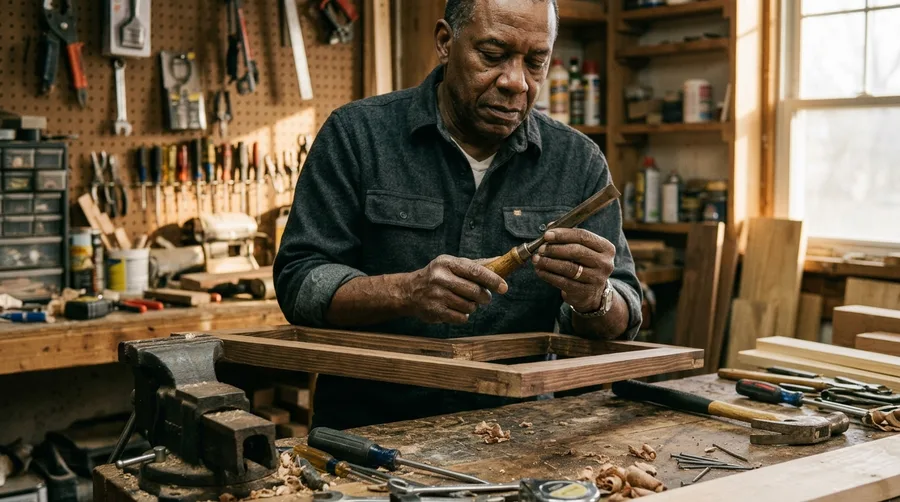
Image credit: Sagely Chic
Decades of work can create a strong daily structure. When retirement arrives, that structure can disappear surprisingly quickly.
Meetings, responsibilities, colleagues, routines, and professional goals may have provided a sense of purpose and connection for many years. Losing that framework can leave someone unsure about how to organize the next stage of life.
For some men, that adjustment may look like increased quietness or more time alone. It does not automatically mean they are unhappy or rejecting the people around them.
Instead of treating every change in conversation as a personal problem, pay attention to the larger picture. A calm person who still enjoys hobbies and maintains relationships may simply be adapting to a quieter rhythm.
1. The Quiet Loss of Workplace Identity and Authority
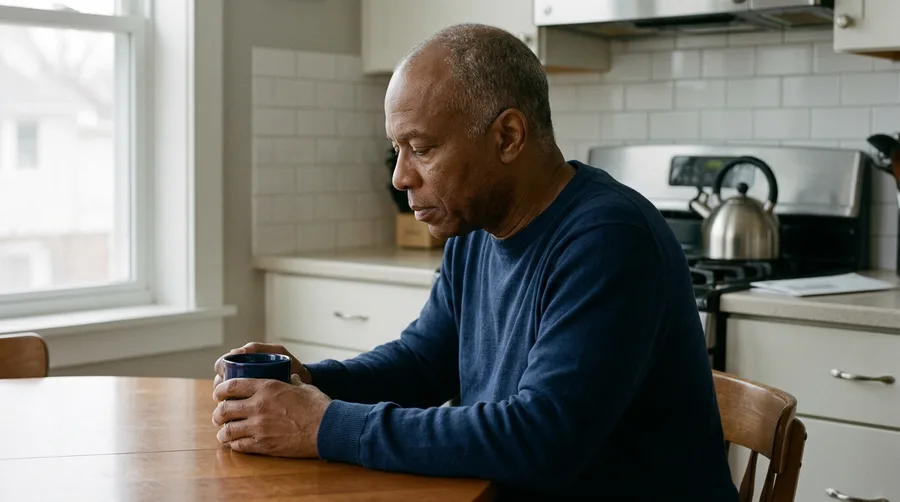
Image credit: Sagely Chic
Retirement can bring an unexpected sense of loss when a large part of someone’s identity has been connected to their profession.
A person who spent decades making decisions, managing projects, helping coworkers, or leading a team may suddenly have none of those responsibilities on an ordinary Tuesday morning.
That transition can feel strange even when retirement was wanted. The absence of familiar responsibilities may create uncertainty about what comes next.
Rather than repeatedly asking, “How does retirement feel?” try opening a conversation around something concrete and current.
Ask about a hobby, a project, a place he wants to visit, or something he has been curious about. Conversations that are not centered on his former career can create room for a new identity to develop.
💡 Tip: Use specific, low-pressure questions about current interests instead of repeatedly asking him to explain how he feels about retirement.
💡 PRO TIP
Shift the Focus Away From Past Work
Try doing something side-by-side rather than sitting face-to-face for a serious conversation. A shared task can make conversation feel more natural and less demanding.
2. The Exhaustion of Maintaining a Lifetime of Stoicism

Image credit: Sagely Chic
Some people have spent much of their lives learning to keep difficult emotions private. They may have been taught that handling problems quietly is a sign of strength.
After years of managing work pressure, family responsibilities, financial concerns, and everyday challenges, there may be little energy left for lengthy emotional conversations at the end of the day.
That does not mean the person has no feelings. It may simply mean that talking through those feelings is not their preferred way of processing them.
Give someone time to decompress when they need it. A quiet hour after a demanding day can sometimes be more helpful than immediately asking for an explanation.
Emotional Shift — At a Glance
🔋 Energy Reserve
May feel depleted by evening
🧱 Defense Habit
Keeping difficult emotions private
⏱️ Recovery Time
May include quiet or solitary activities
Core Rule
Silence can sometimes be a way to recover energy rather than a message of rejection.
3. Are You Misinterpreting Solitude as Coldness?
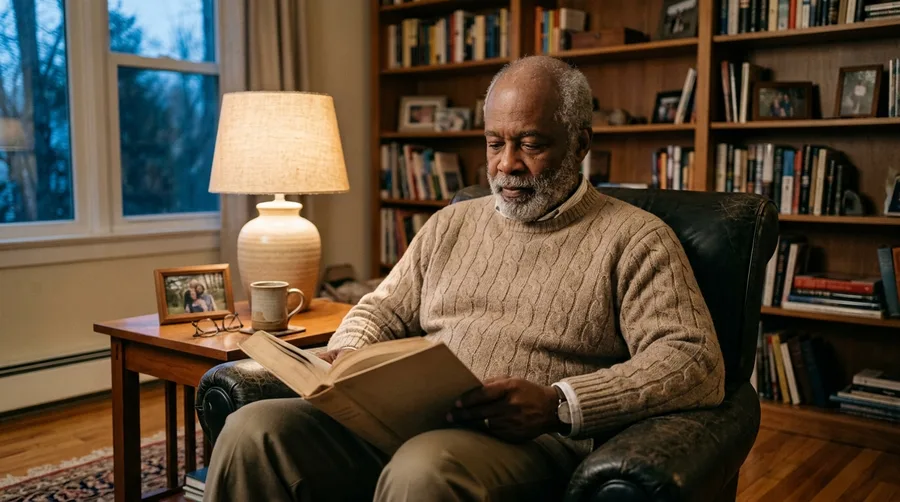
Image credit: Sagely Chic
Not every period of solitude is a sign that something is wrong.
Some people genuinely enjoy spending time alone, especially when life becomes less structured. Reading, walking, gardening, driving, working on a project, or simply sitting quietly can all be restorative.
Before assuming that silence means emotional distance, ask yourself what else is happening. Is he still interested in the activities he enjoys? Does he participate in family life when he chooses to? Does his body language look relaxed?
If the rest of his life remains engaged and functional, his preference for quiet may simply be part of his personality or current routine.
A useful approach is to share the same space without demanding conversation. Read your own book, drink coffee together, or take a quiet walk.
Best Ways to Handle Silent Paces
☕ Share Coffee Quietly 🚶 Take Parallel Walks 📚 Read in the Same Room 🚗 Drive Without Radio
4. When Quietness Is Simply Contentment in the Present
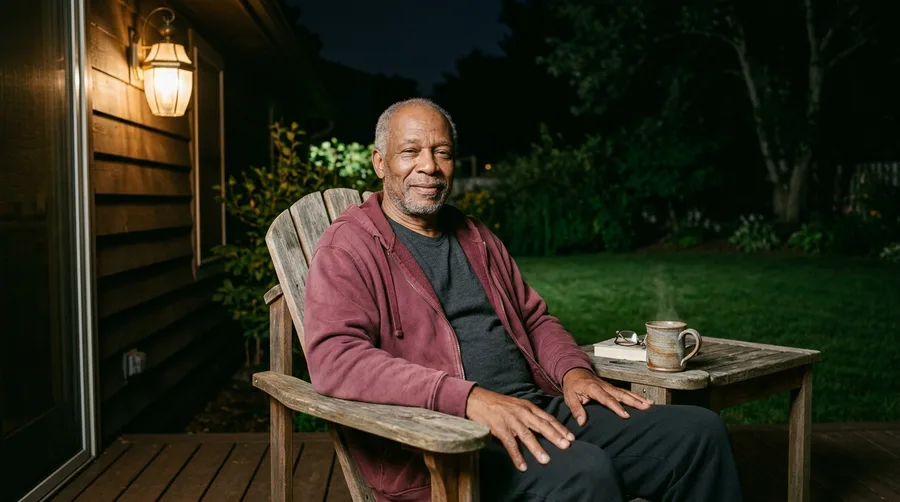
Image credit: Sagely Chic
Sometimes two people can sit together for twenty minutes without saying much at all, and nothing is wrong.
Quiet companionship can be a comfortable part of a long-term relationship. Not every silence needs to be filled with questions, explanations, or conversation.
Look at the person’s overall behavior. Relaxed shoulders, steady breathing, comfortable posture, and willingness to remain nearby can suggest that the silence is peaceful rather than tense.
Of course, body language alone cannot tell you exactly what someone is feeling. It is simply one piece of the larger picture.
If he appears comfortable, allowing the quiet to continue may be more supportive than repeatedly asking what is wrong.
🌱 GROWING TIP
Recognize Healthy Quiet
If someone appears relaxed and continues to participate in life, give them permission to enjoy peaceful silence. Connection does not always require constant conversation.
5. The Heavy Weight of Unspoken Physical Vulnerability
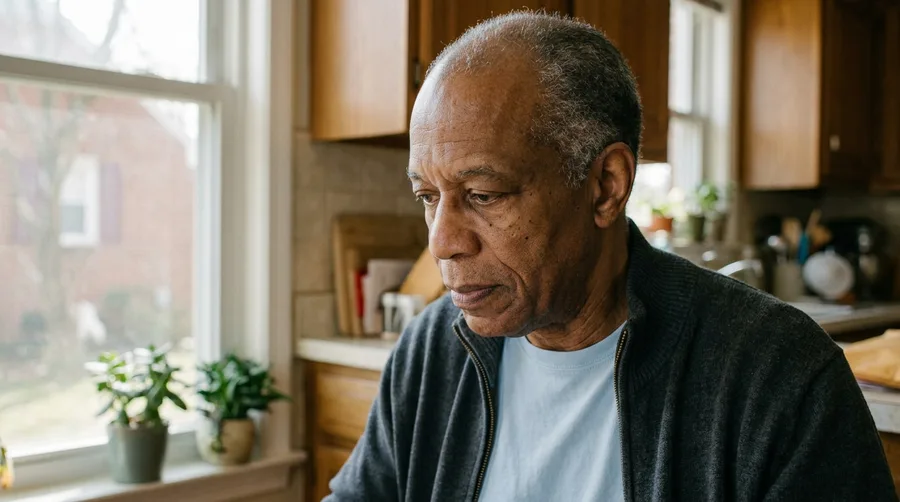
Image credit: Sagely Chic
Changes in physical ability can be difficult for someone who has always valued independence.
A sore knee, reduced stamina, new medical appointments, or difficulty completing familiar tasks can raise uncomfortable questions about the future.
For someone accustomed to solving problems independently, acknowledging a new limitation may feel vulnerable.
Instead of turning every physical concern into a serious conversation, practical support can sometimes be easier to accept.
Offer to help schedule an appointment, drive to a visit, or organize information when appropriate. At the same time, respect the person’s right to participate in decisions about their own health.
The Adjustment Arc After Sixty
🚪
Month 1
Initial Withdrawal
Some people may temporarily step back from social activities while adjusting to a major change.
🛠️
Month 3
Solitary Routines
Independent hobbies or projects can provide structure and a sense of control.
🤝
Month 6
Quiet Reconnection
Some people gradually reconnect socially as they become more comfortable with a new routine.
☀️
Month 12
Stable Acceptance
A new balance between solitude, hobbies, and social connection may develop over time.
6. The Quiet Afternoon in the Garage

Image credit: Sagely Chic
A garage, workshop, garden, or spare room can become a favorite place for quiet time after retirement.
Someone may spend an hour sorting tools, organizing supplies, tending plants, repairing something, or simply sitting with a project without producing anything measurable.
From the outside, that behavior can look like avoidance. But a solitary hands-on activity can also provide structure without the pressure of conversation or outside expectations.
If he is comfortable and the activity is not interfering with important responsibilities, there may be no reason to interrupt it.
A simple gesture can communicate care without creating pressure. Bring him a glass of water, mention that you are nearby, and allow him to continue whatever he is doing.
Respecting someone’s need for quiet can sometimes build more trust than demanding an explanation for it.
Processing Styles Compared
Internal reflection versus external verbalization
85
Internal Processing
May prefer thinking through feelings privately before talking about them.
VS
15
External Processing
May prefer discussing thoughts immediately to understand them.
7. Reframing Silence as a Different Dialect of Care

Image credit: Sagely Chic
Not everyone expresses affection primarily through words.
For some people, care may appear through practical actions: fixing a loose gate, filling the car with gas, taking care of a household repair, making coffee, or remembering something that needs to be done.
These actions should not automatically be treated as proof of someone’s emotions, but they can be opportunities to recognize the ways a person naturally contributes.
Instead of saying, “Why don’t you ever talk about how you feel?” try acknowledging something he has done.
You might say, “I noticed you fixed the back fence. Thank you for taking care of that.” A simple acknowledgment can create connection without demanding emotional disclosure.
Evaluating Approaches to Silence
🗣️
Demanding Immediate Answers
Often Unhelpful
Pressuring someone to explain their emotions immediately can make an already difficult conversation more stressful.
🚶
Sharing Space Quietly
Lower Pressure
Being nearby without demanding conversation can create a more comfortable opening for communication.
8. The Exact Words to Use When the Silence Gets Heavy

Image credit: Sagely Chic
When silence begins to feel uncomfortable, the instinct may be to ask question after question.
A gentler approach is to communicate that you are available without requiring an immediate response.
Try saying: “You do not have to talk right now, but I am right here if you want company.”
Then give the person room to decide whether they want to speak.
If the quietness continues for a long time or comes with signs of distress, major changes in daily functioning, loss of interest, or other concerning symptoms, a calm conversation about getting professional support may be appropriate.
9. What This Quietness Buys and Spends

Image credit: Sagely Chic
Quietness can provide something valuable: space to think, rest, recover from stimulation, or simply enjoy a slower pace.
But there can also be a downside if silence gradually replaces every form of connection. A partner may begin to feel as though they are carrying the entire conversational side of the relationship.
The goal is not to eliminate silence. It is to find a balance where both people can have quiet time while still maintaining meaningful connection.
Instead of treating every silent moment as a problem, notice whether there are also regular opportunities for conversation, shared activities, affection, and companionship.
Sometimes the healthiest response is simply to sit together without forcing words.
10. The Long-Term Cost of Forcing Constant Conversation
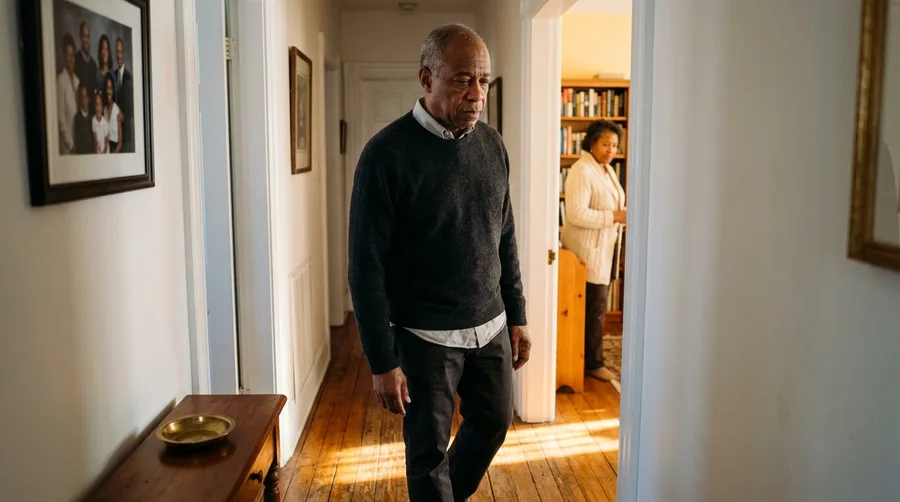
Image credit: Sagely Chic
I used to think that filling every quiet moment with questions showed that I cared. Eventually, I realized that constant questioning could make the other person feel as though their natural quietness was a problem.
Trying to force an immediate answer may produce a few words, but it does not necessarily create genuine emotional openness.
When someone repeatedly feels pressured to explain every quiet moment, they may become even less willing to share.
That is why patience matters. Give silence some room while keeping the door to conversation open.
There is a difference between respecting someone’s quiet nature and ignoring a genuine change in their well-being. The key is paying attention to the whole pattern rather than interpreting one quiet afternoon as evidence of a deeper problem.
Frequently Asked Questions
Is it normal for men to become more withdrawn after turning sixty?
Some men do become quieter or more private after major life changes such as retirement, changes in health, or shifts in daily routine. However, there is no single pattern that applies to every man over 60. Personality and circumstances matter.
How can I tell if his quietness is depression or just normal solitude?
Look beyond silence itself. Persistent sadness, loss of interest in activities, major changes in sleep or appetite, difficulty functioning, hopelessness, or other significant changes can be reasons to encourage a conversation with a healthcare professional. Quietness alone cannot establish a diagnosis.
Should I push him to talk about his feelings when he goes quiet?
Repeated pressure can make some people withdraw further. A better approach may be to let him know you are available, give him some space, and return to the conversation when the timing feels more comfortable.
What are some ways to connect without forcing conversation?
Try activities that allow companionship without requiring constant talking. Cooking together, walking, gardening, drinking coffee, watching a favorite program, or working on separate projects in the same room can all provide connection.
The One Conversation to Have Before Sunday
If you try one simple change, offer unpressured presence.
Sit nearby, share a cup of coffee, or take a quiet walk without turning the moment into an emotional interview. Let the person know that you are available if they want to talk.
At the same time, do not assume that every change in behavior should simply be left alone. If quietness is persistent, worsening, or accompanied by signs of emotional or physical distress, it deserves a thoughtful conversation and possibly professional guidance.
Try This Simple Shift Today
Notice one quiet way he contributes to your shared life and acknowledge it without immediately asking for an emotional explanation.
Sometimes a simple “Thank you for taking care of that” opens more space for connection than a dozen questions.