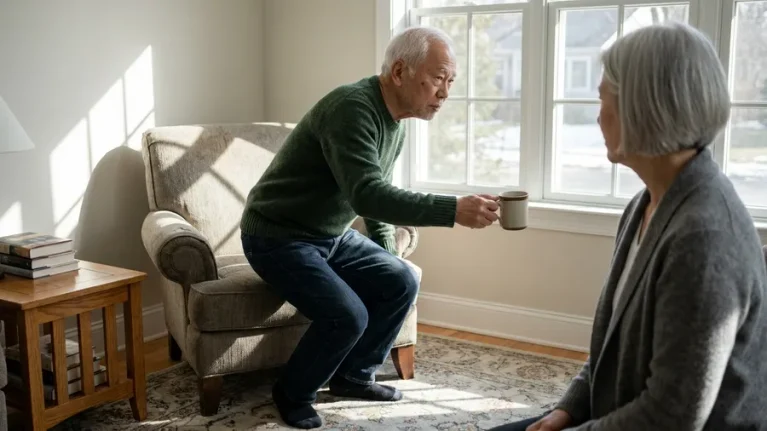
When illness changes a long marriage, love can begin to look very different from the relationship you knew before.
At 70, I found myself caring for my wife through long days of physical support after a stroke. Our 42-year marriage suddenly revolved around routines, appointments, meals, mobility, rest, and the small details of getting through each day.
Caregiving taught me that love does not disappear when romance becomes harder to recognize. It can change into patience, presence, forgiveness, shared silence, and the willingness to accept help when doing everything alone becomes too much.
These are ten lessons I learned while trying to care for my wife without losing myself in the process.
Quick Tips Before You Start
⏱️
Pace Your Energy
Break demanding caregiving tasks into manageable periods whenever possible. Constantly pushing through exhaustion can make an already difficult routine harder to sustain.
🗣️
Name the Grief
It is possible to love your partner deeply while grieving the changes illness has brought to your relationship. Acknowledging those feelings does not diminish your love.
🤝
Accept Support
Let trusted family members, friends, respite workers, or other appropriate support services help before you reach your limit.
🌱
Accept Today
Try to meet your partner where they are now instead of measuring every day against the person they were before illness.
1. Love shifts from romantic passion to radical presence.

Image credit: Sagely Chic
When much of your day is spent helping with meals, mobility, medication routines, personal care, and the physical aftermath of illness, the familiar shape of a long marriage can change quickly.
The hardest part can be grieving the partner you remember while still caring deeply for the person beside you. The spontaneous dinners, easy conversations, and ordinary independence may no longer look the same.
But another kind of intimacy can grow in its place. Adjusting a pillow, bringing a favorite drink, sitting nearby, or helping with a difficult task can become quiet expressions of devotion.
I eventually stopped measuring our relationship by whether it looked like our old romantic life. Love was still there. It simply needed a different language.
💡 Tip: During difficult stretches of the day, focus on small acts of steady reliability instead of expecting grand romantic moments.
💡 PRO TIP
Redefining Partnership
Physical dependence can change the way intimacy works in a long marriage. Letting go of old expectations can make room for forms of connection that fit your life now.
2. Resentment and guilt coexist in every honest bond.

Image credit: Sagely Chic
There were moments when I felt frustrated because I had been called back into the bedroom several times in a short period. Then the guilt would arrive because I knew my wife was not choosing to be ill or dependent on me.
Caregiving can create complicated emotions. You can love someone completely and still feel tired, frustrated, lonely, or desperate for a few hours to yourself.
Those feelings do not automatically make you a bad spouse. What matters is recognizing them instead of pretending they do not exist.
Learning to pause when frustration appeared gave me enough space to separate my exhaustion from my feelings toward my wife.
Caregiver Reality Check — At a Glance
⏰ Daily Care
14 Hours
📅 Respite Help
4 Hours Weekly
💍 Prior Marriage
42 Years
🏠 Setting
At Home
Core Balance
Honest self-compassion can make it easier to recognize caregiver frustration without turning every difficult emotion into self-blame.
3. Identity dissolves before you even notice it.

Image credit: Sagely Chic
“I am fine. Just go ahead without me.”
I said versions of that sentence to neighbors, friends, and people who invited me somewhere. At first it seemed harmless. Eventually, I realized I was using caregiving as a reason to disappear from my own life.
My world became smaller. Reading, casual conversations, errands that had nothing to do with caregiving, and simple time away from home slowly disappeared from my routine.
Even four hours of weekly respite care initially felt difficult to accept. I worried that leaving the house meant I was failing my wife.
Instead, those hours helped me remember that I was still a husband, friend, neighbor, and individual—not only a caregiver.
Protecting a small amount of personal space did not take away from my commitment to my wife. It helped make the responsibility more sustainable.
Caregiver Approaches
❌
The Isolation Trap
- Suppressing all personal needs
- Refusing every offer of respite help
- Allowing caregiving to become your entire identity
- Relying on physical and emotional endurance alone
✔️
Sustainable Support
- Protecting small personal boundaries
- Accepting appropriate respite hours
- Keeping some independent interests and relationships
- Recognizing personal limits early
4. Patience is a muscle that eventually tears.
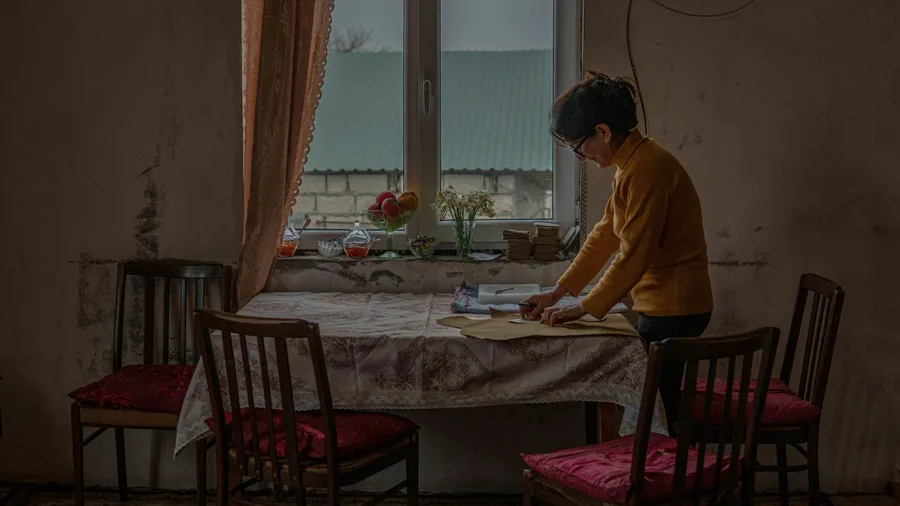
Image credit: Sagely Chic
After enough nights of broken sleep, even ordinary problems can feel enormous. A dropped mug, a misplaced item, or a delayed response can trigger irritation that would never have bothered you under normal circumstances.
Long-term caregiving can place enormous demands on emotional reserves. When you are physically tired and mentally overloaded, your ability to absorb one more problem becomes much smaller.
That does not mean harmful behavior should be excused. There is an important difference between recognizing caregiver exhaustion and allowing exhaustion to become intimidation, cruelty, or abuse.
For me, the solution was learning to notice the early warning signs. When I felt my frustration rising, I sometimes stepped into another room for a brief moment, took a few breaths, and returned when I was calmer.
A short pause was not abandonment. It was a way of preventing one difficult moment from becoming a larger conflict.
You can say, “I need a minute to breathe,” or simply create a brief safe pause when circumstances allow. Asking for backup can also be important when the demands consistently exceed what one person can manage.
Critical Burnout Thresholds
⚠️
Chronic Exhaustion
Ongoing poor sleep and constant demands can make emotional regulation much harder.
🛑
Complete Isolation
Cutting yourself off from friends, family, and support can leave you with fewer resources when stress increases.
Pay attention to your limits before your physical and emotional reserves are completely depleted.
5. Grief happens long before death actually arrives.
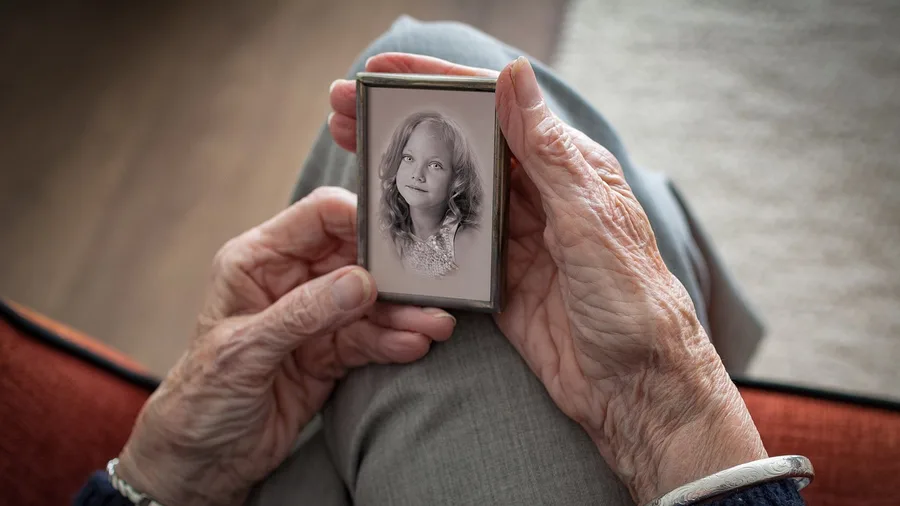
Image credit: Sagely Chic
Caregiving introduced me to a type of grief I had never expected. My wife was still here, sitting beside me, yet parts of the life we had built together were already gone.
The routines, abilities, conversations, and independence that once defined our marriage had changed. That created an emotional conflict that was difficult to explain.
You can be grateful that your partner is still with you while simultaneously mourning what illness has taken away.
I learned that acknowledging this grief was not the same as giving up hope. It was simply being honest about the changes happening in front of me.
Allowing myself to feel sadness without immediately pushing it away made the caregiving experience easier to process.
🌱 GROWING TIP
Processing Anticipatory Grief
You can mourn changes in a living relationship while continuing to love and support your partner. Naming that grief can make it easier to carry rather than forcing yourself to appear strong every moment.
6. Accepting outside help is an act of fierce loyalty.

Image credit: Sagely Chic
For a long time, I thought doing everything myself was proof of how much I loved my wife. Eventually, I realized that refusing every offer of help could leave both of us worse off.
Even a few hours of respite support created space to rest, handle personal responsibilities, or simply step outside the caregiving routine.
Accepting help did not reduce my commitment. It gave me more energy to be present when I was actually with my wife.
There is no prize for reaching complete exhaustion before admitting that you need support.
7. Shared silence becomes a deeper language.
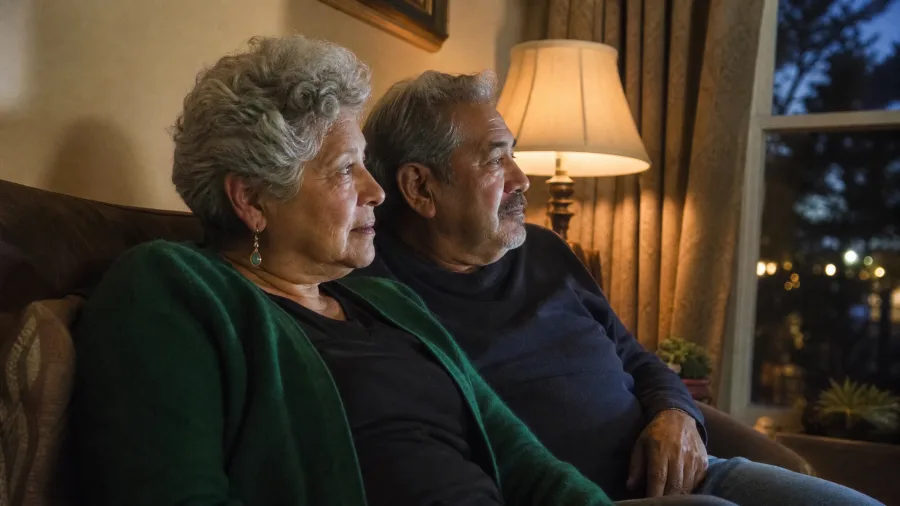
Image credit: Sagely Chic
I once believed that losing easy conversation would mean losing our connection. At first, I filled quiet rooms with unnecessary talking because silence made me uncomfortable.
Over time, I discovered that we could still share meaningful moments without constant conversation.
Sitting together, listening to music, holding hands, drinking coffee, or watching the light change outside became its own form of companionship.
When words became harder, I learned to pay attention to other forms of communication. A familiar routine or quiet presence could say more than a long conversation.
Connection Alternatives
🎵 Shared Music 🤝 Holding Hands ☕ Morning Coffee 🌅 Porch Sitting
8. Forgiveness must be practiced multiple times a day.
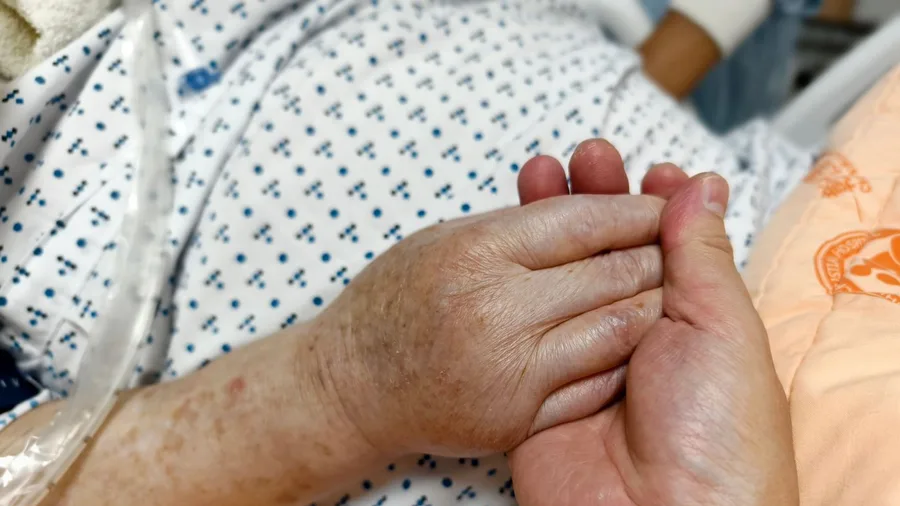
Image credit: Sagely Chic
Exhaustion can make small disagreements feel much larger than they really are. A spilled drink or a difficult meal can become the spark for an argument when both people are already worn down.
I learned that holding onto every sharp word only made the next hour harder.
When possible, I tried to reset quickly rather than keeping a mental record of every frustrating moment. That did not mean pretending difficult conversations never happened. It meant deciding which moments needed discussion and which ones could simply be released.
Forgiveness became less about one dramatic conversation and more about repeatedly choosing not to let small moments accumulate into lasting resentment.
Daily Conflict Strategies
⏱️
Immediate Reset
Most Helpful
When circumstances allow, stepping away briefly and returning with a calmer tone can prevent a small disagreement from growing.
🗣️
Rehashing Details
Avoid
Repeatedly revisiting every past frustration can add more emotional weight to an already demanding day.
9. Your shared history acts as an emotional anchor.

Image credit: Sagely Chic
When the present becomes dominated by medical routines and daily caregiving tasks, memories of the life you built together can provide another perspective.
Forty-two years of shared experiences reminded me that our marriage was much bigger than the illness occupying our attention.
I could remember trips, ordinary mornings, family celebrations, difficult seasons we had already survived, and the countless small experiences that shaped our relationship.
Those memories did not erase the challenges of the present. They helped me remember my wife as a whole person rather than seeing her only through the lens of her current limitations.
10. True commitment means loving who is here right now.

Image credit: Sagely Chic
“I just want my wife back.”
I thought those words many times. I missed the independent woman who had shared so much of my life, and it was difficult not to compare the present with everything we had before the stroke.
But constantly comparing today with yesterday created another kind of distance between us.
I eventually understood that accepting the present did not mean forgetting the past. It meant allowing my wife to be more than the person she had been before illness.
She was still my wife. Our relationship had changed, but it had not become meaningless.
That realization helped me focus on the moments we could still share rather than spending every day wishing for a return to an earlier version of our life.
Love at 70 did not look like love at 30 or 40. It became quieter, more practical, and more focused on presence.
I could not control what illness had changed. I could choose how I showed up for the person in front of me.
Frequently Asked Questions
How do I handle overwhelming caregiver burnout?
Start by recognizing when your responsibilities are exceeding your available energy. Break tasks into manageable periods, protect regular rest when possible, and consider appropriate respite or professional support rather than waiting until you are completely depleted.
Is it normal to feel angry at a sick spouse?
Caregiving can bring frustration, anger, sadness, and many other difficult emotions. Having an emotion does not make you a bad spouse. The important step is finding safe ways to manage those feelings and getting additional support when they become difficult to control.
How can we stay connected when conversation becomes difficult?
Connection does not always require long conversations. Shared music, holding hands, sitting together, familiar routines, photographs, or simply being present can create meaningful moments when verbal communication becomes difficult.
Why is accepting outside help so difficult?
Some caregivers feel that accepting help means they are failing their partner. In reality, appropriate support can give caregivers time to rest and return to their responsibilities with more energy. Asking for help can be part of creating a sustainable caregiving routine.
How do I stop wishing for my old life back?
It may help to acknowledge the loss rather than forcing yourself to move past it immediately. Remembering the life you shared while also making room for the relationship you have today can create a more balanced way of coping with change.
The Quiet Integration of Late-Life Care
Becoming my wife’s caregiver changed the way I understood commitment.
I learned that love during a difficult health transition is not always romantic or dramatic. Sometimes it looks like preparing a meal, adjusting a pillow, accepting help, sitting quietly, apologizing after a difficult moment, or simply staying present.
At 70, caring for the woman I had loved for 42 years taught me that devotion can change shape without disappearing.
Some days were exhausting. Some were sad. Others contained surprisingly peaceful moments. Together, they taught me that love can still exist in a very different form when life no longer looks the way you expected.
Reflect on Your Caregiving Journey Today
Take five quiet minutes to look at your caregiving routine. Identify one small area where you could accept support, protect your own energy, or create a peaceful moment with your partner.
You do not have to solve everything at once. One small change can create a little more breathing room for both of you.