The 2026 Color Trends Women Over 50 Should Add to Their Wardrobe
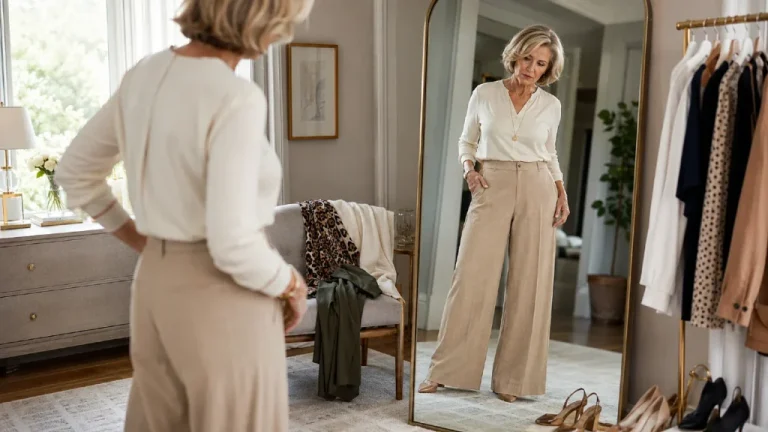
Adding color to your wardrobe after 50 does not have to mean abandoning the neutral pieces you already love. In fact, the easiest way to make your style feel fresh is often to introduce one new shade at a time.
For 2026, the color conversation includes a useful mix of soft neutrals, earthy greens, warm browns, clear blues, rich reds, and brighter accent shades. That gives you plenty of ways to experiment without rebuilding your entire closet.
The key is choosing colors that work with your existing clothes, your lifestyle, and the level of contrast you feel comfortable wearing. A trend becomes much more useful when you can actually wear it in everyday life.
Key Takeaways
- Soft white, cocoa, sage, and olive are easy starting points for a refreshed wardrobe.
- Brighter shades can be introduced through accessories, shoes, scarves, and single statement pieces.
- Fabric and texture can dramatically change how a color looks and feels.
- A simple three-part color formula can make getting dressed easier.
- You do not need to follow every trend; choose shades that work with clothes you already own.
What Makes a 2026 Color Worth Adding
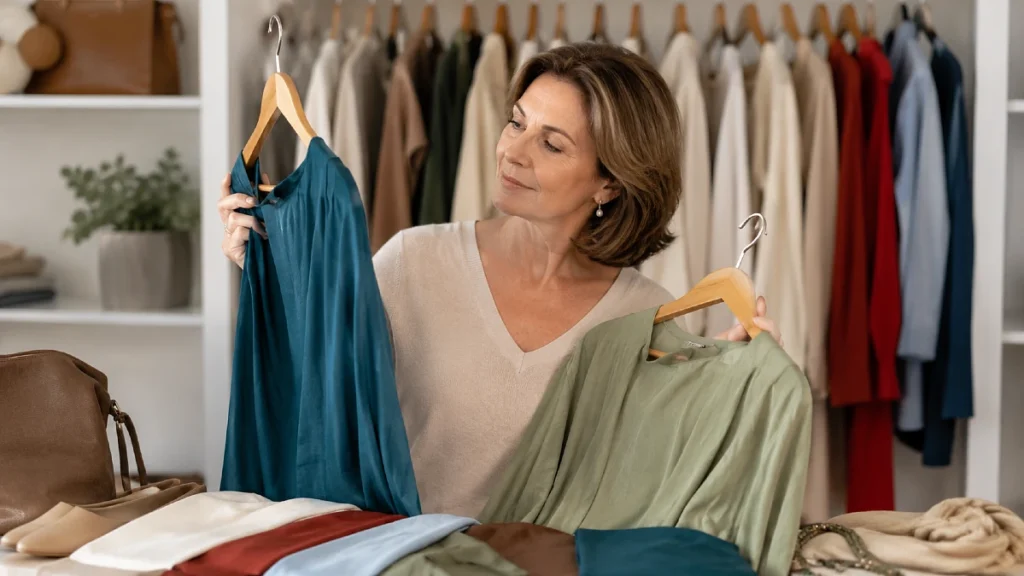
Image Credit: Sagely Chic
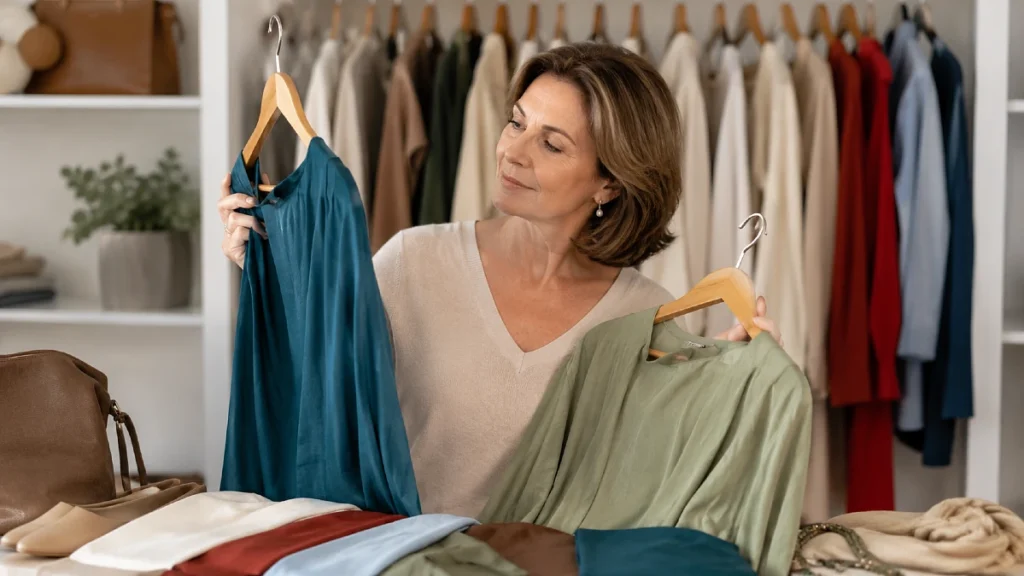
A trendy color is only useful if it gives your wardrobe something practical. Before buying it, think about whether you can pair it with at least several pieces you already own.
The strongest additions usually make an existing outfit feel newer rather than forcing you to create an entirely different style. A color can refresh denim, soften dark tailoring, brighten simple knitwear, or give a familiar neutral combination a modern touch.
For 2026, soft whites, greens, warm browns, clear blues, rich reds, and turquoise-inspired shades offer plenty of possibilities. You can wear these colors boldly, or use them in much smaller doses depending on your personal style.
A useful trend color should ideally do at least one of these things:
- Give familiar neutrals a fresher appearance.
- Add warmth or brightness around the face.
- Bring a current detail to otherwise simple outfits.
Color tip: You do not have to choose the most intense version of a trend. A vivid red can become a handbag, butter yellow can appear in a lightweight knit, and turquoise can be limited to jewelry or a scarf.
Start With the New Neutrals: Soft White, Cocoa, Sage, and Olive
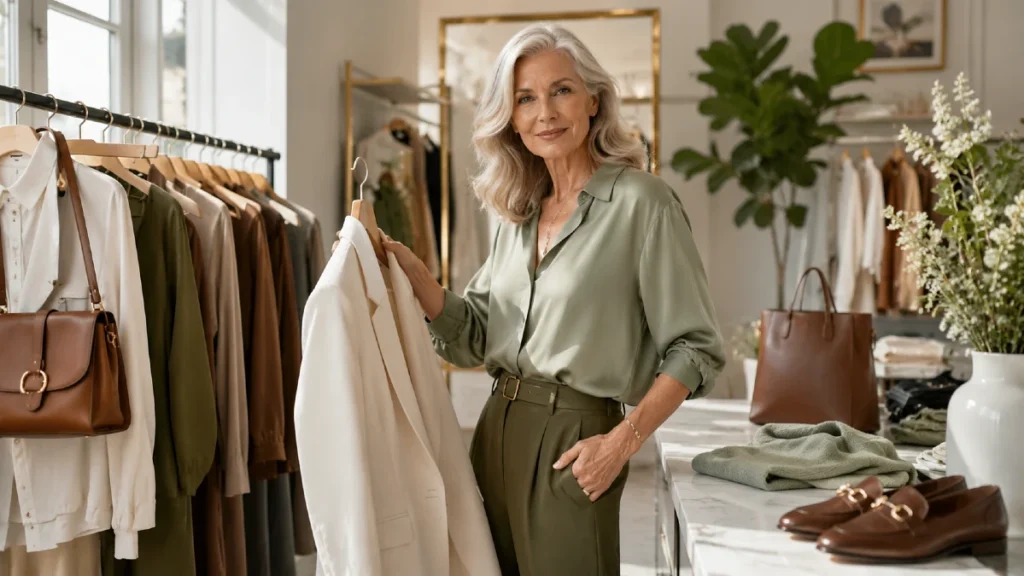
Image Credit: Sagely Chic
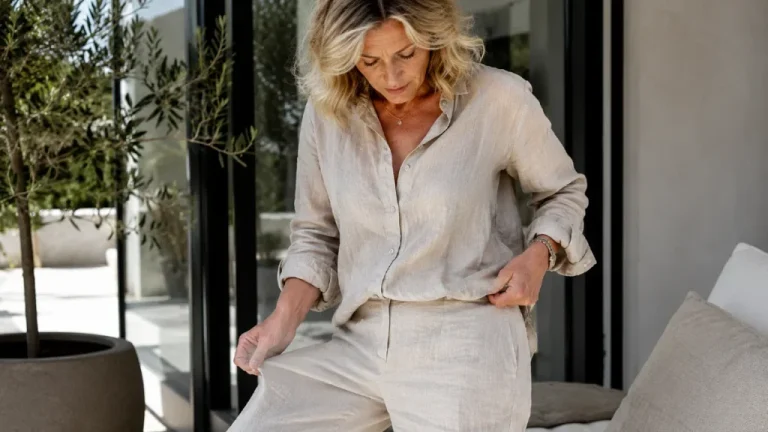
If bright colors make you hesitant, begin with shades that behave almost like neutrals. Soft white, cocoa, sage, olive, and warm beige can add color without making an outfit feel dramatic.
Soft white can feel gentler than stark white, while cocoa provides some of the depth you may normally get from black. Sage and olive introduce green while remaining easy to combine with denim, cream, tan, and other everyday shades.
These colors are particularly useful for casual wardrobes because they can move easily between errands, lunches, travel days, and relaxed work settings.
| Color Trend | Good Pieces to Try | Easy Pairings |
|---|---|---|
| Soft white | Shirts, knit tops, linen jackets | Denim, navy, camel, cocoa |
| Cocoa brown | Trousers, loafers, belts, handbags | Cream, sage, pale blue, blush |
| Sage green | Cardigans, blouses, lightweight jackets | White, denim, tan, chocolate brown |
| Olive | Trousers, shirt dresses, utility jackets | Black, ivory, stripes, gold accessories |
| Warm beige | Trench coats, knit vests, skirts | Red, teal, white, denim |
These shades are also useful when black feels a little too dominant near the face. You do not need to stop wearing black. Simply balance it with warmer or softer colors.
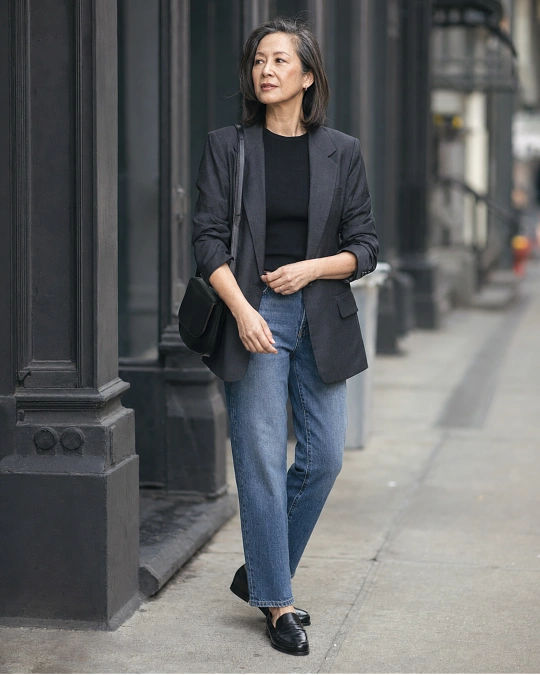
Try this: Pair black trousers with a soft white blouse and cocoa-colored shoes. The outfit remains classic while the lighter and warmer elements make the overall combination feel less severe.
Use Bright Colors as Accents, Not a Personality Change
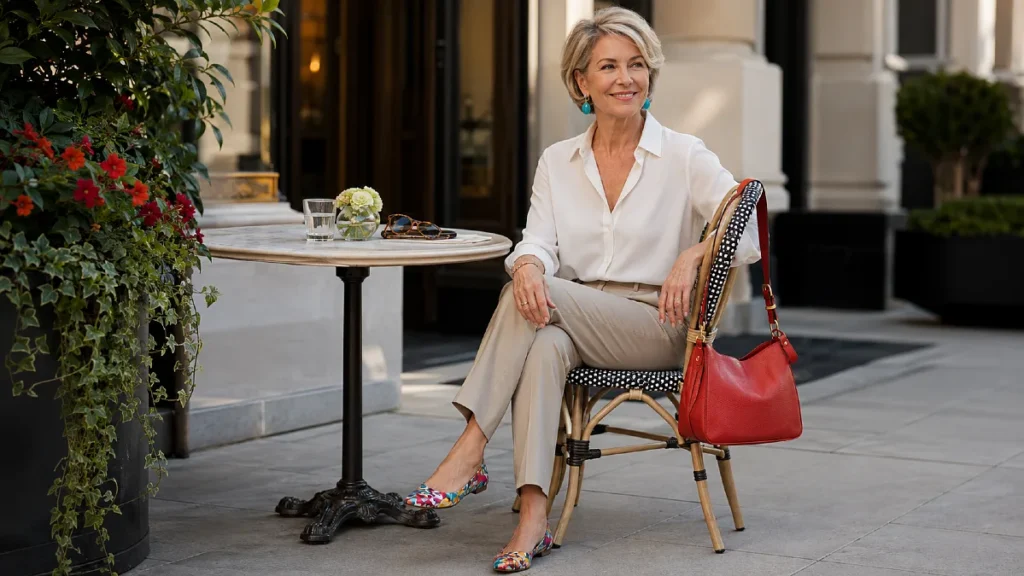
Image Credit: Sagely Chic
Bright colors can be exciting, but they do not need to dominate an outfit. If a full red dress or vivid jacket feels outside your comfort zone, use the shade in a smaller role.
Red, turquoise, fuchsia, yellow, and vivid blue can work beautifully as accessories or as one focused part of an outfit. A bright shoe, handbag, scarf, belt, or blouse can introduce the trend without changing your entire look.
| Instead of | Try |
|---|---|
| Head-to-toe bright red | Red flats, a handbag, or a cardigan |
| Neon yellow near the face | Butter yellow knitwear, a scarf, or a bag |
| Turquoise from head to toe | Turquoise earrings, sandals, or a linen shirt |
| A bold fuchsia dress for daytime | A fuchsia blouse underneath a navy blazer |
| Lime trousers | A lime accessory with a white shirt and denim |
The amount of color matters. A small burst of an intense shade can look intentional, while wearing several highly saturated colors together may feel overwhelming if you prefer understated dressing.
Shoe swap: Try red ballet flats or a low block heel with jeans and a white shirt. It is a simple way to bring a brighter 2026 shade into an everyday outfit.
Choose Fabrics That Make Trend Colors Look Expensive
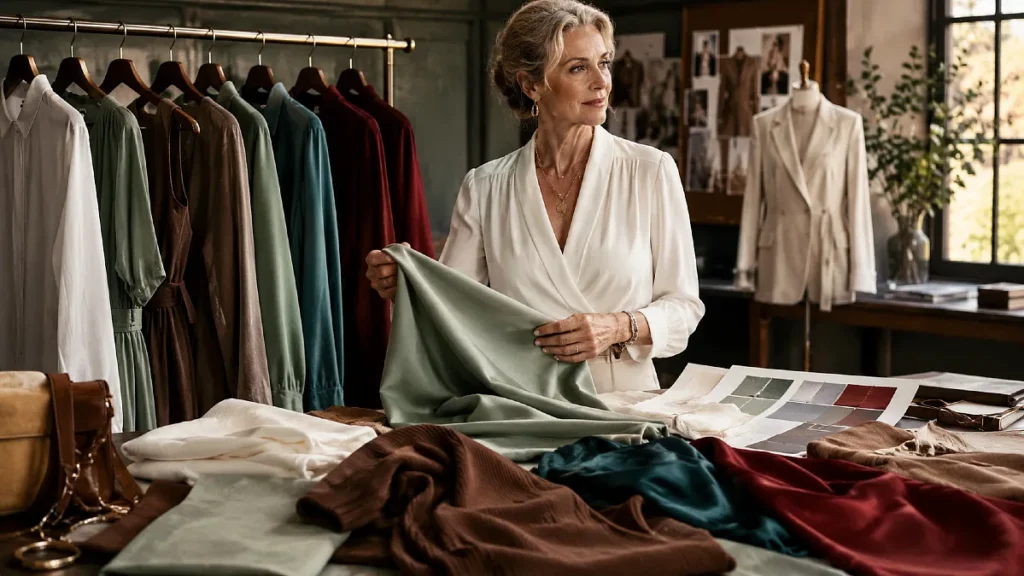
Image Credit: Sagely Chic
Color does not exist on its own. The fabric carrying it can completely change the way it looks.
A saturated shade in a thin or clingy material may feel very different from that same shade in cotton, linen, suede, leather, satin, or a refined knit. Texture gives color depth and can make a trend feel more sophisticated.
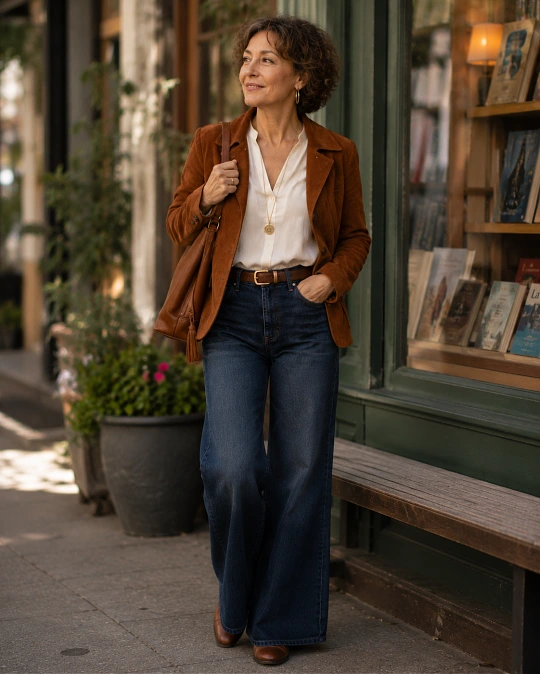
For example, soft white can look relaxed in linen or knitwear. A deep red can feel polished in a structured blouse or leather accessory. Sage can work especially well in cotton twill, poplin, or lightweight outerwear.
| Fabric | Colors to Explore | Overall Effect |
|---|---|---|
| Linen | Soft white, olive, sky blue | Relaxed and breathable |
| Cotton poplin | White, red, pale blue | Crisp and polished |
| Fine knit | Butter yellow, sage, blush | Soft and comfortable |
| Suede or faux suede | Cocoa, olive, burnt orange | Rich and dimensional |
| Satin or silky fabric | Teal, red, purple | Dressy and luminous |
Fabric note: Shiny surfaces usually make colors appear more noticeable, while matte textures can make the same shade feel quieter.
If a particular color feels too strong in satin, try it in cotton instead. If a red jacket feels too intense, introduce that red through a handbag or shoe. Changing the fabric can make a familiar trend much easier to wear.
Build a Simple Color Formula You Can Repeat
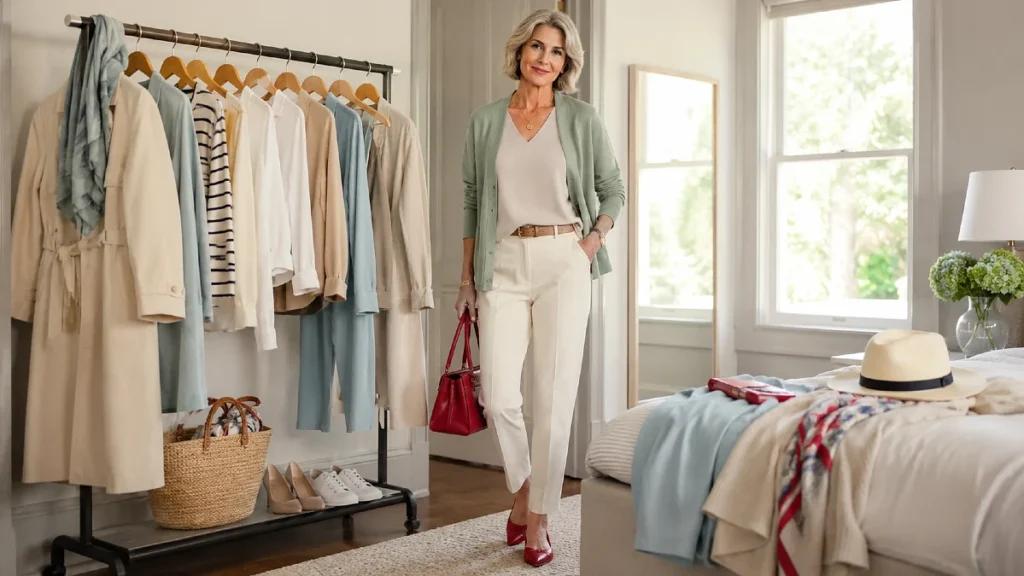
Image Credit: Sagely Chic
A wardrobe becomes easier to use when you have a few reliable outfit combinations. You do not need dozens of color choices every morning.
A simple approach is to combine one neutral base, one softer color, and one small accent.
Formula: one calm base + one soft color + one small accent.
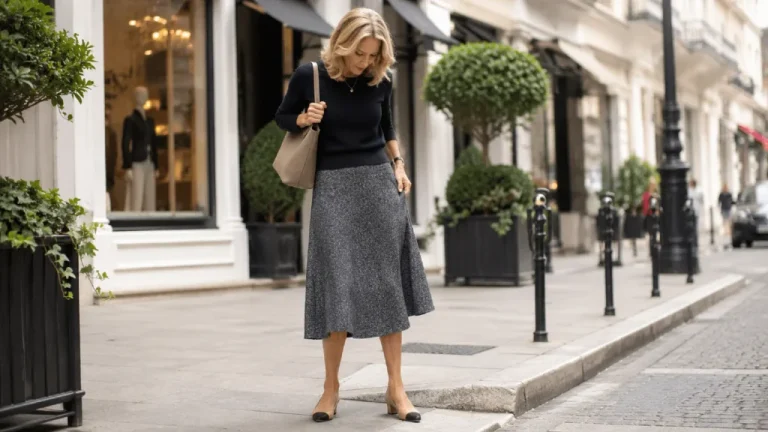
For example, you could combine ivory jeans with a sage blouse and red flats. Another option might be dark denim with a soft white top and turquoise jewelry.
| Occasion | Outfit Formula | Why It Works |
|---|---|---|
| Errands | Straight jeans + soft white tee + red flats | Simple foundation with a cheerful detail |
| Lunch | Cocoa trousers + pale blue shirt + gold jewelry | Warm, polished, and uncomplicated |
| Travel | Olive trousers + cream knit + brown sneakers | Comfortable with coordinated color |
| Casual dinner | Dark denim + teal blouse + neutral sandals | Rich color gives the outfit more presence |
| Work from home | Sage cardigan + white tank + soft black trousers | Comfortable while still looking put together |
The advantage of this formula is that the foundation can come from clothes you already own. You may only need one new top, scarf, shoe, or cardigan to bring the combination up to date.
Budget-friendly swap: Before investing in an expensive trend-colored dress, test the shade with a scarf, inexpensive top, or accessory. Wear it in different lighting and alongside the clothes you normally reach for.
Match Color to Where You Wear It
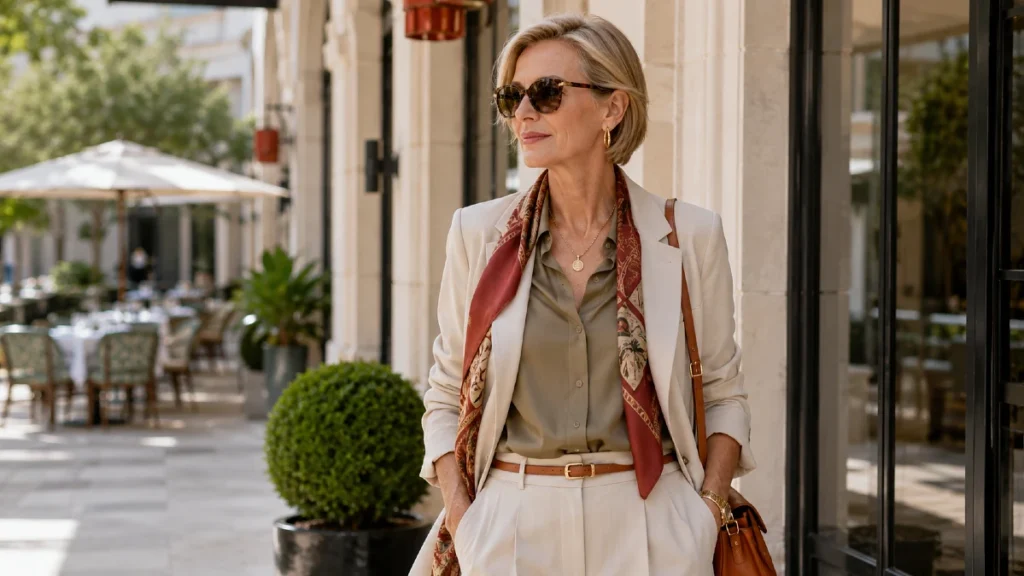
Image Credit: Sagely Chic
Not every color needs to work in exactly the same way for every occasion. A shade that feels perfect on vacation may need a different treatment for the office or a dinner out.
Soft white, sky blue, olive, and butter yellow can feel relaxed during daytime. Teal, deep red, cocoa, and richer purple tones can bring more visual depth to evening outfits.
Travel wardrobes benefit from colors that coordinate easily with several shoes and bottoms. A soft white jacket, for example, can work with denim, black trousers, or a simple dress.
This approach also makes building a capsule wardrobe over 50 more practical. Instead of buying isolated trend pieces, select colors that can appear repeatedly throughout your week.
A cocoa loafer can replace a black shoe when you want a warmer combination. A teal blouse can make familiar trousers feel different. An olive jacket can work with denim, cream, black, and tan.
Seasonal swap: During warmer months, combine soft white with sky blue and tan. When temperatures drop, try that same soft white with cocoa, olive, and deeper red.
The Colors to Be Careful With and How to Make Them Work
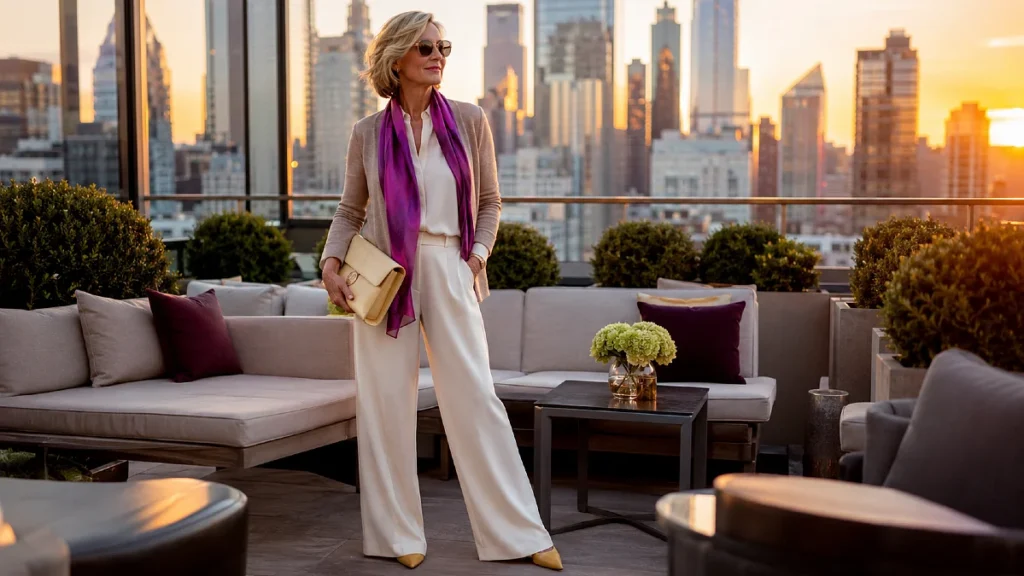
Image Credit: Sagely Chic
Some trend colors naturally attract more attention than others. Lime, vivid yellow, and highly reflective purple can quickly become the focal point of an outfit.
That does not mean you have to avoid them. Instead, think about where the color appears, how much of it you are wearing, and which fabric you choose.
Lime can become a small print detail. Butter yellow can replace a neon version of yellow. Purple can appear in suede shoes, a handbag, or a small evening accessory rather than an entire glossy outfit.
The goal is not to remove strong colors from your wardrobe. It is to use them in a way that feels natural to you.
What to avoid: Do not buy a trend shade simply because you see it everywhere. Choose a color because it improves an outfit, works with your existing wardrobe, or makes you feel good wearing it.
2026 Color Strategy
Women over 50 can bring the year’s color directions into their wardrobes without replacing everything they already own.
Start with dependable neutrals such as soft white, cocoa, sage, olive, and warm beige. Once those feel comfortable, introduce stronger colors through accessories or one standout garment.
Keep the rest of the outfit simple when the color is strong. This gives the shade room to become the interesting part of the outfit without making the whole look complicated.
Frequently Asked Questions
What colors are trending for women over 50 in 2026?
Useful 2026 color directions include soft white, sage green, olive, cocoa brown, sky blue, tomato red, teal, butter yellow, and turquoise. Rather than choosing a shade solely because it is fashionable, consider how well it works with your current wardrobe and your preferred level of contrast.
Can women over 50 wear bright colors?
Absolutely. Age does not determine whether a bright color can work. Placement and proportion are often more important. If a full bright outfit feels too strong, begin with red shoes, a turquoise necklace, a teal blouse, or a colorful scarf.
What color makes an outfit look more polished?
Soft white, cocoa, navy, olive, and deep teal are versatile choices because they combine easily with wardrobe staples. The fabric and fit matter just as much as the shade, so clean lines and quality-looking textures can make a simple color combination feel more refined.
How do I add trendy colors without looking try-hard?
Let one color become the focal point and keep the rest of the outfit familiar. A white shirt, straight-leg jeans, and red flats can look current without requiring several trend pieces at once. Simple styling, good proportions, and thoughtful accessories usually do more than piling on multiple fashion trends.
Should I change my whole wardrobe for 2026 color trends?
No. It is usually more practical to update the wardrobe gradually. Add a fresh neutral, a softer color, or one accent shade that works with pieces you already wear. Even one new cardigan, scarf, shoe, or handbag can create several new combinations.
Conclusion
Color after 50 does not have to mean following every new fashion direction. The most useful trends are the ones that make your existing wardrobe feel more current while still feeling like you.
Start with approachable shades such as soft white, cocoa, sage, and olive. Then experiment with stronger colors through accessories, shoes, scarves, or one standout piece.
The right color is not necessarily the loudest one. It is the shade that works with your clothes, your lifestyle, and the way you want to feel when you get dressed.