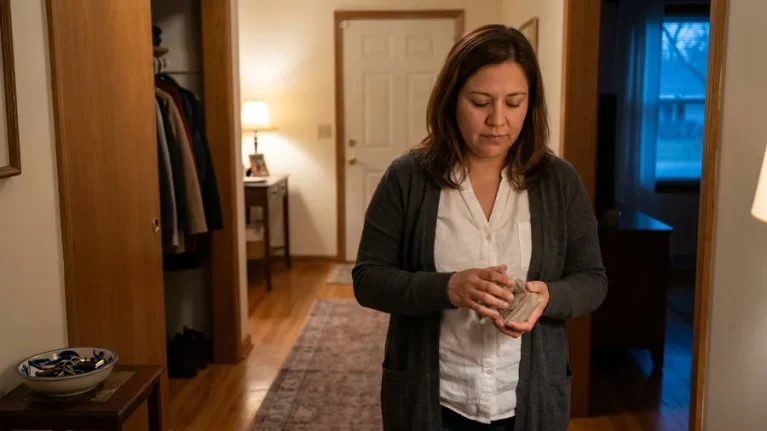
Loneliness does not always look like sadness, silence, or someone sitting alone at home. Sometimes it appears as an unusually packed schedule, constant online activity, rigid routines, or an intense insistence that everything is fine.
After decades working with people across different stages of life, I learned that signs someone is truly lonely can be surprisingly subtle. A person may have plenty of conversations and still lack the deeper connection they need.
The important thing is not to diagnose someone from one behavior. Look for repeated patterns, changes from their usual routine, and signs that their daily activities may be replacing meaningful connection.
Quick Tips Before You Start
👀
Look For Patterns
One canceled dinner or a quiet weekend does not automatically indicate loneliness. Pay attention to repeated changes that continue over time.
🛑
Skip The Pity
Pity can make someone feel exposed or judged. A calm, respectful approach usually makes it easier for a person to accept genuine connection.
⚖️
Notice The Extremes
Constant busyness and complete withdrawal can both deserve attention when they represent a significant change in someone’s normal behavior.
The Illusion of Connection

We often imagine a lonely person as someone who spends every evening alone waiting for the phone to ring.
In reality, loneliness can hide behind a surprisingly busy lifestyle. Someone may fill every hour with errands, television, shopping, chores, or online activity while rarely experiencing meaningful emotional connection.
That is why looking at the quality of connection matters as much as counting how many activities someone has on their calendar.
1. They Constantly Buy Things They Don’t Need

You arrive at someone’s home and find packages stacked near the front door.
Frequent shopping does not automatically mean a person is lonely. People buy things for many reasons, including convenience, hobbies, sales, or simple enjoyment.
But a noticeable change toward unnecessary purchases can sometimes be worth exploring when it happens alongside social withdrawal. Ordering something creates anticipation, a transaction, and often a brief interaction with another person.
I once worked with an older adult who began making repeated customer-service calls about ordinary purchases. The conversations appeared to be about orders, but the regular human contact seemed to matter just as much.
The better response is curiosity rather than criticism.
⚠️ COMMON MISTAKE
Do Not Mock The Purchases
Pointing out that someone already owns plenty of similar items may only make them defensive. If loneliness is part of the pattern, criticism can push them further away rather than creating an opportunity for connection.
2. They Over-Schedule Their Days With Busywork

A full calendar can be healthy. Work, hobbies, volunteering, exercise, and household projects can all add purpose to someone’s life.
The concern is when a person seems unable to tolerate an empty hour.
Someone may repeatedly reorganize the garage, make unnecessary errands, or create household projects simply to keep moving. If invitations from other people are consistently rejected because there is always another chore to finish, the pattern deserves a closer look.
The useful question is what happens when the work is finished.
A person who enjoys projects can usually stop and relax afterward. Someone who is using constant activity to avoid uncomfortable feelings may immediately search for another distraction.
Solitary Busywork vs Purposeful Action
✕
The Avoidance Schedule
- Making repeated errands when one trip would be enough
- Reorganizing the same household areas over and over
- Turning down calls or invitations because of unnecessary chores
- Keeping every evening filled until bedtime
✓
The Connection Schedule
- Maintaining a regular volunteer commitment
- Joining a local walking or hobby group
- Calling a friend or relative during everyday errands
- Leaving some unscheduled time for spontaneous connection
3. Their Conversations Linger on Trivial Details

Have you ever received a long phone call about something incredibly ordinary, such as a grocery receipt, neighborhood weather, or a minor household problem?
Small talk itself is not a problem. It is often how people begin building relationships.
But when someone repeatedly stretches ordinary conversations long after the practical subject is finished, they may simply be enjoying the contact. The weather forecast may not be the important part. Having someone listen might be.
Instead of abruptly ending every conversation, try moving gently toward something more personal.
Ask, “What was the best part of your week?” or “How have you really been feeling lately?” A question like that can create an opening for a more meaningful conversation without accusing the person of being lonely.
Myths About Isolated Talkers
MYTH They just love hearing themselves speak.
FACT Sometimes extended small talk is simply a way to maintain contact when deeper connection is limited.
MYTH They lack social self-awareness.
FACT Some people know they are talking too much but may find it difficult to end an interaction because the connection feels valuable.
Physical and Emotional Shifts

Long periods of loneliness can affect more than someone’s social calendar.
Changes in sleep, stress, activity levels, mood, and everyday routines can occur for many different reasons. Loneliness may be one factor, but it should not automatically be treated as the explanation.
That distinction matters because noticeable physical or emotional changes can sometimes require professional attention.
4. They Exhibit Exaggerated Reactions to Minor Illnesses

Repeatedly talking about minor physical symptoms can sometimes be another way a person seeks reassurance and contact.
Of course, a headache, cough, or stomach problem can be completely genuine. Never assume that someone’s physical complaint is imaginary simply because it seems minor to you.
The pattern becomes more interesting when ordinary symptoms repeatedly become the main reason someone contacts family members, friends, or caregivers.
For example, someone might send several updates about a mild headache throughout the day, then continue the conversation even after the practical health question has been answered.
Rather than dismissing the complaint, respond to both possibilities. You can take the health concern seriously while also asking how the person has been doing emotionally.
The Danger of Dismissal
⚠️
The Risk Writing off someone’s repeated health concerns as attention-seeking can damage trust and may cause a genuine medical problem to be overlooked.
🧠
The Reality Physical symptoms and emotional needs can exist at the same time. Someone may need medical guidance, reassurance, companionship, or all three.
5. Their Sleep Schedule Drifts Out of Normal Hours

A major life change can disrupt the structure that once kept someone’s day predictable.
After retirement, divorce, bereavement, or children leaving home, a person may no longer have the same reason to wake at a particular time. Without those anchors, late nights and daytime naps can gradually become routine.
Nighttime can also feel easier for someone who has become uncomfortable with social expectations. There are fewer messages, fewer invitations, and fewer reminders of what everyone else seems to be doing.
A consistently reversed schedule is not proof of loneliness, but when it appears alongside social withdrawal and other changes, it may be worth checking in.
🌙 The Drift Into Night
1
The Anchor Drops
A major life transition removes a regular morning responsibility or social interaction.
2
The Late Stay
Television, streaming, reading, or online activity continues late into the night.
3
The Afternoon Nap
Daytime fatigue encourages longer naps, which can make nighttime sleep even harder.
4
The Inversion
The person gradually becomes active during hours when most of their social world is asleep.
6. They Become Fiercely Attached to Fictional Characters

Enjoying television shows, books, podcasts, or fictional characters is completely normal. Stories can provide comfort, entertainment, inspiration, and a sense of familiarity.
The concern is when fictional or online relationships begin replacing nearly all real-world interaction.
Someone who spends hours watching a favorite show may simply love the story. But if they consistently cancel real-life plans to stay connected to an online personality or fictional world, the pattern may indicate that predictable, low-risk interaction feels safer than real relationships.
A helpful response is not to attack the interest.
Instead, use it as a bridge. If someone loves a particular podcast, ask what they enjoy about it and suggest continuing that conversation over lunch or coffee.
Artificial Intimacy vs Real Vulnerability
100
Parasocial Relationships
They can feel predictable and emotionally engaging while requiring little direct vulnerability or compromise.
VS
40
Real Friendships
They are less predictable and require effort, compromise, and vulnerability, but they can provide reciprocal human connection.
7. They Display Extreme Independence and Reject Help

Extreme self-reliance can sometimes look like confidence.
There is nothing wrong with wanting to handle your own responsibilities. The concern is when someone refuses every offer of help, even when accepting a small favor would clearly make life easier.
For some people, accepting help feels uncomfortable because it creates vulnerability or the fear of owing someone something in return.
A person may insist on carrying a heavy object alone, refuse a ride, or reject a simple invitation to share a task even when they would clearly benefit from company.
Instead of forcing assistance, offer choices. “Would you like me to help with this, or would you rather I stay and keep you company?” gives the person control while still opening the door to connection.
The Defensive Shell — At a Glance
🛡️ The Shield
Rejecting most offers of help or companionship.
📉 The Cost
Fewer opportunities for reciprocity and everyday connection.
💡 The Motive
Sometimes fear of disappointment, vulnerability, dependence, or feeling like a burden.
Changes in Social Posture

As someone becomes more isolated, their relationship with social interaction can change.
They may want connection while simultaneously feeling uncomfortable with the uncertainty that comes with it. That conflict can produce behaviors that look confusing from the outside.
Understanding that contradiction can help family members respond with patience instead of immediately taking the behavior personally.
8. They Cancel Plans at the Absolute Last Minute

A person agrees to dinner on Tuesday and then sends a cancellation message on Friday afternoon.
Repeated last-minute cancellations can be frustrating, but they do not necessarily mean the person does not care about the relationship.
Sometimes someone genuinely wants to connect when they make the plan, but anxiety, fatigue, low confidence, or discomfort with social situations grows as the event approaches.
Canceling then provides immediate relief. Unfortunately, repeated cancellations can eventually teach friends to stop extending invitations.
That creates a difficult cycle: the person wants connection, avoids the planned interaction, and then has fewer invitations available.
If this pattern continues, lower-pressure invitations may work better than elaborate plans. A short coffee, walk, or phone call can feel easier than a large social event.
9. They Hold Rigid, Inflexible Daily Routines

Routine can be extremely helpful, particularly after retirement or a major life transition.
The concern is not having a schedule. It is becoming so dependent on that schedule that an ordinary interruption feels unbearable.
Someone might walk the same route at exactly the same time, eat lunch at the same minute every day, and become unusually distressed when a family member calls unexpectedly.
A rigid routine can provide predictability when life otherwise feels uncertain. The goal is not to remove structure but to gradually create room for healthy flexibility and human connection.
10. Their Physical Touch Becomes Noticeably Awkward

Physical contact can become unfamiliar when someone has spent a long time living without regular affectionate touch.
A hug, handshake, or reassuring touch may feel awkward if the person is simply not accustomed to it anymore. That does not mean every unusual response to touch indicates loneliness.
People also differ greatly in their comfort with physical affection, personal space, culture, and boundaries.
If you know someone has become socially isolated, respect their preferences and move slowly. Instead of suddenly hugging them, ask first: “Would you like a hug?” or offer a handshake.
Giving someone the opportunity to choose can make physical affection feel safer and more respectful.
Frequently Asked Questions
How do I know if they are lonely or just introverted?
Introversion and loneliness are not the same thing. An introverted person may genuinely enjoy spending time alone and still have satisfying relationships. Loneliness is more closely connected to a gap between the connection someone wants and the connection they actually experience.
Should I confront them about their isolation?
Directly labeling someone as lonely can make them defensive or embarrassed. A gentler approach is to increase low-pressure contact, ask open-ended questions, and let them decide how much they want to share.
Can a married person exhibit these signs?
Yes. A person can live with a spouse or partner and still experience emotional loneliness. Physical proximity does not automatically create meaningful communication, emotional support, or a sense of being understood.
What if they refuse all my invitations?
Try making invitations smaller and easier to accept. A short walk, coffee, quick phone call, or simple errand together may feel less intimidating than a formal dinner or large gathering.
Is it my responsibility to fix their loneliness?
You cannot solve another person’s loneliness for them. You can offer consistent companionship, listen without judgment, and encourage professional support when their isolation is affecting daily life or emotional well-being.
The Compassionate Bridge Back
The most useful response to possible loneliness is usually connection without pressure.
Instead of saying, “You are lonely and need to get out more,” try something simple: “I am heading to the hardware store this afternoon. Want to come with me? No pressure if you are busy.”
A low-pressure invitation gives the person an opportunity to reconnect without making them feel analyzed or pitied.
The people who gradually rebuilt their social lives often started with very small steps: one phone call, one walk, one coffee, or one recurring activity.
Loneliness is not always obvious, and one behavior should never be treated as proof. Look at the larger pattern, stay curious, and remember that genuine connection often begins with an ordinary invitation.
Check Your Own Routine
Look at your calendar for the next seven days. If nearly every activity is something you do alone, consider adding one low-pressure opportunity for human connection.
Call someone you have not spoken with recently, invite a friend for coffee, join a local group, or simply spend time around people instead of completing another task by yourself.