You may only spend a few scattered hours each month with your grandchildren, but those ordinary hours can become some of the memories they carry for decades.
The relationship can look different from the one children have with their parents. You may have less time together, but that does not mean your influence has to be smaller.
The strongest grandparent memories usually are not built around expensive presents or perfectly planned adventures. They often come from small routines, familiar spaces, funny traditions, and the feeling that a child can simply be themselves around you.
💡 PRO TIP
Document the Mundane
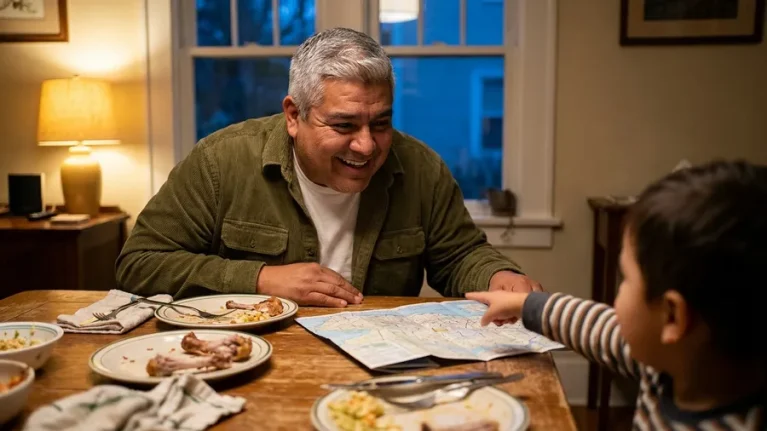
Do not only photograph birthdays and special outings. Capture the ordinary details too: their shoes beside your door, a messy breakfast table, a drawing left on the counter, or a half-finished puzzle. Those everyday details can become meaningful reminders later.
Why do some childhood memories stick while others fade away entirely?
Image credit: Sagely Chic
When I first became a grandparent, I assumed memorable visits had to be carefully planned. I thought big outings, expensive activities, and packed schedules would make our time together more meaningful.
Over time, I noticed something different. The moments that seemed small at the time were often the ones that stayed easiest to recall: a familiar game, a particular chair, the smell of something cooking, or a silly routine repeated every visit.
Childhood memories can become especially meaningful when they are connected to repetition, comfort, and strong sensory details. A large event may be exciting for a few hours, while a familiar ritual can become part of a child’s personal history.
That is why your home, your voice, your favorite snack, or the way you always shuffle a deck of cards can become more memorable than an elaborate day out.
The Core Elements of a Lasting Memory
🔄
Repetition
A familiar activity repeated often enough can become a special tradition.
🛡️
Safety
A relaxed environment where a child feels accepted gives them room to be themselves.
👃
Sensory Details
Smells, sounds, textures, and familiar objects can help make an ordinary moment distinctive.
📖
Narrative
Stories connected to family objects and experiences can give those memories a deeper meaning.
0. Letting them be completely bored in your house
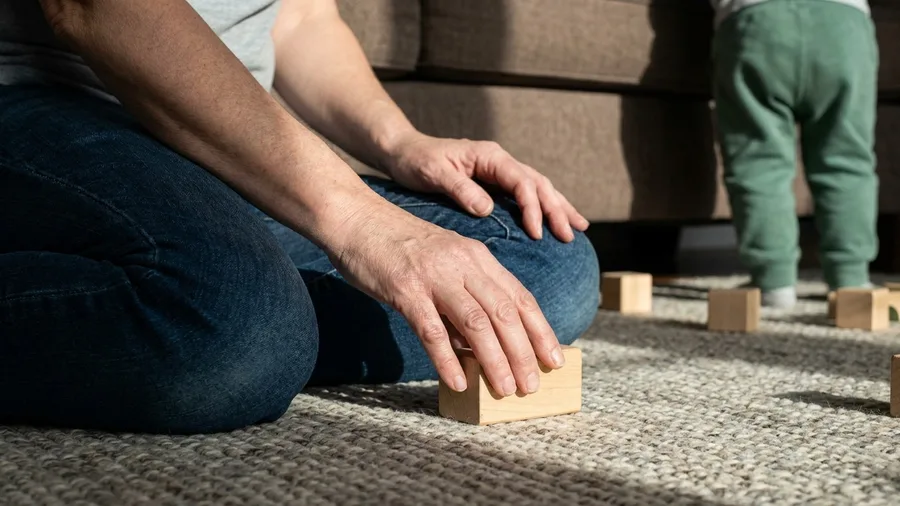
Image credit: Sagely Chic
One of the easiest things to underestimate is the value of doing absolutely nothing.
I used to feel responsible for filling every visit with an activity. There was always another outing, baking project, board game, or destination waiting. Eventually, I realized that a child does not need a full entertainment schedule every time they walk through your door.
Give them some unstructured time. Let them sit on the floor, look through a drawer, build something from random objects, draw, read, or simply complain that they are bored for a few minutes.
That initial boredom can give them the opportunity to invent their own fun. It also makes your home feel different from a place where every minute is directed by an adult.
⚠️ COMMON MISTAKE
The Entertainment Trap
Trying to compete with screens or expensive activities can accidentally teach children to expect constant entertainment. A calmer approach is to provide a welcoming space and let them decide what to do with some of their free time.
0. Breaking the household rules in a predictable way
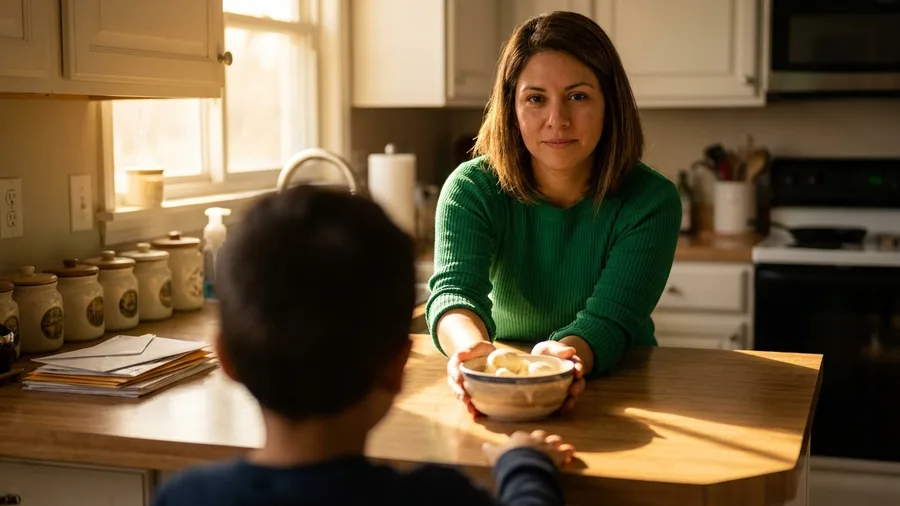
Image credit: Sagely Chic
Grandparents sometimes have a little more flexibility than parents when it comes to harmless traditions. Maybe dessert comes before dinner once in a while, bedtime stretches a little later, or Friday night includes a movie that would never make the normal household schedule.
The important part is respecting the parents’ major rules while keeping your own traditions predictable and harmless.
A small tradition can become especially meaningful when children know exactly what to expect. If every Friday at your house means staying up a little later for an old movie, that ritual can become something they anticipate long before they arrive.
You are not trying to undermine their parents. You are creating a small family tradition that belongs to your relationship with them.
Anatomy of a Perfect Rule Break
⏱️ Frequency
Occasional and consistent enough to feel like a tradition.
🛡️ Safety Level
Keep the activity harmless and age-appropriate.
🏠 Boundary
Make it a special tradition associated with your home.
The Goal
Create a small, predictable break from the normal routine without interfering with important family rules.
0. Becoming the vault for their small secrets
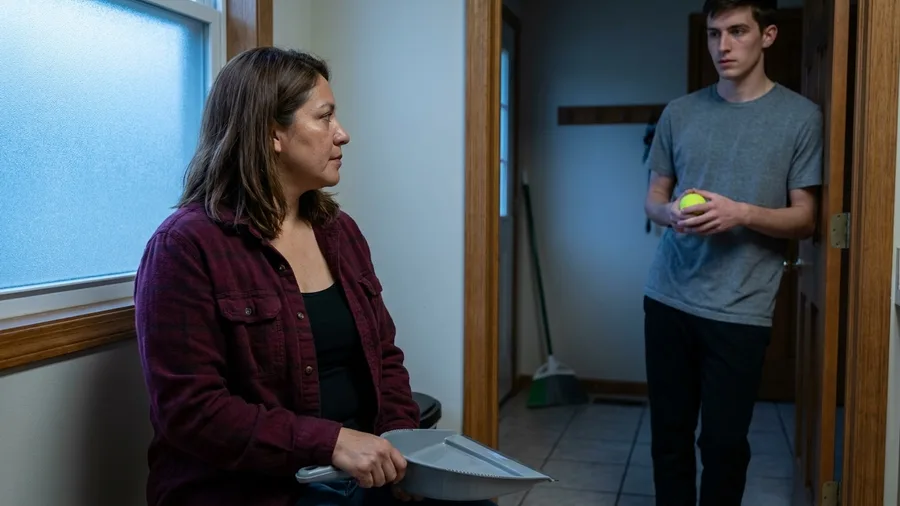
Image credit: Sagely Chic
Imagine a child accidentally breaks something in your home. They stand in the doorway looking terrified, already expecting an angry reaction.
Your first instinct may be to lecture them, call their parents immediately, or make sure they understand exactly what they did wrong. Sometimes a situation genuinely requires adult intervention, but not every small accident needs to become a major lesson.
When a child comes to you after making an ordinary mistake, listen before reacting. Help them clean it up, make sure everyone is safe, and show them that telling the truth does not automatically lead to humiliation.
That does not mean keeping serious problems, safety issues, abuse, or dangerous behavior secret from parents or other responsible adults. It means giving children a calm place to talk about ordinary mistakes and embarrassing moments.
When they trust you with something small, handle that trust carefully.
💡 Tip: Never use something harmless they privately shared with you as ammunition during a later disagreement.
Secrets to Keep in the Vault
🧹 Minor messes
💌 School crushes
😬 Embarrassing fears
🎨 Bad haircuts
0. Passing down objects that have no monetary value
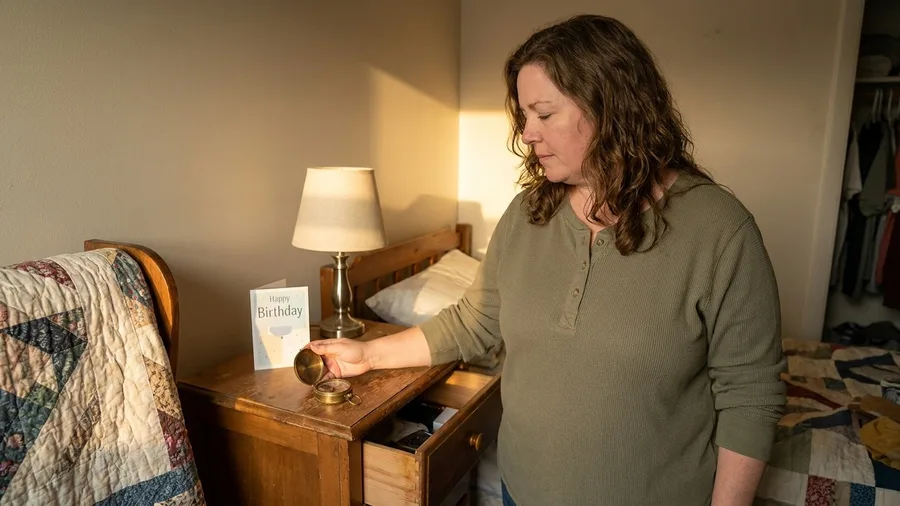
Image credit: Sagely Chic
Sometimes the most meaningful gift is something you would never find on a store shelf.
A twenty-dollar bill may be useful, and a new toy can certainly be exciting, but an old object connected to your life can carry a completely different kind of meaning.
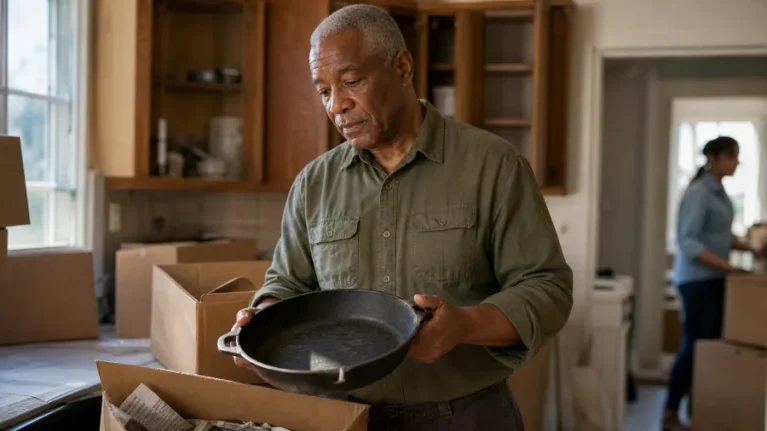
Think about the things you have owned for years: an old compass, handwritten recipe, pocket watch, sewing tool, piece of costume jewelry, or kitchen utensil that has a story behind it.
Tell your grandchild why you kept it. Explain where it came from, who used it, or what memory you associate with it. The object becomes more meaningful because the story travels with it.
The Value Gap in Gifting
🕰️
Artifacts (Keep Forever)
- Old pocket watches
- Handwritten recipes
- Worn hand tools
- Costume jewelry with a story
🛒
Commodities (Forgotten Quickly)
- Trending plastic toys
- Generic gift cards
- Expensive video games
- Cash in a standard envelope
0. Telling the unvarnished family history
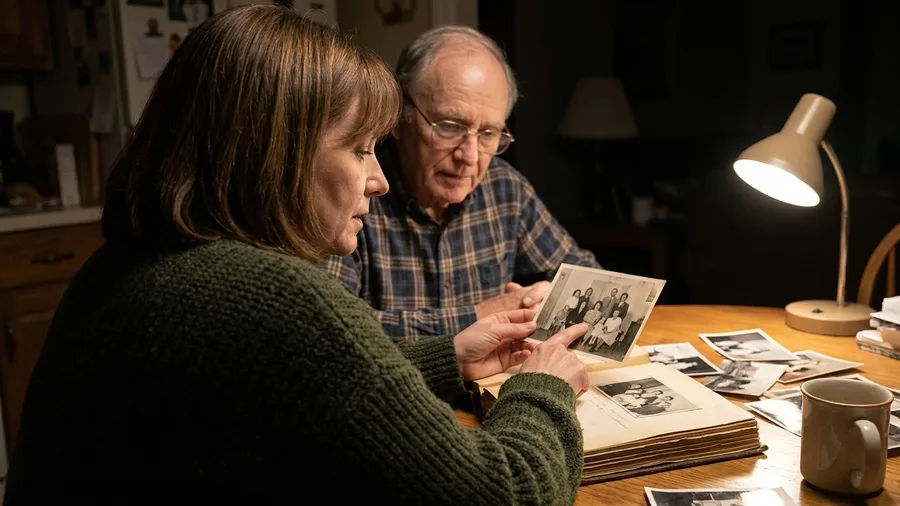
Image credit: Sagely Chic
Family stories do not have to be polished to be valuable.
If every story you tell makes your family sound flawless, children may eventually develop an unrealistic picture of what adulthood is supposed to look like. Real families make mistakes, change direction, disagree, recover, and sometimes laugh about things that went terribly wrong.
Tell them about the Thanksgiving dinner that burned, the road trip that went badly, the embarrassing haircut, or the time someone in the family made a decision they later regretted.
These stories can show children that mistakes are part of life and that one bad decision does not have to define an entire person.
Use judgment when telling stories about other family members. Avoid sharing private information that could embarrass or harm someone. The goal is honesty with compassion, not gossip.
The Role Model Myth
MYTH
Kids need to believe their family has a perfect track record to feel secure.
FACT
Hearing how adults handled mistakes can help children understand that failure and recovery are normal parts of life.
MYTH
Telling stories about parents’ mistakes will automatically undermine their authority.
FACT
When shared thoughtfully, family stories can remind children that adults are human while still deserving respect.
0. Carving out a physical space that belongs only to them
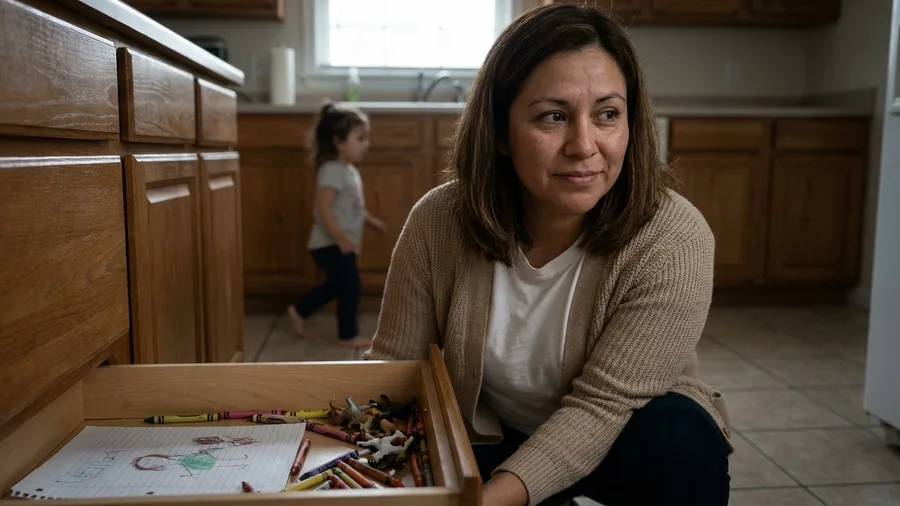
Image credit: Sagely Chic
Imagine your grandchild leaves a drawing at your house. Weeks later, they return and discover that it is still sitting exactly where they left it.
That tiny detail can communicate something powerful: there is a place for you here.
You do not need a complete playroom or a house full of new toys. A single drawer, shelf, basket, or corner can be enough. Give them somewhere to keep a few familiar things between visits.
When they can return and immediately find their belongings, your home begins to feel like a place where they have a permanent connection rather than somewhere they are simply visiting.
The Permanence Test
✓ Dedicated location
They know where their things belong without having to ask.
✓ Survives between visits
Their small projects or favorite items remain available for the next visit.
! Filled with pristine new toys
A few familiar objects can mean more than constantly replacing everything with something new.
0. Teaching them one entirely useless, analog skill
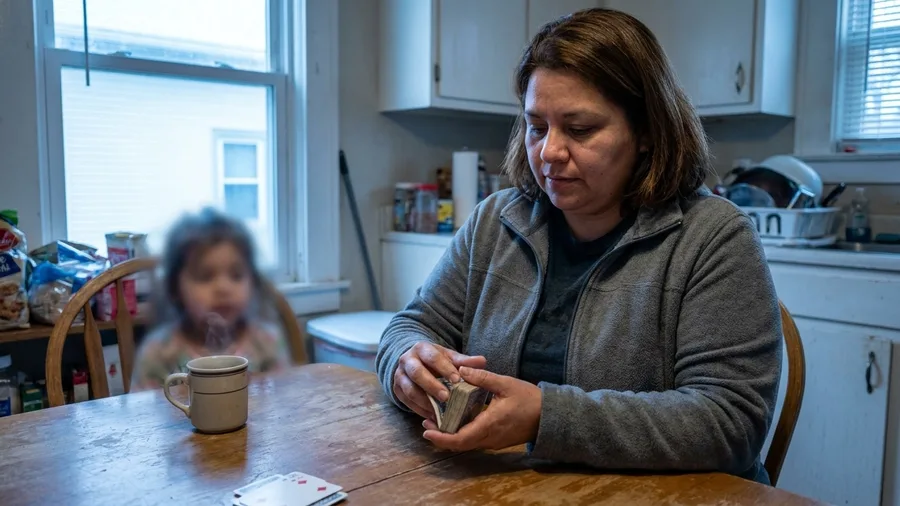
Image credit: Sagely Chic
One of the easiest ways to create a memorable grandparent moment is to teach something that has no obvious practical purpose.
Show them how to shuffle a deck of cards, skip a stone, sew on a button, fold something properly, make a simple craft, identify birds, or complete another small skill you learned years ago.
The skill itself is not the important part. It is the time spent sitting beside each other while the child struggles, tries again, asks questions, and finally gets it right.
Picture a quiet kitchen table. A few playing cards are scattered across the floor because the shuffle keeps going wrong. You demonstrate the hand position again, they try it, and eventually the cards move the way you showed them.
Those slow, hands-on moments create a different kind of connection from watching another screen together.
Years later, the child may still use that same little skill. When they do, they may remember who patiently taught them.
0. Letting them see you apologize when you mess up
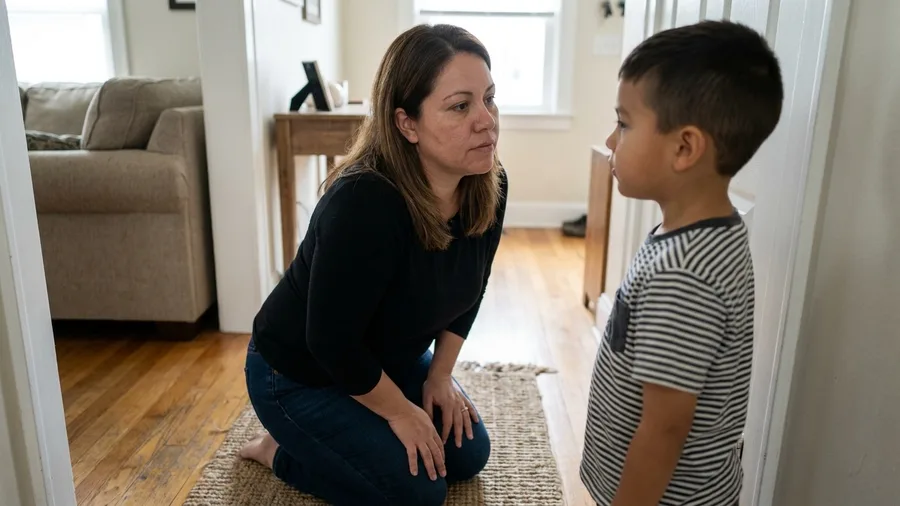
Image credit: Sagely Chic
“I was tired, I snapped at you, and that was unfair. I am sorry.”
It can be surprisingly difficult for adults to say those words, especially when they are used to being the authority figure in the family.
But children do not need grandparents who pretend to be perfect. They need adults who can demonstrate what accountability looks like in real life.
A sincere apology does not require a long explanation or a list of excuses. Acknowledge what happened, take responsibility for your part, and show that you want to handle the situation differently.
That lesson can stay with a child much longer than the original disagreement. They learn that making a mistake does not mean you have to defend it forever.
How do I figure out my own signature memory?
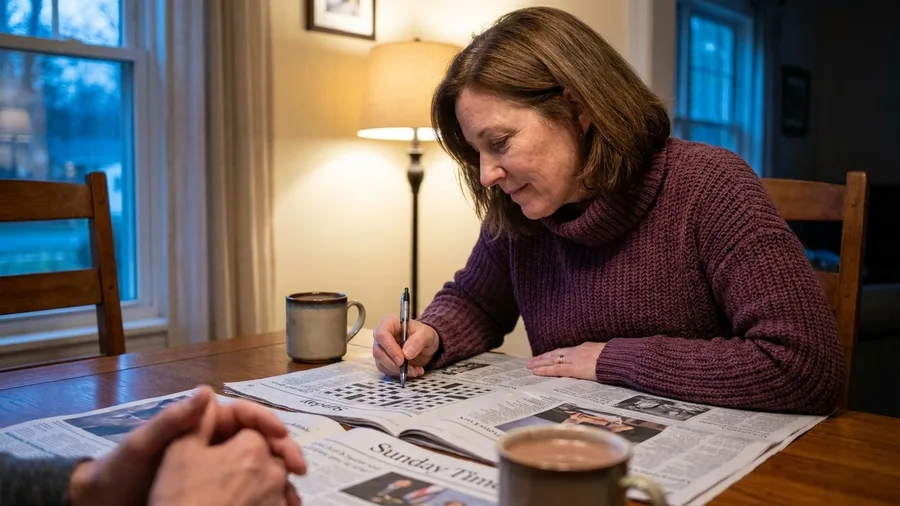
Image credit: Sagely Chic
The easiest way to create a meaningful grandparent tradition is to stop trying to perform the role of a perfect grandparent.
Children can usually sense when an adult is forcing enthusiasm. Instead, look for the overlap between something you genuinely enjoy and something your grandchild is naturally curious about.
If you love quiet Sunday mornings, invite them to sit nearby while you read. If you enjoy gardening, give them a small patch to experiment with. If you love old movies, make one particular film part of your visits.
You might say, “I am going to sit here and read for a while. You can sit beside me with your book, and afterward you can tell me what you liked.”
Authenticity is easier to repeat, and repeatable moments are often what turn ordinary visits into recognizable family memories.
Frequently Asked Questions
How do I create these memories if we live in different states?
Distance does not prevent you from creating traditions. Predictable contact can help. You might call at the same time each Sunday, read the same type of story together, play a simple game online, or ask the same opening question every week.
Keep the routine manageable. A short, dependable connection can be easier to maintain than occasional long conversations that require complicated planning.
What if my grandchild is currently a difficult, distant teenager?
Teenagers often respond better to low-pressure connection than intense conversations. Try sitting beside them while watching a movie, driving somewhere together, cooking, walking, or doing a small task without demanding constant conversation.
Give them room to talk when they are ready. Sometimes being comfortable together without filling every silence is valuable on its own.
Do I need to spend a lot of money to be a memorable grandparent?
No. Meaningful memories can come from routines, conversations, family stories, shared skills, and familiar places rather than expensive purchases.
A weekly breakfast, a particular card game, a dedicated drawer, or one silly tradition can become more recognizable than another expensive gift.
What if the parents strongly disagree with my relaxed rules?
Respect the parents’ important safety rules, values, and boundaries. A grandparent tradition should never put a child in danger or deliberately undermine the parents.
For smaller matters, talk with the parents about what they are comfortable with. The goal is to create a special relationship without creating unnecessary conflict within the family.
Why You Do Not Need To Check Every Box Today
You cannot manufacture a lasting memory by turning every visit into a carefully managed project.
If you try to introduce every idea at once, the relationship can start to feel artificial. Children usually benefit more from a calm, dependable adult presence than from an endless list of activities.
Choose one small change.
Clear a drawer for their belongings. Start a weekly card game. Teach them how to do something you learned as a child. Tell the same terrible joke every time they arrive.
Small traditions become powerful because they happen again and again.
Start Your Signature Ritual
Choose one simple skill, activity, story, or tradition that feels genuinely like you, and spend ten minutes sharing it during your next visit.
Do not worry about making the moment impressive. Give it your attention, let the child participate, and allow the tradition to grow naturally over time.