Image credit: Sagely Chic
Getting older can bring physical changes, losses, and new limitations, but those changes do not have to mean giving up on the parts of life that still matter to you.
Resilience in later life is often built through small decisions repeated consistently. A morning routine, a short walk, a phone call, or a willingness to try something unfamiliar can help keep your days connected and purposeful.
You do not need to rebuild your entire lifestyle overnight. Start with one habit that gives your day a little more structure and momentum.
🌱 GROWING TIP
Start At The Bottom
If your daily routine feels scattered, begin there before trying to change everything else. Establish a dependable wake-up routine, then gradually add movement, social contact, and activities that give your week some variety.
Recognize What Actually Causes The Decline

Image credit: Sagely Chic
It is natural for some activities to become harder with age. The important distinction is between adapting to a genuine limitation and automatically assuming that every difficult task should disappear from your life.
One useful concept is self-efficacy, or the belief that your actions can still influence parts of your daily life. When that confidence weakens, it can become tempting to hand over more and more everyday responsibilities.
For example, asking someone else to handle an occasional difficult grocery trip may be sensible. But if you gradually stop shopping, going outside, calling friends, or attempting unfamiliar activities simply because they require effort, your world can become smaller.
Resilience does not mean refusing help or pretending that aging has no physical consequences. It means staying involved where you reasonably can while adapting the things that genuinely need to change.
⏱️ Rebuild Your Daily Momentum
1
Anchor The Morning
Choose a reasonably consistent wake time that gives your mornings a predictable starting point.
2
Add One Physical Task
Try a short walk, gentle household task, or other movement that is appropriate for your current abilities.
3
Schedule A Social Touchpoint
Call a friend or family member, attend a group, or create another regular opportunity for connection.
4
Review The Baseline
Keep a simple note of what you actually accomplish each day so you can see patterns rather than relying on memory alone.
Anchor Your Physical Reality
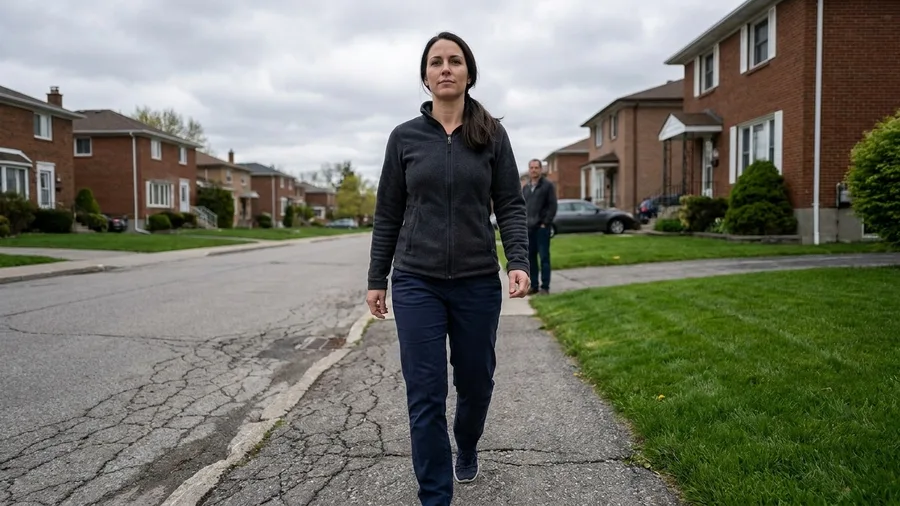
Image credit: Sagely Chic
Ask yourself a simple question: on a day with no appointments, how long does it take before you get dressed and begin moving around?
There is nothing wrong with having a quiet day. The problem can arise when quiet gradually turns into an entire week without meaningful movement, social contact, or activities outside the home.
A basic physical routine gives the day some shape. Getting dressed, walking around the neighborhood, preparing breakfast, tending to plants, or completing a household task can create useful anchors.
You can then build the emotional and social parts of your routine around that physical foundation.
1. Maintain A Rigid Morning Schedule
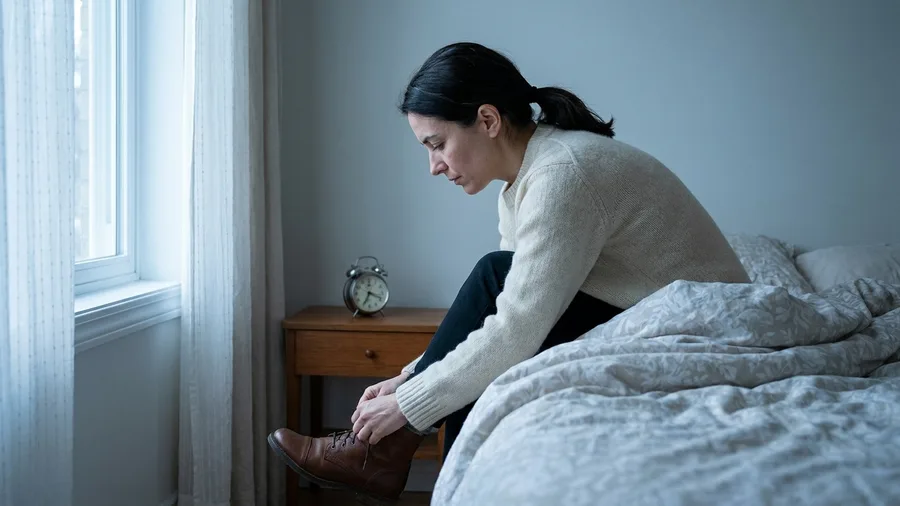
Image credit: Sagely Chic
When you no longer have somewhere you must be every morning, it is surprisingly easy for the hours to lose their shape.
You do not necessarily need a strict corporate-style schedule in retirement. But having a reasonably consistent wake time can make it easier to establish regular sleep, meals, movement, and activities.
Instead of remaining in bed until late morning with no particular plan, create a small sequence that tells you the day has begun. Get up, get dressed, open the curtains, have breakfast, and step outside for a few minutes if you are able.
The routine does not need to be impressive. It simply needs to be repeatable.
💡 Tip: If you regularly turn off your alarm and fall back asleep, place it far enough away that you need to stand up to reach it.
Morning Routine Audit
✓ Wake up at the same time
A consistent schedule can make your mornings easier to organize.
✓ Get dressed soon after waking
Changing clothes can create a clear transition from sleep to active time.
✕ Watch television in bed for hours
Long periods of passive screen time can make it harder to build momentum.
! Delay the entire morning
Leaving meals, movement, and activities until very late can make the day feel shorter and less structured.
2. Track Your Weekly Novelty

Image credit: Sagely Chic
A predictable routine can be comforting, but too much sameness can also make your world feel smaller.
Think about the last time you deliberately did something for the first time. If you cannot remember it, that may be a useful sign that your weekly routine needs a little variety.
Novelty does not require an expensive trip or a major lifestyle change. Take a different walking route, visit a new library, learn a simple phone feature, try a new recipe, or attend a community event.
The goal is not to make every week exciting. It is to keep giving yourself opportunities to explore, adapt, and remain curious.
High-Friction Novelty Targets
🗣️ Start a friendly conversation with someone new
🖐️ Try a familiar task in a different way
📦 Rearrange one part of your home
🍽️ Try a dish you have never ordered before
Stop Viewing Every Stiff Joint As The End

Image credit: Sagely Chic
Aging can bring stiffness, slower movement, and physical frustrations that were not part of your younger years.
The danger is allowing one difficult morning to become a prediction about the rest of your life.
A stiff joint is information about how your body feels today. It does not automatically tell you what you will be able to do next month or next year.
At the same time, persistent or unfamiliar symptoms should not simply be ignored. When something feels significantly different from your normal experience, seeking appropriate medical advice is sensible.
⚠️ COMMON MISTAKE
Don’t Cancel Immediately
If you wake up feeling stiff, give yourself time to assess how you feel after your normal gentle routine rather than automatically assuming the entire day’s plans must be cancelled. If pain is severe, new, or concerning, follow medical guidance instead.
3. Separate The Pain From The Story
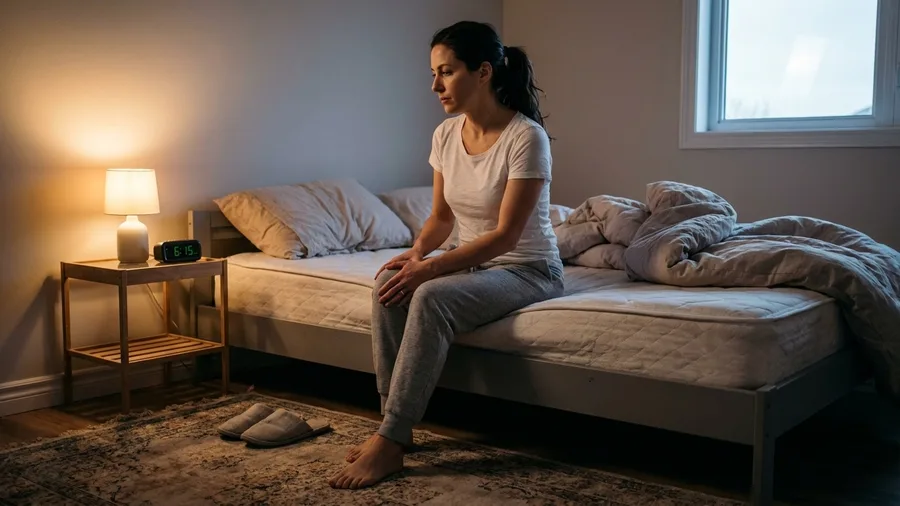
Image credit: Sagely Chic
Imagine waking up with a familiar ache in your knee. The physical sensation is real, but within seconds your mind may begin writing the rest of the story: this will get worse, I will not be able to walk tomorrow, and eventually I will have to stop doing everything I enjoy.
The sensation and the prediction are two different things.
A more useful approach is to describe what is actually happening without immediately turning it into a forecast about your future. You might say, “My knee feels stiff this morning, so I will adjust my plans and see how it responds.”
That approach does not mean ignoring pain. It means avoiding unnecessary conclusions while still respecting your body’s signals.
When symptoms are new, severe, worsening, or significantly different from your usual pattern, professional medical advice is appropriate. For familiar minor discomfort, adapting your activity rather than immediately abandoning everything may help you stay engaged.
Aging and Capability
MYTH
Pain automatically means you must stop moving completely.
FACT
For many people, appropriately chosen movement can support mobility and function, but the right level of activity depends on individual health and medical guidance.
MYTH
Asking for help means you have lost your independence.
FACT
Using help for demanding tasks can allow you to save energy for activities and relationships that matter to you.
MYTH
Strength training has no place after seventy.
FACT
Older adults can benefit from appropriately designed strength and resistance exercises, provided the activity is suitable for their health and abilities.
4. Accept Help Without Conceding Independence
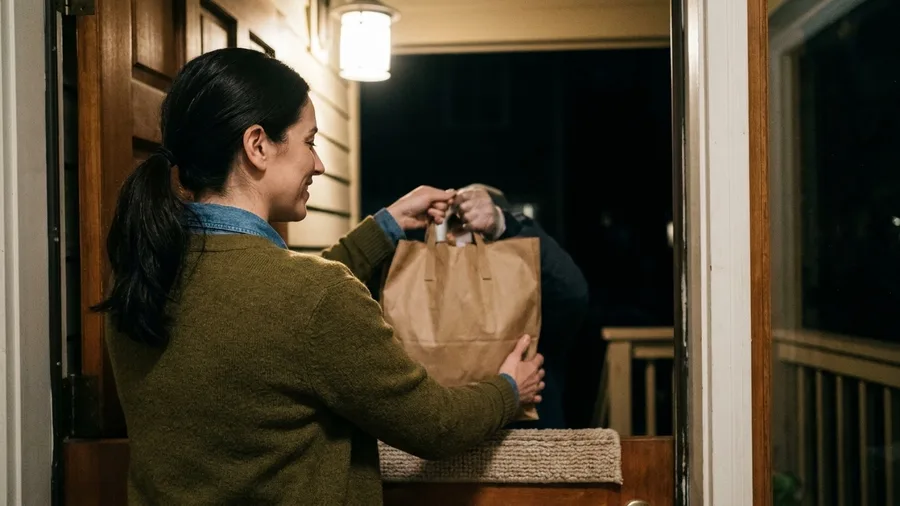
Image credit: Sagely Chic
Independence does not mean doing every difficult task alone.
Imagine spending the first part of a family visit carrying heavy bags because you do not want anyone to think you need assistance. By the time everyone sits down for dinner, you may have used most of your energy simply proving that you could do the job yourself.
Accepting help with heavy groceries, difficult household tasks, or tiring transportation does not erase your independence. Sometimes it protects the energy you need for the parts of the day you actually value.
Let someone carry the boxes if it means you can spend more time talking with them afterward.
The Energy Trade-Off
🔋 Resource
Daily Energy Limit
🛒 Heavy Task
Grocery Hauling
🗣️ High Value
Family Dinner
The Rule
Delegate demanding physical jobs when appropriate so you can preserve energy for meaningful activities and relationships.
5. Drop The Apologies For Slower Paces

Image credit: Sagely Chic
“I am sorry I am taking so long.”
Many older adults automatically say this when they walk more slowly, need extra time on stairs, or take longer at a checkout counter.
Courtesy is valuable, but there is a difference between being considerate and treating your body as an inconvenience.
Instead of repeatedly apologizing for something that is simply your current pace, try thanking people for their patience. “Thank you for waiting” communicates appreciation without suggesting that your existence is a problem.
Your pace may change over time. That does not mean you need to withdraw from activities simply because someone else moves faster.
Where Your Energy Goes
How framing can influence the way you experience a difficult interaction
Enjoying the event — High Return
Focus your attention on the people and experience around you.
Feeling guilty about your pace — Total Waste
Repeatedly criticizing yourself can take attention away from the activity you came to enjoy.
Worrying about being a burden — Exhausting
Let other people offer help when they want to, rather than assuming you already know how they feel.
Expand The Social Perimeter

Image credit: Sagely Chic
Social isolation often develops gradually. A cancelled outing here, a missed phone call there, and eventually several weeks can pass without meaningful contact outside the home.
Friends may move, retire elsewhere, become less mobile, or simply become harder to reach. That means maintaining a social life sometimes requires more deliberate effort than it did when you were younger.
Start with a low-pressure invitation. Ask someone to meet for coffee, join a walking group, attend a library event, or participate in a community activity.
You do not need to create a huge social circle. A few regular points of connection can give the week more structure and companionship.
6. Quit The Activities That Only Cause Frustration
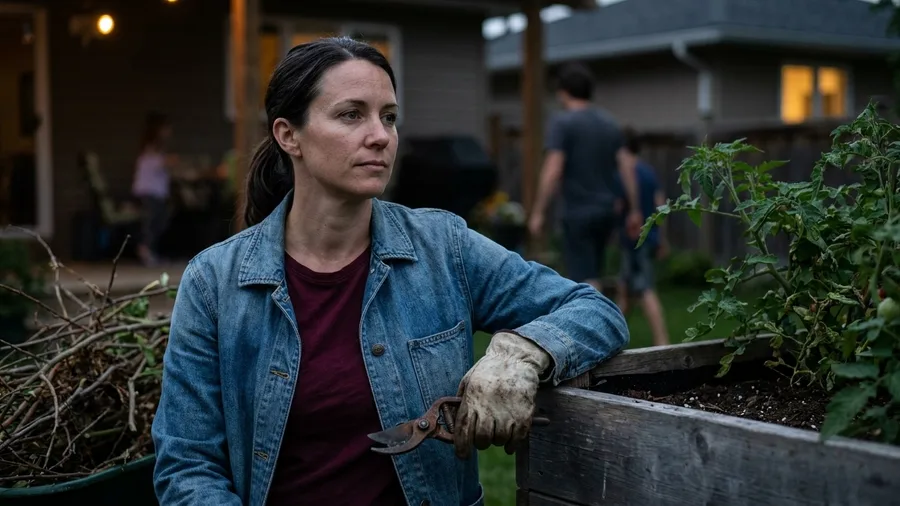
Image credit: Sagely Chic
“I used to be able to do this with one hand.”
That thought can be difficult when an activity you once loved becomes physically demanding.
There is no requirement to continue doing a hobby in exactly the same way forever. Sometimes the wiser choice is to modify it, simplify it, or replace part of it with something that fits your current abilities.
If heavy gardening has become difficult, try raised beds. If long hikes are no longer comfortable, explore shorter trails. If a craft requires too much hand strength, look for an easier variation.
Changing an activity is not the same as giving up on yourself. It can be a practical way to preserve the enjoyment while respecting your current limitations.
💡 Tip: If equipment from an old hobby is taking up space and you genuinely no longer use it, consider donating or selling it and using that space for an activity that fits your life now.
7. Initiate The Phone Calls

Image credit: Sagely Chic
It can be painful to look at a silent phone and wonder why nobody has called.
But waiting for other people to initiate every conversation can leave you feeling increasingly disconnected. Adult children, friends, and relatives may be dealing with demanding schedules of their own without realizing how much you would appreciate hearing from them.
Instead of treating an unanswered phone as evidence that people do not care, make the first call sometimes.
Choose one or two people you genuinely enjoy talking with and create a simple weekly habit. A ten-minute conversation can be enough to maintain a sense of connection.
Assess Your Current Baseline
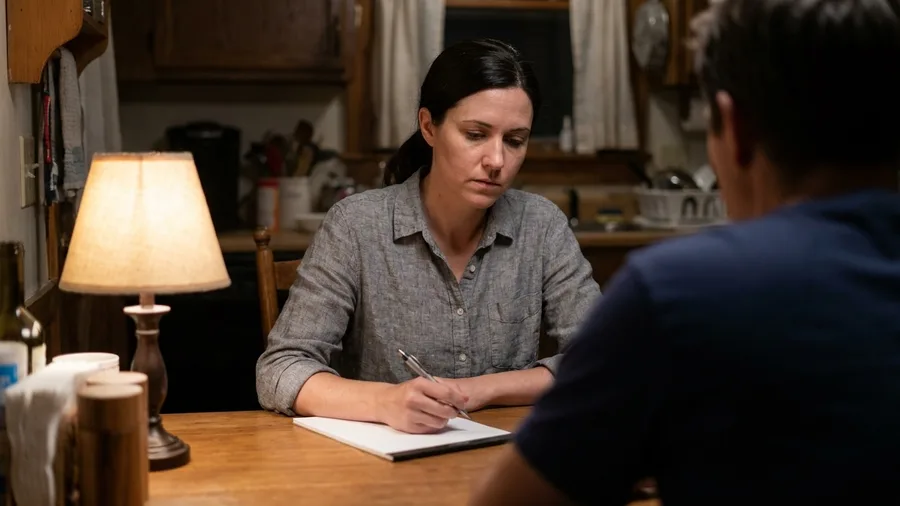
Image credit: Sagely Chic
A complete lifestyle overhaul can sound inspiring on paper and become exhausting in practice.
If you try to change your sleep schedule, exercise every day, make ten new friends, start three hobbies, and reorganize your entire home at once, the plan may become too difficult to maintain.
Begin by finding your actual baseline.
Write down how often you left the house last week. Note your usual wake-up times. Count the phone calls you initiated. Record how many days included meaningful movement or time with another person.
The numbers are not a judgment. They are simply a starting point.
Once you know where you are, choose one small behavior that would make the biggest practical difference and build from there.
Frequently Asked Questions
How do I rebuild stamina if I haven’t exercised in years?
Start gradually and choose an activity that matches your current abilities. A short walk or another gentle form of movement may be a reasonable starting point for some people, while others may need guidance from a healthcare professional or physical therapist.
Consistency matters more than trying to accomplish too much on the first day.
What if my spouse has already given up and refuses to leave the house?
You can build your own routine without requiring your spouse to participate. Take a short walk, attend a class, visit a friend, or pursue an interest independently.
At the same time, avoid treating your spouse’s choices as a personal failure. Encourage connection without forcing participation.
How do I make friends after moving to a new city at seventy?
Look for activities that meet regularly, such as library groups, community classes, walking groups, volunteer projects, gardening clubs, or hobby organizations.
Repeated contact makes it easier to become familiar with people naturally. You do not have to form a close friendship during the first meeting.
Is it normal to feel angry about sudden physical limitations?
Frustration, sadness, or anger can be understandable responses when your physical abilities change.
The useful step is to acknowledge those feelings while looking for practical adaptations. If persistent sadness, hopelessness, or loss of interest is interfering with everyday life, talking with a qualified healthcare professional can be worthwhile.
Claim Your Next Twenty Four Hours
You cannot reverse the calendar, but you can make deliberate choices about how you spend tomorrow.
Resilience does not have to look dramatic. It can be setting your alarm, getting dressed, making one phone call, taking a short walk, trying something unfamiliar, or accepting help with a task that has become unnecessarily difficult.
Choose one action instead of trying to transform everything at once.
Small habits become easier to maintain when they fit naturally into your real life. Over time, those habits can help you stay connected to your surroundings, your relationships, and the activities that still matter to you.
Run Your Baseline Check
Take five minutes to review your past week and write down one habit you want to begin tomorrow.
Keep it small enough that you can realistically repeat it. Once that habit feels established, you can decide what to add next.